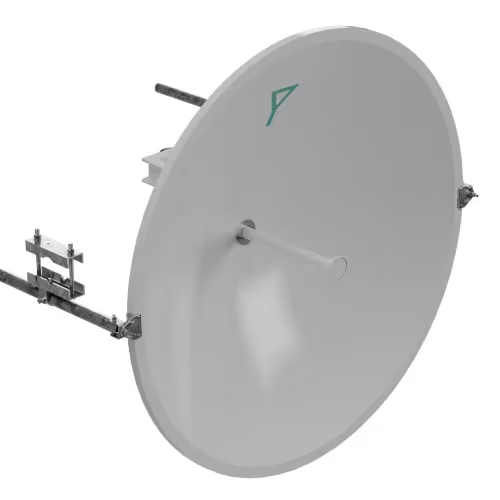
Overview
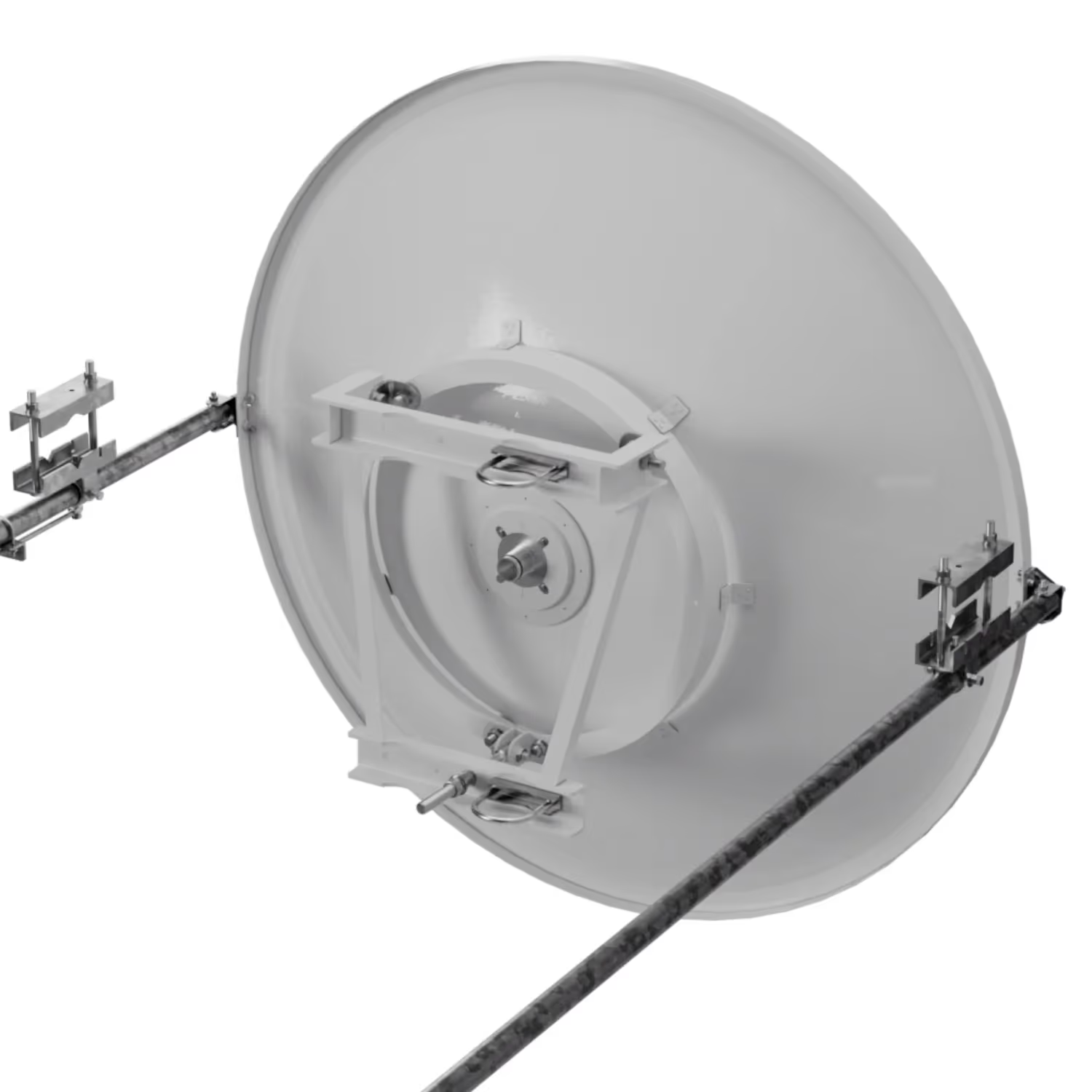
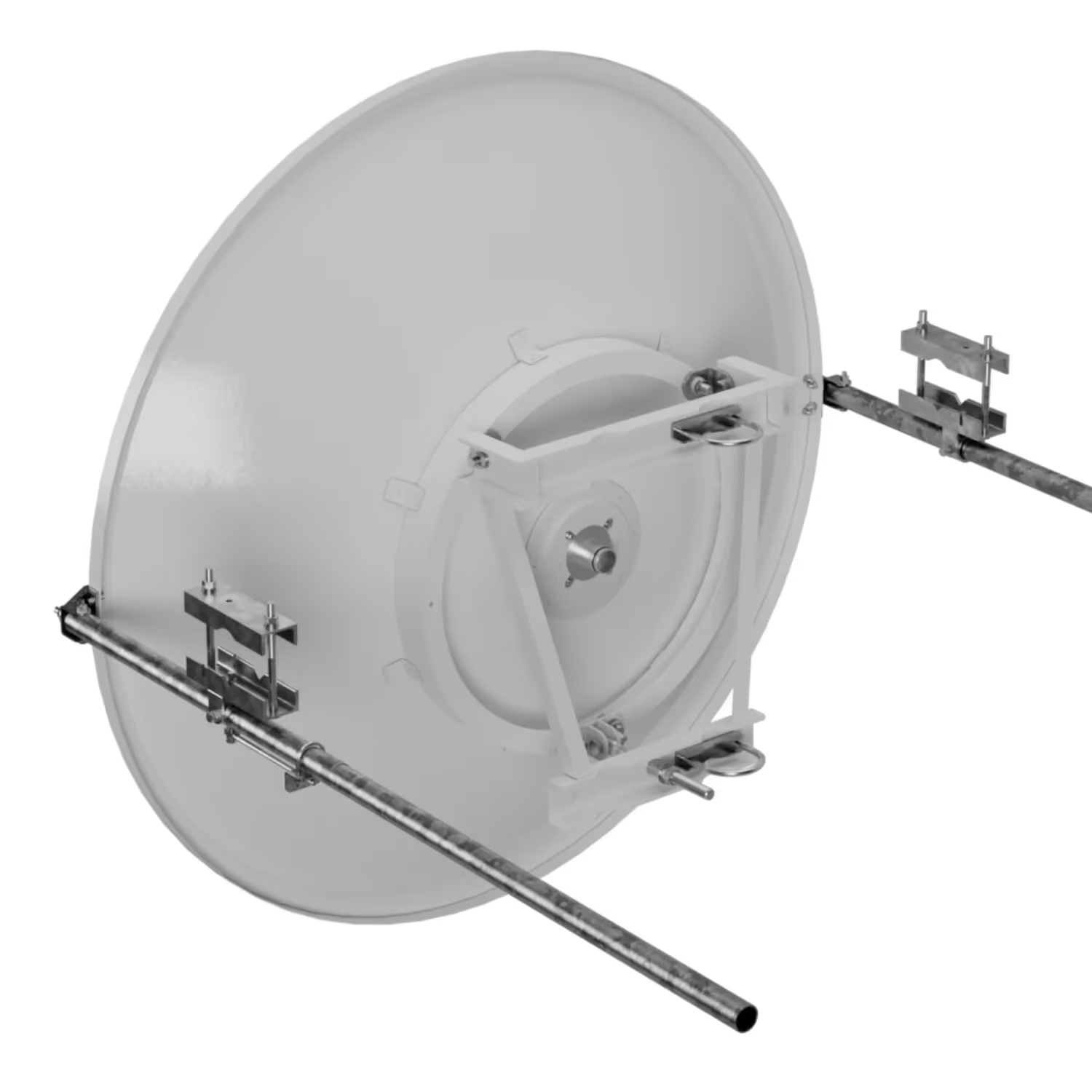
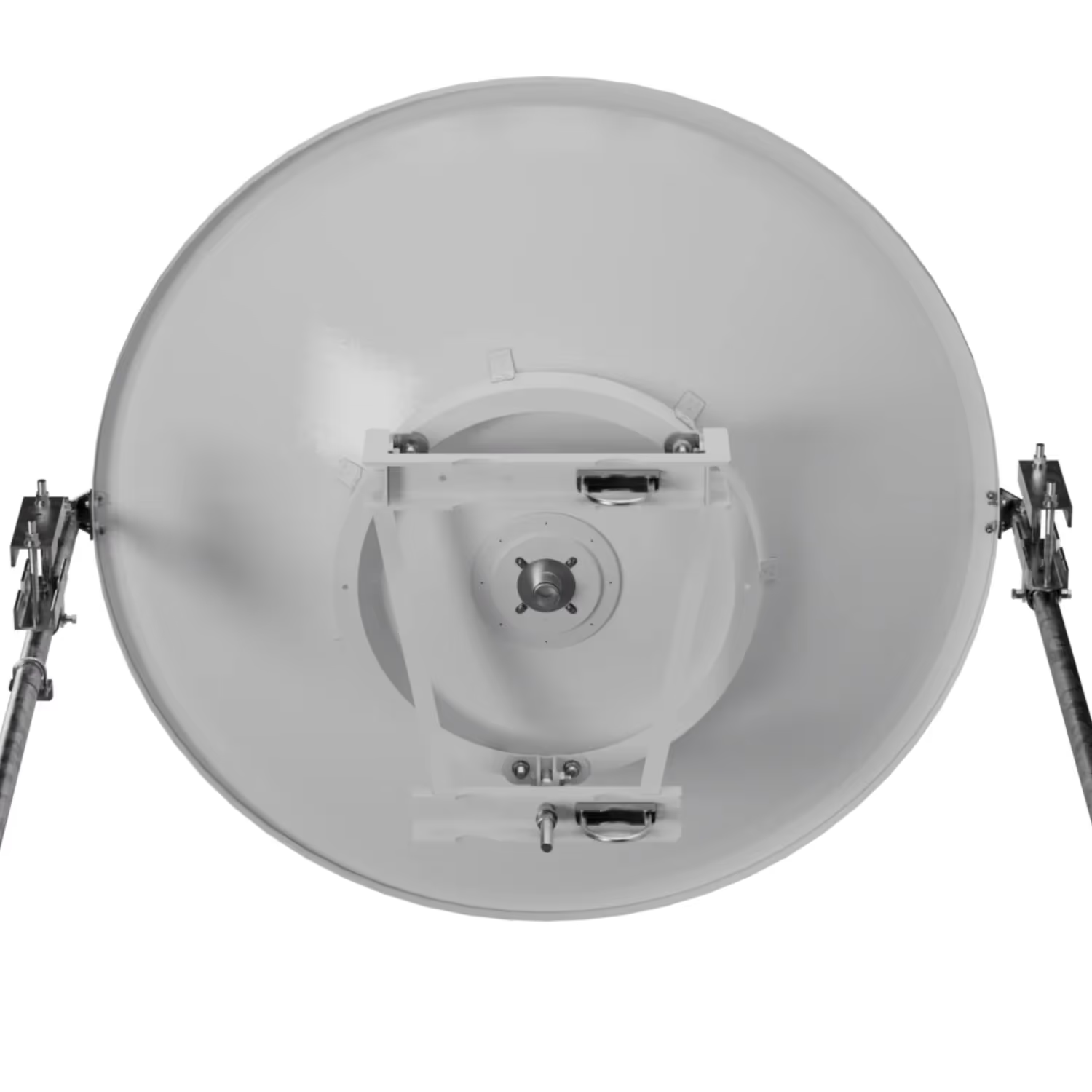
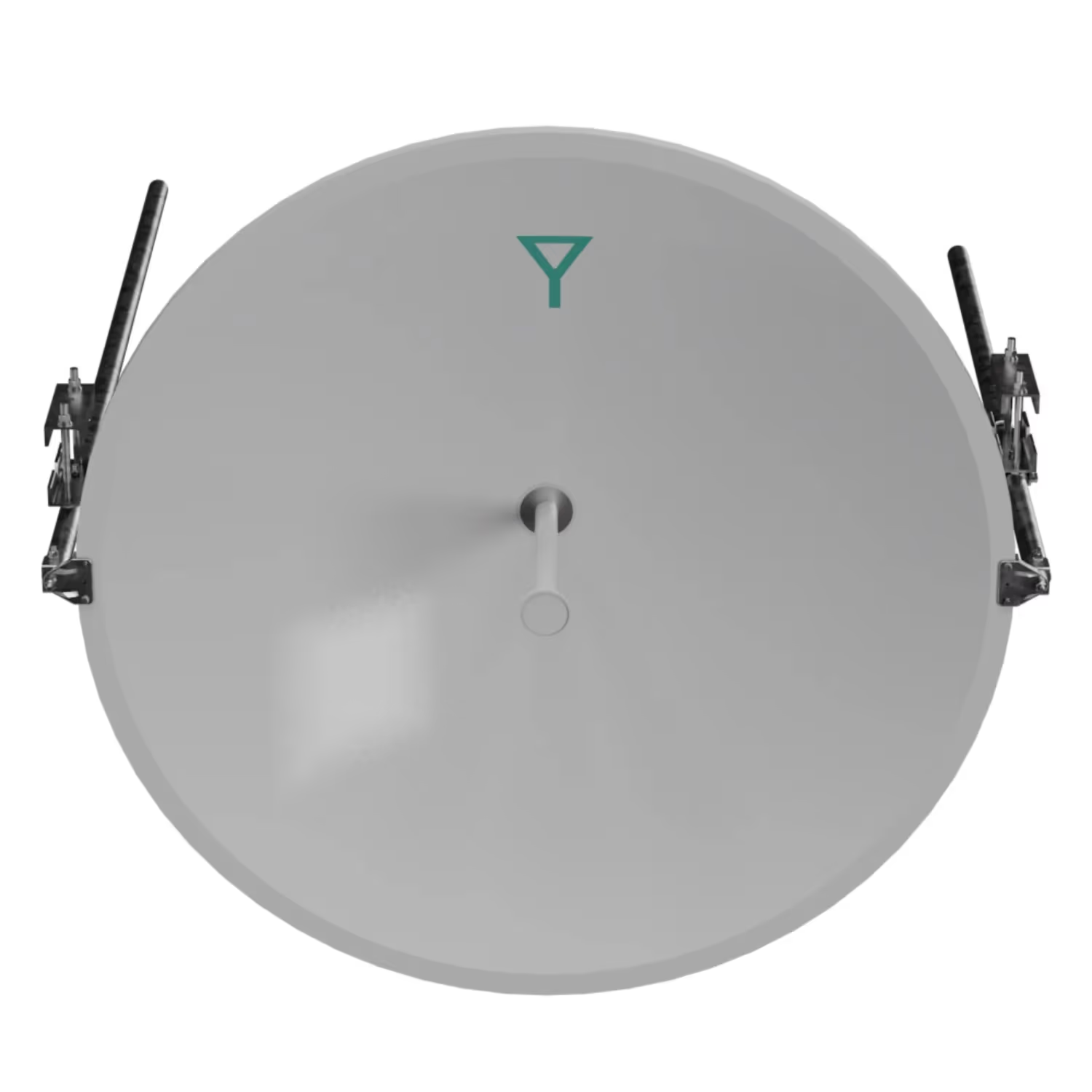
The 1.8 m RP-SMA 2-Pack contains two high-gain dish antennas in a single box for budget-friendly shipping. The RP-SMA connectors and included RP-SMA jumper cables make it easy to connect to many Ubiquiti, Cambium, and Mimosa radios, enabling long-range point-to-point microwave backhaul links of up to 40–80 km. Price includes both antennas.
40–80 km High-Gain PTP LinksThe 1.8 m RP-SMA Dish 2-Pack is a complete high-gain dish antenna solution built for long-range point-to-point (PTP) backhaul using RP-SMA connector radios from Ubiquiti, Cambium, and Mimosa and includes RP-SMA jumper cables. These antennas offer the appropriate gain for 40–80 km links and provide strong antenna performance with a narrow beamwidth to improve signal stability and throughput for rural broadband, enterprise connectivity, and other reliability-critical deployments.
Narrow Beamwidth and SNR AdvantagesEngineered to provide optimal gain for high signal quality in low-noise environments, these antennas ensure reliable link performance and consistent throughput over long distances. The narrow beamwidth minimizes noise interference, enhancing SNR and maintaining stable performance on longer paths.
Durable, Low-Maintenance PerformanceThe sturdy dish design ensures stable alignment and consistent operation even in variable weather conditions. When properly installed and periodically inspected, it provides reliable long-range point-to-point throughput for years with minimal maintenance and a lower total cost of ownership.
Direct RP-SMA Connection for Ubiquiti, Cambium, and Mimosa RadiosRP-SMA connectors attach directly to compatible Ubiquiti, Cambium, and Mimosa radios to eliminate conversion loss. This direct attachment simplifies installation, reduces connection losses, and helps maintain stronger end-to-end link performance.
Simplified InstallationThe RP-SMA interface connects directly to compatible Ubiquiti, Cambium, and Mimosa radios, making it a straightforward antenna option for RP-SMA connector deployments. Direct connection reduces unnecessary interconnects and potential points of failure, improving reliability and streamlining field deployment for WISPs and integrators.
Direct 5 and 6 GHz Radio CompatibilityUbiquiti
• Wave MLO6
• Wave MLO5
• airFiber 5XHD / AF-5XHD
• airFiber X Series: AF-5X
• LTU Rocket
• airMAX Rocket Prism 5AC
• airMAX Rocket AC Lite
Cambium
• ePMP Force 4600C
• ePMP Force 400C
• ePMP Force 300 CSM
• ePMP Force 300 CSML
• ePMP 4500L
• ePMP 3000L
Mimosa
• C5c
Radio Compatibility with RP-SMA to N Connector Jumper CableMimosa
• B5c (4.9–6.2 GHz)
Cambium Networks
• PTP 650 Connectorized (4.9–6.05 GHz)
• PTP 670 Connectorized (4.9–6.05 GHz)
• PTP 700 Connectorized (4.4–5.925 GHz)
• PTP 450b Connectorized / Radio Only (4.9–5.925 GHz)
• PTP / PMP 450v 2x2 Connectorized (5.15–7.125 GHz)
• PTP / PMP 450v 4x4 Connectorized (5.15–7.125 GHz)
LigoWave / Deliberant
• LigoPTP 5-N RapidFire (5 GHz)
• LigoPTP 6-N RapidFire (5.9–6.4 GHz)
• LigoPTP PRO 5-N (5 GHz)
• LigoDLB 5 / LigoDLB 5ac (5 GHz)
RADWIN
• RADWIN 2000 E Connectorized (4.9–7.1 GHz)
• RADWIN 2000 Alpha / Alpha PRO Connectorized (4.9–6.0 GHz)
• RADWIN 2000 D-Plus Connectorized (5 GHz)
• RADWIN 2000i (4.9–6.0 GHz)
Proxim
• Tsunami QuickBridge 10100L-EPA (4.9 / 5 GHz)
• Tsunami QB-8200 (5 GHz)
• Tsunami QB-8100 EPA (5 GHz)
EnGenius
• EOC655 (5 GHz)
• EOC655-C18 (5 GHz)
InfiNet Wireless
• Quanta 5 Connectorized (5 GHz)
• InfiLINK Evolution E5 / E6 Connectorized (4.9–6.425 GHz)
• InfiLINK 2x2 / R5000 Connectorized variants (4.9–6.4 GHz)
Ubiquiti
• Bullet M5 HP / Bullet M5 Titanium (5 GHz)
• Bullet AC / Bullet AC IP67 (5 GHz)
MikroTik
• Groove 52 / GrooveA 52 (5 GHz)
Alvarion
• BreezeNET B detached-antenna models (5 GHz)
• BreezeNET B130 / B300 connectorized (5 GHz)
Cisco
• Aironet 1400 Series Wireless Bridge (5.8 GHz)
Remote Relay SitesWith a high front-to-back ratio, the 1.8 m dish reduces unwanted signals from behind the antenna, making it ideal for remote relay sites and other low-interference locations where cleaner RF conditions are easier to achieve. It lacks a shroud and isn’t a deep-dish design, which can produce more noticeable 90° side lobes. Thoughtful placement and adequate separation from nearby antennas can help minimize interference, so it’s best suited for installations that aren’t densely collocated on crowded towers.
Lightweight and Easy to DeployEach box contains two 1.8 m dishes, making shipping more cost-efficient. The low-profile design without a shroud or radome keeps the antennas lightweight for easier handling and installation, helping simplify backhaul deployments.
Problems That the 1.8m Dish with RP-SMA Connectors SolvesLimited Range of Smaller AntennasSmaller dishes may not provide enough gain for very long wireless links. The 1.8m reflector delivers substantially higher gain, enabling reliable connectivity over extended distances and improving overall link budgets.
Insufficient Capacity on Long-Distance LinksAs wireless links become longer, maintaining high modulation rates can be challenging. The high-gain, highly directional design helps preserve signal quality, supporting higher throughput and increased network capacity.
Fiber Is Too Expensive or ImpracticalDeploying fiber to remote towers, rural communities, industrial sites, or temporary locations can be costly and time-consuming. The 1.8m dish provides a cost-effective wireless alternative for delivering high-capacity connectivity over long distances.
RF Congestion and InterferenceNetworks operating in crowded spectrum environments often suffer from reduced performance due to interference from nearby transmitters. The dish's narrow beamwidth minimizes the reception and transmission of unwanted signals, improving link stability and performance.
Unreliable Connectivity Between Critical SitesBusinesses, utilities, and service providers need dependable connections between network locations. The high-gain design improves fade margins and signal resilience, helping maintain reliable communications even under challenging conditions.
Difficult Terrain and Remote DeploymentsHills, long distances, and sparse infrastructure can make network expansion difficult. The increased gain and focused radiation pattern help operators establish links to remote locations that may be difficult to reach with lower-gain antennas.
Poor Spectrum EfficiencyBroad radiation patterns can increase the likelihood of interference and limit frequency reuse opportunities. The highly directional characteristics of the 1.8m dish concentrate RF energy where it is needed, improving spectrum efficiency and supporting cleaner network designs.
Lack of Network RedundancyOrganizations often require backup communications paths in case primary connections fail. The antenna enables high-capacity wireless backup links that can maintain service continuity during fiber outages or other infrastructure disruptions.
Typical Use CasesLong-Distance Point-to-Point (PtP) Backhaul LinksThe 1.8m Dish with RP-SMA connectors is ideal for establishing long-distance wireless backhaul links where maximum antenna gain and highly focused signal transmission are required. WISPs can use it to connect tower sites, remote relay stations, and network aggregation points over extended distances.
High-Capacity Wireless Bridge DeploymentsThe large 1.8-meter reflector provides excellent signal concentration, making it suitable for high-throughput wireless bridges using modern 5 GHz and 6 GHz radios. It helps maintain higher modulation rates and increased network capacity across long links.
Rural Broadband ExpansionWISPs serving rural and underserved communities can deploy the dish to extend network coverage to distant locations where fiber infrastructure is unavailable or cost-prohibitive. The high gain enables reliable connectivity over challenging distances.
Licensed and Unlicensed Microwave NetworksThe antenna can be used in both licensed and unlicensed spectrum deployments that require narrow beamwidth and high antenna performance. Its focused radiation pattern helps maximize link budgets and improve spectrum efficiency.
High-Interference EnvironmentsIn congested RF environments, the narrow beamwidth of a 1.8m dish minimizes reception of unwanted signals from neighboring systems. This improves signal quality, reduces interference, and enhances link reliability.
Network Redundancy and Disaster Recovery LinksService providers can use the dish to create backup wireless paths between critical network sites. The high-gain performance makes it suitable for building redundant links that maintain connectivity during fiber outages or infrastructure failures.
Enterprise and Campus InterconnectsLarge enterprises, educational institutions, industrial facilities, and utility operators can use the antenna to create high-capacity links between buildings, campuses, or remote facilities without the expense of trenching fiber.
Tower-to-Tower Transport NetworksThe dish is well suited for carrier-grade transport applications where multiple access points or distribution sites need to be interconnected with reliable, high-capacity wireless links capable of supporting substantial traffic loads.
Who Is the 1.8m Dish with RP-SMA Connectors Designed For?The 1.8m Dish with RP-SMA connectors is ideal for:
• Wireless Internet Service Providers (WISPs) building long-distance point-to-point (PtP) backhaul links
• Fixed wireless broadband operators requiring high-gain antennas for high-capacity network transport
• Network operators extending broadband coverage to rural and underserved areas where fiber is unavailable
• Service providers deploying links in high-interference environments that require narrow beamwidth and improved signal isolation
• Enterprises and campus networks interconnecting buildings and facilities with high-capacity wireless bridges
• Utilities, municipalities, and government organizations establishing reliable communications between remote sites
• Industrial and mining operations requiring robust long-range connectivity across large geographic areas
• System integrators and wireless infrastructure providers designing carrier-grade microwave and fixed wireless networks
• Organizations building network redundancy and disaster recovery links to maintain connectivity during fiber outages
• Operators using compatible RP-SMA connectorized radios in 5 GHz and 6 GHz deployments that require maximum antenna gain and long-distance performance
What Makes the 1.8m Dish with RP-SMA Connectors Different from Similar Products?Large 1.8m Reflector for Maximum GainThe large 1.8-meter reflector delivers higher gain than smaller dishes, providing exceptional link budgets for very long-distance wireless deployments and helping maintain reliable, high-capacity connections.
Optimized for RP-SMA Connectorized RadiosUnlike generic dishes that may require custom adapters or modifications, this antenna is designed for straightforward integration with compatible RP-SMA connectorized radios, simplifying deployment and reducing installation complexity.
Wideband 5 GHz and 6 GHz SupportThe antenna is engineered to support modern wideband wireless deployments across both the 5 GHz and 6 GHz frequency ranges. This allows operators to deploy a single antenna platform for current networks while preparing for future spectrum expansion.
Narrow Beamwidth for Superior Interference RejectionThe highly directional radiation pattern minimizes unwanted signal reception and transmission, improving signal quality and enabling deployments in congested RF environments where interference is a concern.
Built for Carrier-Grade Long-Distance LinksWhile many dishes are designed for general-purpose wireless applications, the 1.8m dish is intended for demanding backhaul and transport networks that require maximum performance, reliability, and long-range capability.
Supports High-Capacity Wireless NetworksThe high-gain design helps radios maintain stronger signal levels and higher modulation rates, enabling greater throughput and improved network efficiency on long-distance links.
Cost-Effective Alternative to Fiber DeploymentThe antenna allows operators to establish high-capacity wireless links across long distances without the expense and construction requirements associated with deploying fiber infrastructure.
Future-Ready Network InvestmentBy supporting modern wideband radios and long-range wireless applications, the 1.8m dish provides a scalable solution that can continue serving evolving network requirements, including high-capacity 6 GHz and next-generation wireless deployments.
Frequently Asked QuestionsWhat is the 1.8m Dish with RP-SMA Connectors designed for?The antenna is designed for long-distance point-to-point (PtP) wireless links, high-capacity backhaul networks, tower-to-tower transport connections, and other applications that require maximum antenna gain and highly directional signal transmission.
What frequency bands does the antenna support?The antenna supports wideband operation across the 5 GHz and 6 GHz frequency ranges, allowing it to be used with a variety of modern fixed wireless radios.
Why choose a 1.8m dish instead of a smaller dish?A larger reflector provides higher gain and a narrower beamwidth, which can improve link budgets, support longer distances, and reduce susceptibility to interference.
What types of deployments is this antenna best suited for?The antenna is ideal for WISP backhaul networks, rural broadband expansion, enterprise wireless bridges, utility communications, industrial networks, and disaster recovery links.
Does the antenna help reduce interference?Yes. The highly directional beam focuses RF energy where it is needed and minimizes the reception of unwanted signals from surrounding networks, improving overall link performance.
Can this antenna be used for long-distance wireless bridges?Yes. The high-gain design makes it particularly suitable for long-range wireless bridges where maintaining signal quality and high throughput is critical.
Is this antenna suitable for high-capacity networks?Yes. The high gain and focused radiation pattern help support higher modulation rates and increased network capacity on long-distance links.
Can the antenna be used as an alternative to fiber?Yes. For many applications, the antenna provides a cost-effective way to establish high-capacity connections between remote sites without the expense and time associated with deploying fiber infrastructure.
Who typically deploys this antenna?Typical users include Wireless Internet Service Providers (WISPs), fixed wireless operators, enterprises, utilities, municipalities, industrial organizations, and system integrators building carrier-grade wireless networks.
Is the antenna suitable for future network upgrades?Yes. Its wideband design allows operators to deploy the antenna with modern 5 GHz and 6 GHz radios, making it a flexible platform for current and future wireless network requirements.
Related Products
No related products found.
Related Products (Category & Subcategory)
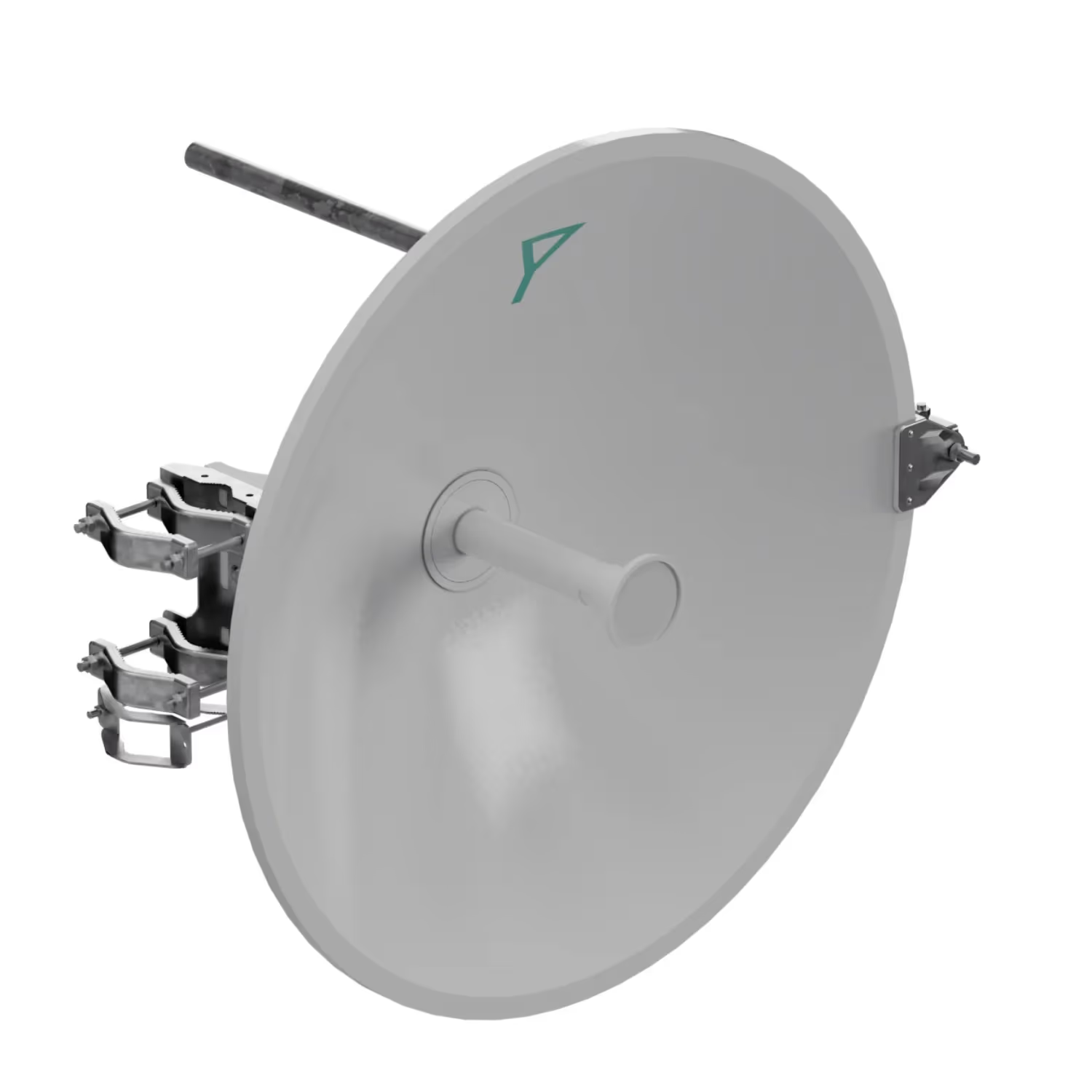
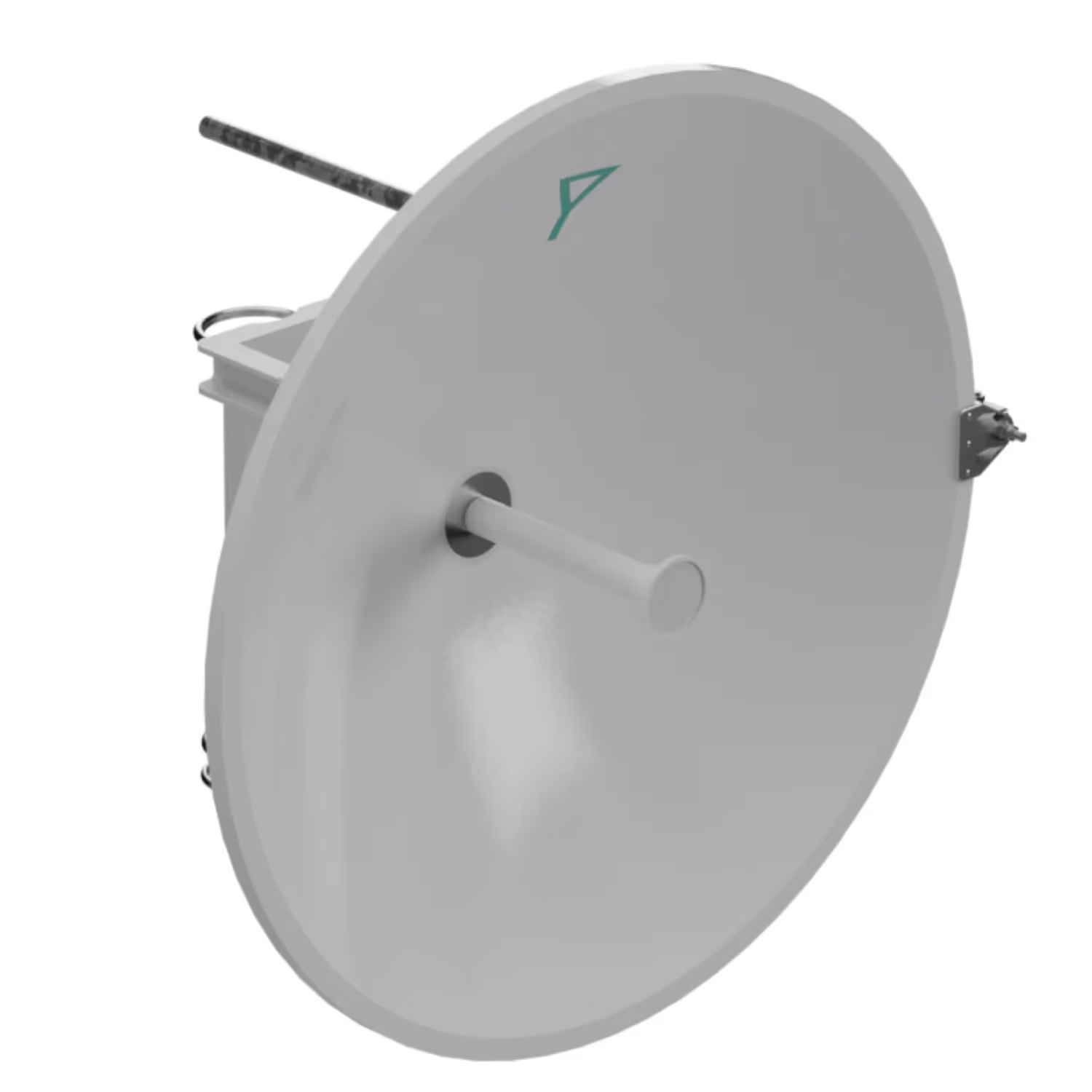













Related Products (Tags)
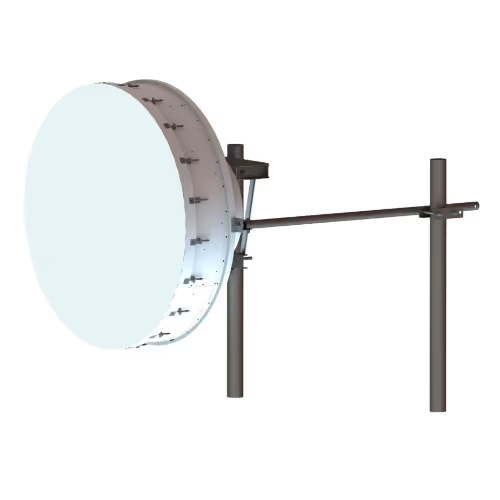
1.8 m Microwave Dish 6 GHz
6 GHz6-ft dish1.8 m dish
30° Symmetrical Horn
PTPbackhaulantenna
20° Asymmetrical Horn
antenna6 GHz5 GHz
60° Asymmetrical Horn
antenna6 GHz5 GHz
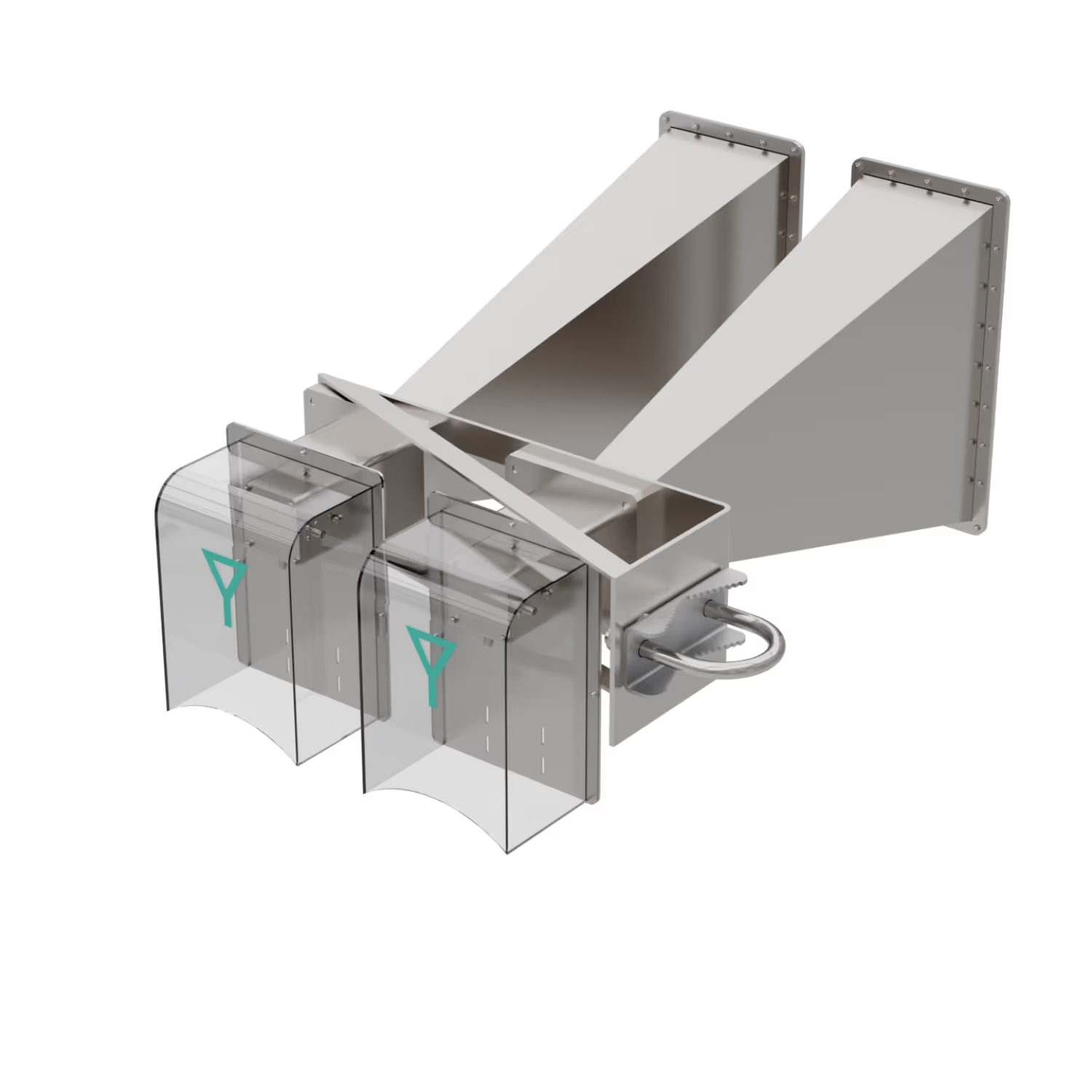
Double 20° Asymmetrical Horn 4x4
antenna6 GHz5 GHz
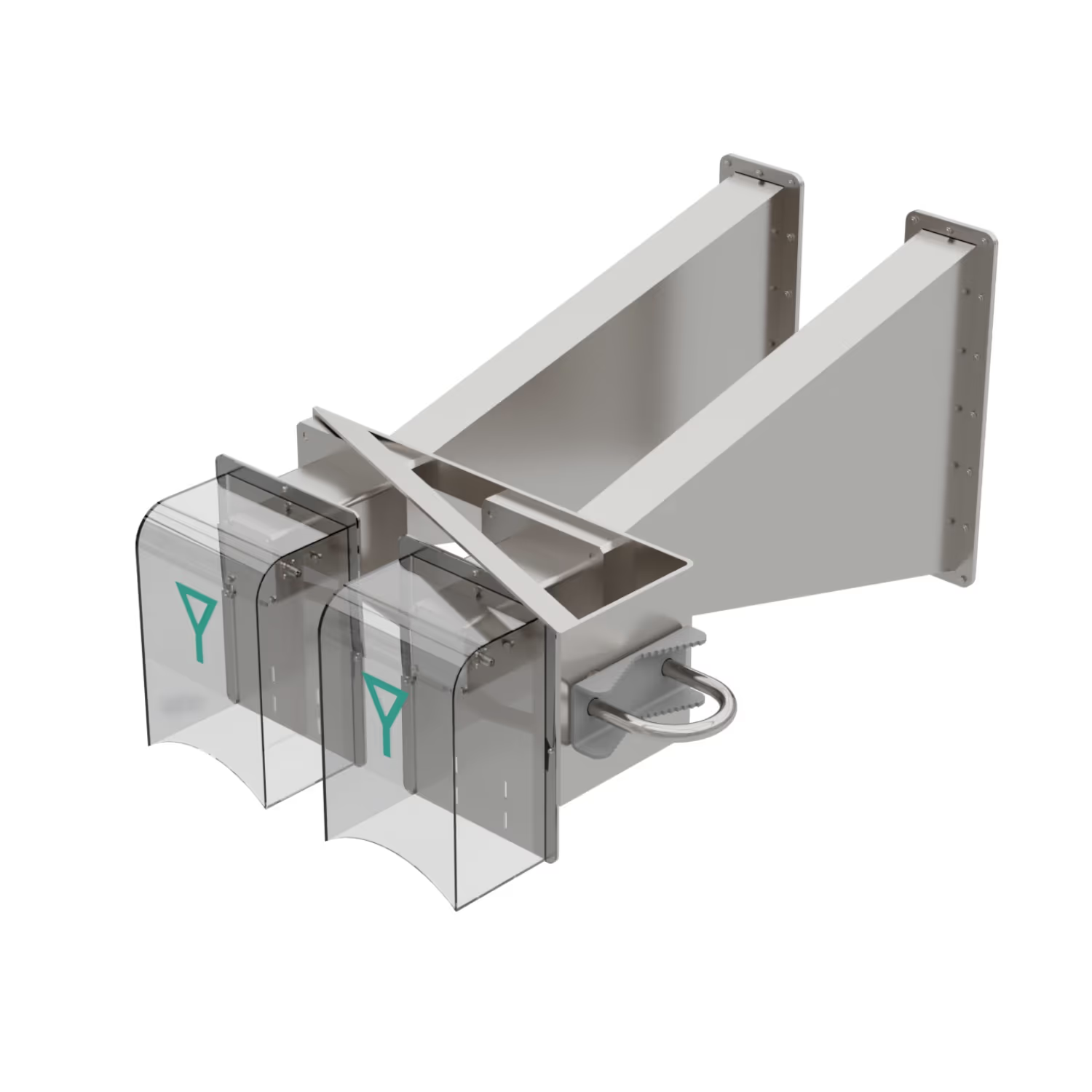
Double Asymmetrical 60° Horn 4x4
antenna6 GHz5 GHz
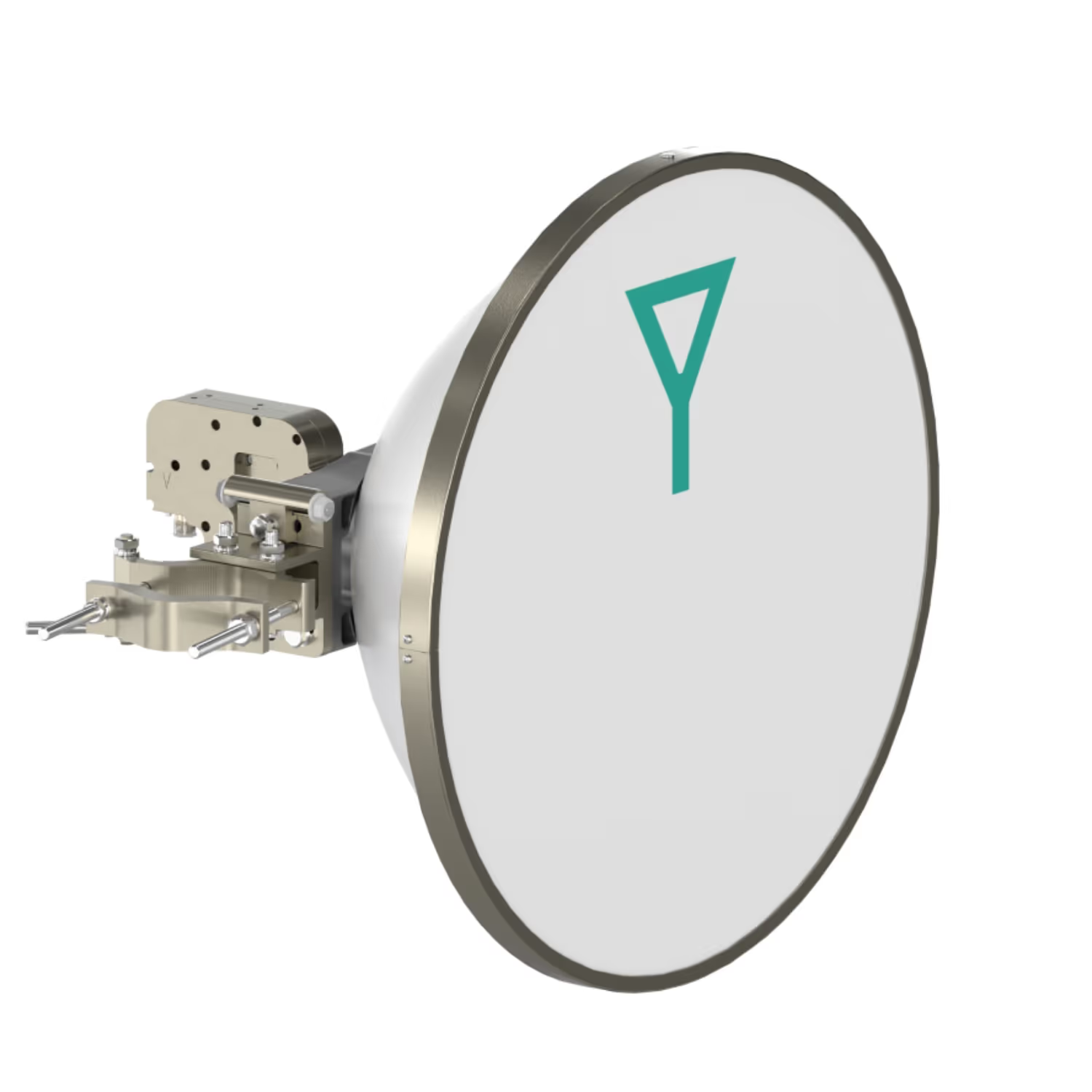
0.6m Dish High Performance
PTPbackhaulantenna
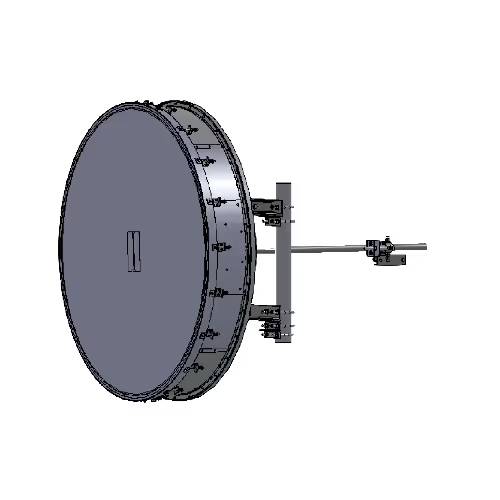
1.8m Dish High Performance
PTPbackhaulantenna
Reviews
Loading…
1.8m Dish RP-SMA 2-pack
Model Number: 18M-DISH-RPSMA-2PK
Designed for budget-friendly shipping and seamless direct connection to 2x2 RP-SMA radios for links up to 40–80 km. Both antennas are included in the price.
Features
- Size: 1.8m (6-ft) (183 cm) (72 in)
- Max gain: 39.4 dBi
- Half Power (-3 dB) Beam Width: 3.1-2.7°
- Cross-pol Discrimination XPD: 30 dB
- Direct connection to Ubiquiti Wave MLO6, Wave MLO5, AF5XHD radios
- Direct connection to Cambium ePMP Force 4600c and Force 400c radios
- Direct connection to Mimosa C5c and B5c with RP-SMA to N connector jumper cable
- Ships in wooden crate pallet containing two dish antennas
Shipping Specifications
- •Dimensions (L×W×H): 1920×2020×700
- •Weight: 150.00kg
Warehouse availability
Shenzhen
In stock
2 available
Winncom CDMX
In stock
2 available
Los Angeles
In stock
2 available