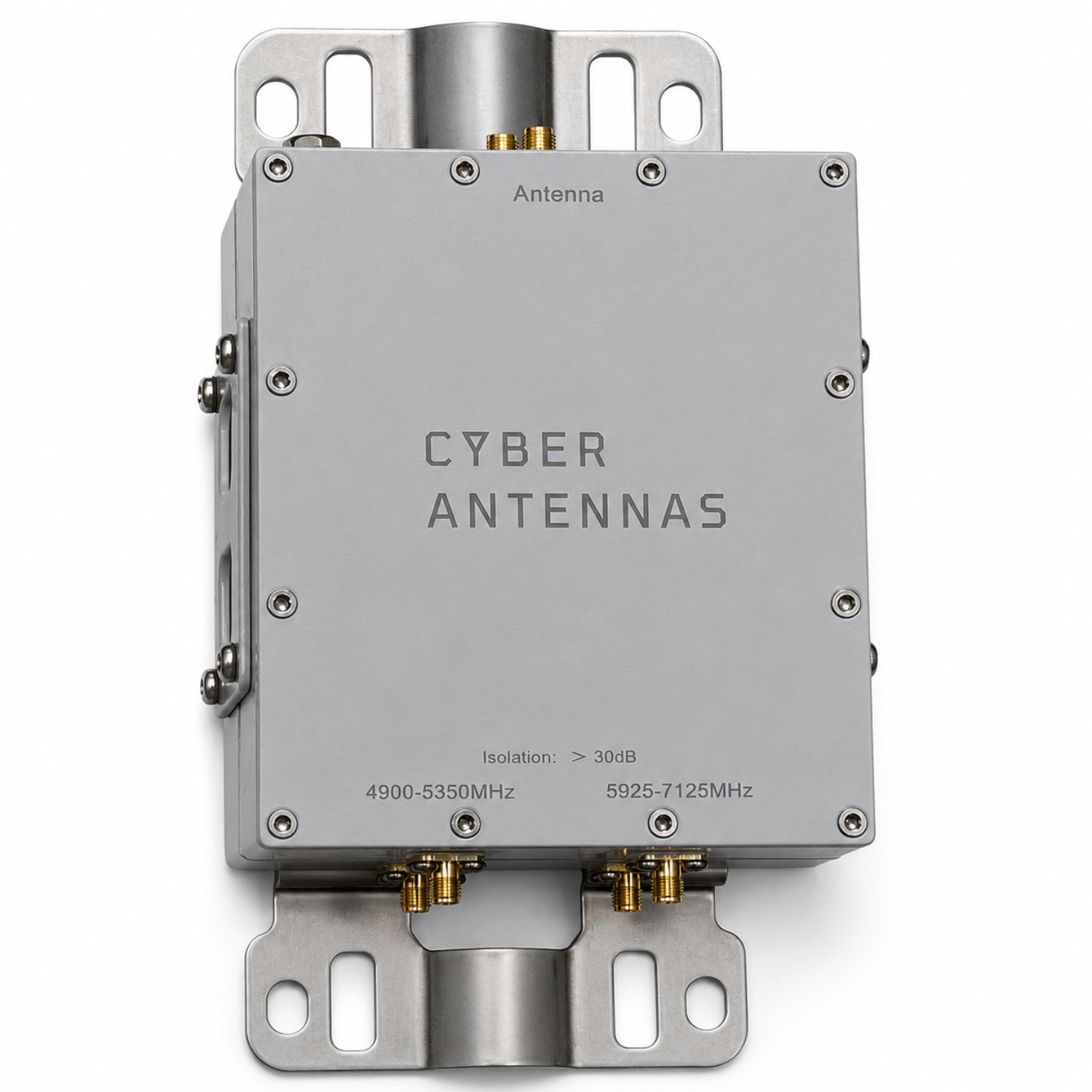
وصف المنتج:
The Diplexer is a passive RF solution that allows separate 5 GHz and 6 GHz radios to share a single compatible wideband antenna, helping increase network capacity while reducing antenna count, tower space, wind load, installation complexity, and infrastructure costs. It is designed for WISP, PtP backhaul, and PtMP applications, with less than 0.6 dB insertion loss and approximately 30 dB of isolation between frequency bands to help maintain strong RF performance. Because transmit signals from radios sharing the same antenna can be much stronger than received signals, GPS synchronization is recommended to coordinate transmit and receive timing and further reduce the potential for radio-to-radio interference, while the Diplexer provides 30 dB of isolation for received signals.
Diplexer
Use 5 and 6 GHz radios on the same wideband antenna.
المميزات
- •Two radios on the same antenna
- •Use one high-gain antenna rather than two low-gain antennas
- •Save money on antennas
- •Lower maintenance cost
- •Easier deployments
- •Reduce wind load and space on towers
- •Insertion loss: <0.6 dB
- •Isolate received signals by 30 dB
المواصفات
- •الأبعاد (الطول×العرض×الارتفاع): 285×110×95
- •الوزن: 1.15kg
تنزيل
Increase CapacityDiplexers expand antenna capacity by allowing 5 GHz and 6 GHz links to operate through the same large, high-gain antenna. This increases connection speeds and network capacity without requiring additional antennas.
PTP Backhaul
For point-to-point backhaul, the Diplexer allows 5 GHz and 6 GHz PTP radios to share the same high-gain antenna. This increases backhaul capacity and supports faster links without adding more antennas.
PtMP Sectors and Horns
The Diplexer also provides greater flexibility when upgrading PtMP networks. Installers can transition customers gradually by replacing CPE during scheduled visits rather than upgrading the entire network at once. WISPs can also upgrade subscribers as they choose higher-performance service, creating a more economical and customer-driven migration path.
Reduce Tower Space, Wind Load, and Rental CostsBy allowing multiple radios to share a single antenna, the Diplexer reduces the amount of equipment installed on a tower. Because tower space is often limited and costly, a smaller equipment footprint can help WISPs lower rental expenses or free up valuable space for future network expansion.
PTP BackhaulThe Diplexer increases backhaul capacity by enabling simultaneous 5 GHz and 6 GHz PTP links through the same large, high-gain antenna. Operators can deliver higher-capacity backhaul connections without installing additional antennas.
Greater Backhaul Capacity
Increasing backhaul capacity strengthens the backbone of the wireless network and directly supports faster, more reliable internet service. The Diplexer makes it possible to expand backhaul performance without the cost and complexity of adding additional antenna infrastructure.
One High-Gain Antenna, Multiple Links
Combining multiple PTP links on a single high-gain antenna helps operators get more value from their existing infrastructure. Fewer antennas reduce equipment purchases, tower rental requirements, and initial deployment costs.
Long-term maintenance can also be simplified because there are fewer components to inspect, align, repair, or replace. The result is a more efficient and cost-effective approach to expanding network capacity.
Designed to Address Common WISP ChallengesLimited Tower Space
Installing separate antennas for 5 GHz and 6 GHz radios takes up valuable tower space. The Diplexer allows both radios to share one compatible wideband antenna, reducing the equipment footprint and preserving tower space for future expansion.
High Tower Wind Load
Additional antennas increase wind loading and place more stress on towers, mounts, and supporting structures. By allowing two radios to operate through a single antenna, the Diplexer reduces antenna count and helps lower overall wind load.
Limited Backhaul and Sector Capacity
As subscriber demand increases, WISPs often need additional capacity without completely rebuilding existing infrastructure. The Diplexer enables simultaneous 5 GHz and 6 GHz operation through the same high-gain antenna, increasing available network capacity without requiring additional antennas.
High Infrastructure Costs
Every additional antenna can increase hardware costs, installation labor, tower leasing expenses, and ongoing maintenance. Sharing one antenna between 5 GHz and 6 GHz radios helps reduce both upfront capital expenses and long-term operating costs.
Complex 5 GHz-to-6 GHz Migration
Many WISPs want to introduce 6 GHz services while continuing to support their existing 5 GHz networks. The Diplexer allows both bands to operate through the same antenna, making it possible to migrate customers gradually without immediately replacing antennas or making major tower modifications.
Maintaining Performance with Multiple Radios
Combining multiple radios on a shared antenna can introduce signal loss and interaction between frequency bands. The Diplexer provides less than 0.6 dB insertion loss and approximately 30 dB of isolation between bands, helping maintain strong RF performance.
The Diplexer will isolate received signals by 30 dB. However, when multiple radios share the same antenna, GPS synchronization is recommended to coordinate transmission timing and provide additional protection from transmit signals generated by the radios sharing the antenna. This is especially important in high-power or high-density deployments where simultaneous transmissions could otherwise increase interference.
Typical Use CasesDual-Band 5 GHz and 6 GHz Deployments
Connect separate 5 GHz and 6 GHz radios to one compatible wideband antenna to create a dual-band network that makes better use of available spectrum and increases overall capacity.
Network Upgrades and 6 GHz Migration
Add 6 GHz equipment to an existing 5 GHz network without installing additional antennas. This makes it easier to increase capacity while minimizing tower modifications.
Point-to-Multipoint (PtMP) Access Points
Operate both 5 GHz and 6 GHz access-point radios on the same tower sector through a single compatible antenna, reducing equipment requirements and simplifying installation. GPS synchronization is recommended when radios sharing the antenna support synchronized operation.
Point-to-Point (PtP) Backhaul Links
Combine 5 GHz and 6 GHz backhaul radios into one shared antenna system to support higher-capacity links while reducing tower space requirements and wind loading.
Tower Space Optimization
For sites where tower space is limited or expensive, the Diplexer allows multiple radios to share one antenna, reducing the total number of antennas required.
Wind Load Reduction Projects
Reducing the need for additional antennas helps lower wind loading on towers and poles, which can simplify structural requirements and potentially reduce installation costs.
High-Density Wireless Networks
In crowded RF environments, operators can use both the 5 GHz and 6 GHz bands through a shared antenna system to increase network capacity and gain greater flexibility when planning frequencies. For installations where multiple radios are transmitting through the same antenna, GPS synchronization is recommended to coordinate transmit timing and minimize radio-to-radio interference.
Who Is the Diplexer Designed For?The Diplexer is well suited for:
Wireless Internet Service Providers (WISPs)
Point-to-Point (PtP) Backhaul Operators
High-Density PtMP Network Operators
WISPs Migrating to 6 GHz
Tower Companies
Wireless System Integrators
Network Infrastructure Providers
Rural Broadband Providers
Enterprise Wireless Network Operators
Managed Network Service Providers
What Sets the Diplexer Apart from Other Industry SolutionsUnlike conventional RF combiners and general-purpose diplexers, the Diplexer is designed specifically for WISP networks that need to operate separate 5 GHz and 6 GHz radios through a single wideband antenna.
Many diplexers are designed for laboratory, cellular, or lower-channel-count applications. The Diplexer combines low insertion loss, strong band isolation, and support for multiple RF paths in a solution developed for modern wireless broadband deployments.
Purpose-Built for WISP Networks
While many diplexers serve general RF, cellular, or laboratory applications, the Diplexer is designed specifically for WISPs using separate 5 GHz and 6 GHz radios with one compatible wideband antenna. Its architecture helps simplify installations and improve the utilization of antenna and tower infrastructure.
Multi-Channel MIMO Support
The Diplexer supports multi-channel MIMO configurations, making it suitable for high-capacity backhaul and advanced PtMP networks that rely on multiple RF chains and higher throughput.
Very Low Insertion Loss
Adding RF components to a signal path naturally introduces some loss. With less than 0.6 dB insertion loss, the Diplexer minimizes the performance impact of antenna sharing and helps preserve link budgets and radio sensitivity.
30 dB Isolation Between Frequency Bands
Effective diplexers must keep different frequency bands isolated from one another. The Diplexer provides approximately 30 dB of isolation, helping separate received 5 GHz and 6 GHz signals while allowing both systems to operate through the same antenna.
The Diplexer will isolate received signals by 30 dB. Because transmit signals can be significantly stronger than received signals, GPS synchronization is recommended for radios sharing the same antenna. Synchronizing radio transmission timing helps prevent one radio's transmission from interfering with another radio's receive period and provides an additional layer of RF coordination beyond the isolation provided by the Diplexer.
Shared-Antenna Deployment
Without a Diplexer, operators may need separate antennas for their 5 GHz and 6 GHz networks. The Diplexer allows both radios to share one high-gain wideband antenna, helping reduce tower space usage, wind loading, installation complexity, and maintenance requirements.
Gradual Migration to 6 GHz
As WISPs expand into the 6 GHz band, existing 5 GHz infrastructure can remain operational. The Diplexer enables both bands to coexist on the same antenna platform, allowing operators to introduce 6 GHz services gradually without immediately replacing existing antennas or significantly expanding tower infrastructure.
Frequently Asked QuestionsWhat is a Diplexer?
A Diplexer is a passive RF device that combines or separates signals operating in different frequency bands, allowing multiple radios to share compatible antenna infrastructure.
What applications is this Diplexer designed for?
The Diplexer is designed for applications including WISP networks, PtP backhaul, PtMP access networks, enterprise wireless networks, outdoor wireless systems, testing environments, and custom antenna solutions.
Can I use one antenna for both 5 GHz and 6 GHz signals?
Yes. When paired with a compatible wideband antenna that supports both frequency ranges, the Diplexer allows separate 5 GHz and 6 GHz radios to share the same antenna system.
Does the Diplexer require power?
No. The Diplexer is a passive RF device and does not require an external power source.
How much isolation does the Diplexer provide?
The Diplexer provides approximately 30 dB of isolation between the frequency bands. This helps isolate received signals from the radios sharing the antenna.
Do I need GPS synchronization when using the Diplexer?
GPS synchronization is recommended when multiple radios share the same antenna. The Diplexer provides 30 dB of isolation for received signals, but transmit signals are much stronger. GPS synchronization coordinates the transmit and receive timing of compatible radios, helping prevent one radio from transmitting while another radio is trying to receive and reducing the potential for radio-to-radio interference.
Will the Diplexer affect wireless performance?
The Diplexer is designed with very low insertion loss and approximately 30 dB of isolation to minimize its impact on signal quality and system performance. For shared-antenna deployments, proper frequency planning and GPS synchronization are recommended to achieve the best overall system performance.
What are the benefits of using a Diplexer?
Key benefits include:
Fewer antennas
Increased network capacity
Reduced tower space requirements
Lower wind loading
Simplified cabling
Greater installation flexibility
Easier migration from 5 GHz to 6 GHz
Support for shared-antenna deployments
Lower infrastructure costs
Approximately 30 dB of receive-signal isolation
What frequency bands does it support?
The Diplexer is designed to separate and combine compatible 5 GHz and 6 GHz RF signals, allowing radios operating in both frequency ranges to share a compatible wideband antenna system.
منتجات ذات صلة
لا توجد منتجات ذات صلة.
Related Products (Category & Subcategory)
علامات ذات صلة

اضغط على علامة لرؤية المنتجات المرتبطة
Related Products (Tags)
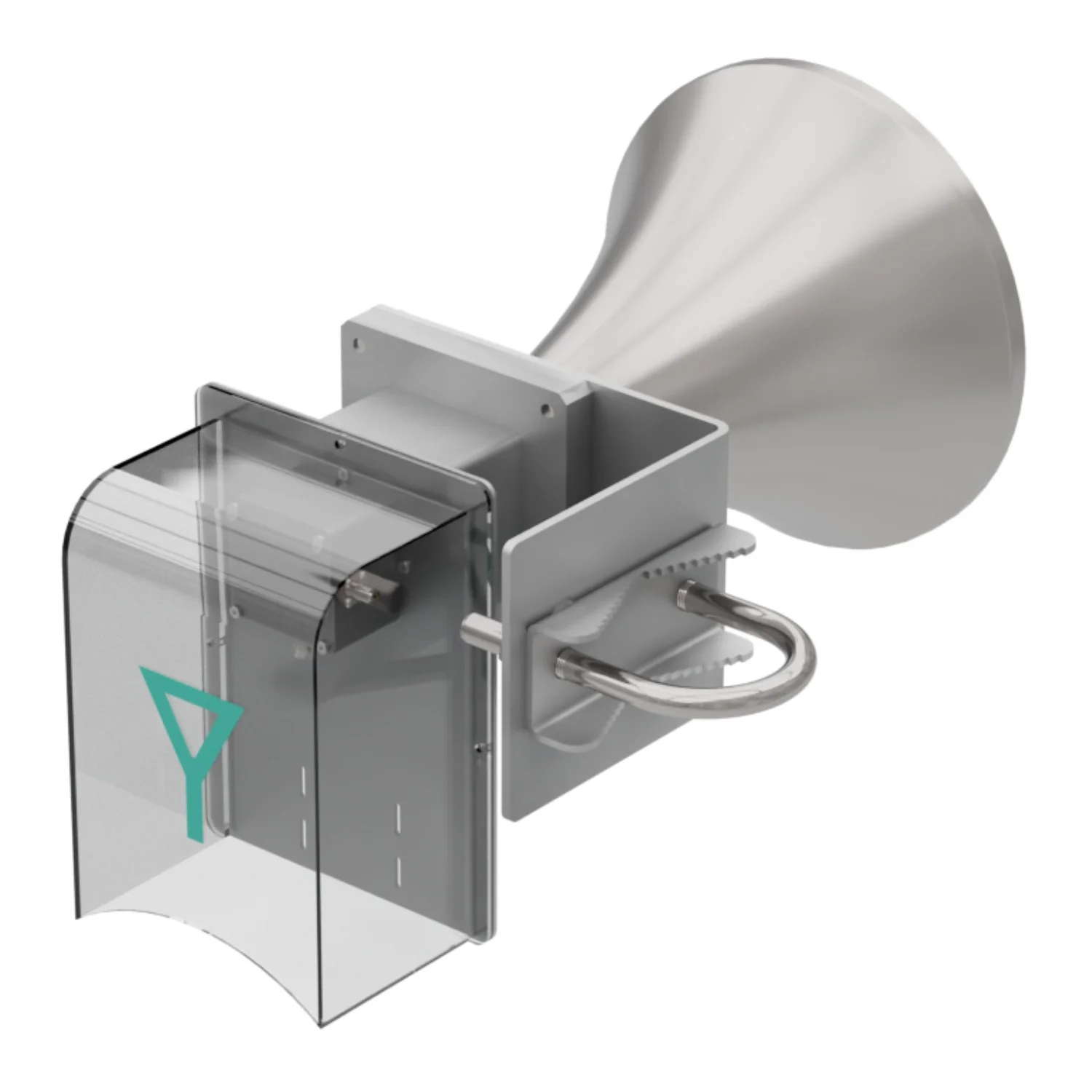
30° Symmetrical Horn
PTPbackhaulantenna
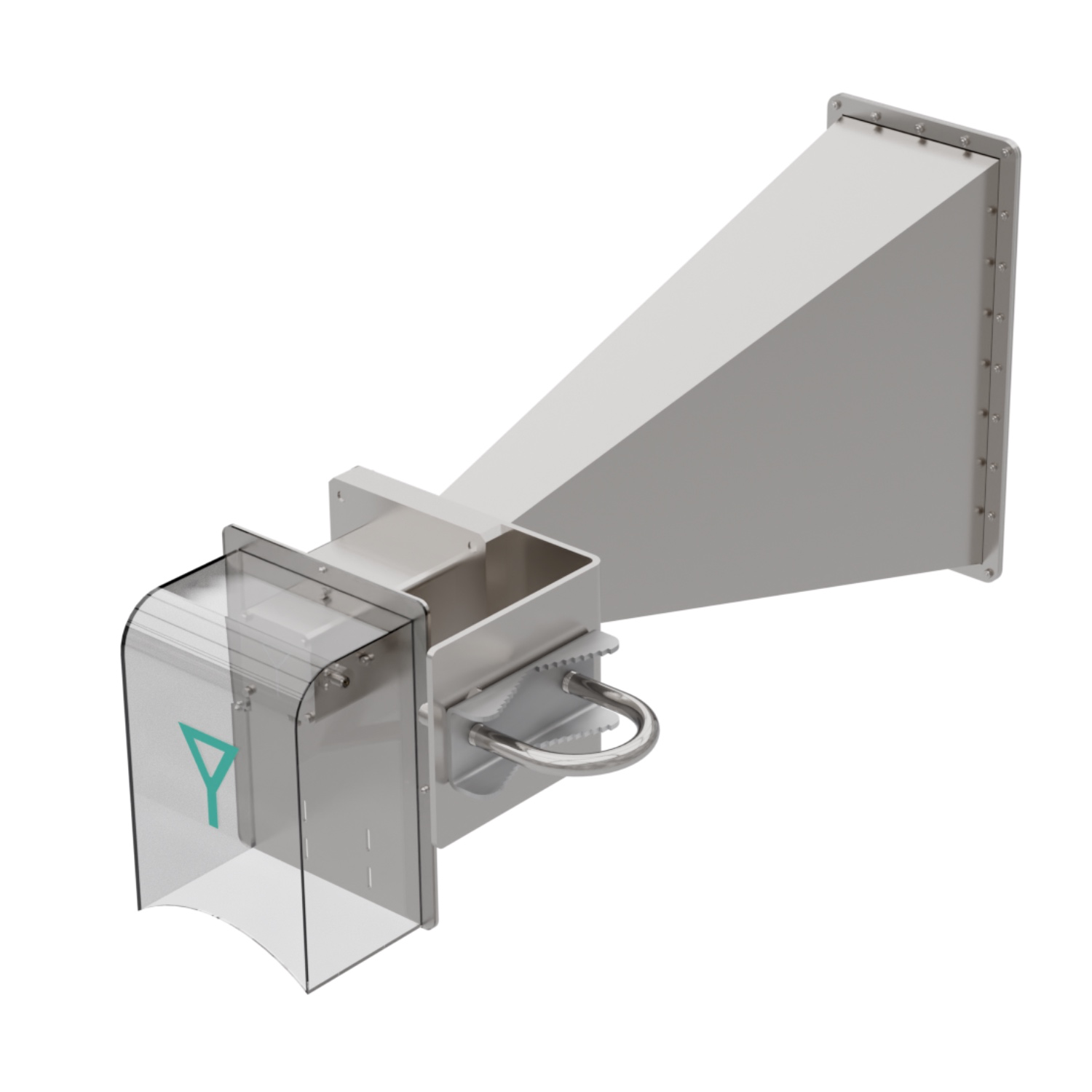
20° Asymmetrical Horn
antenna6 GHz5 GHz
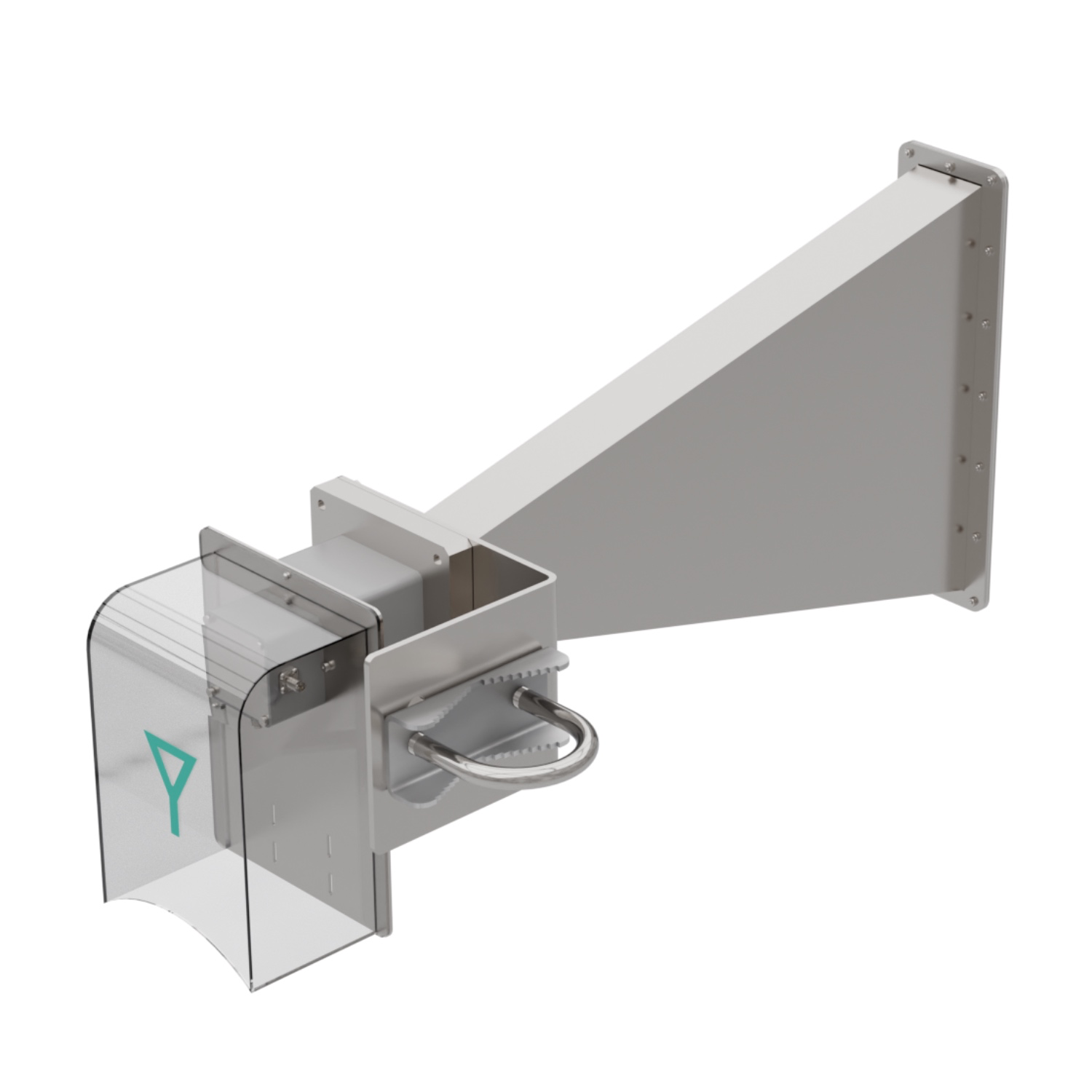
60° Asymmetrical Horn
antenna6 GHz5 GHz
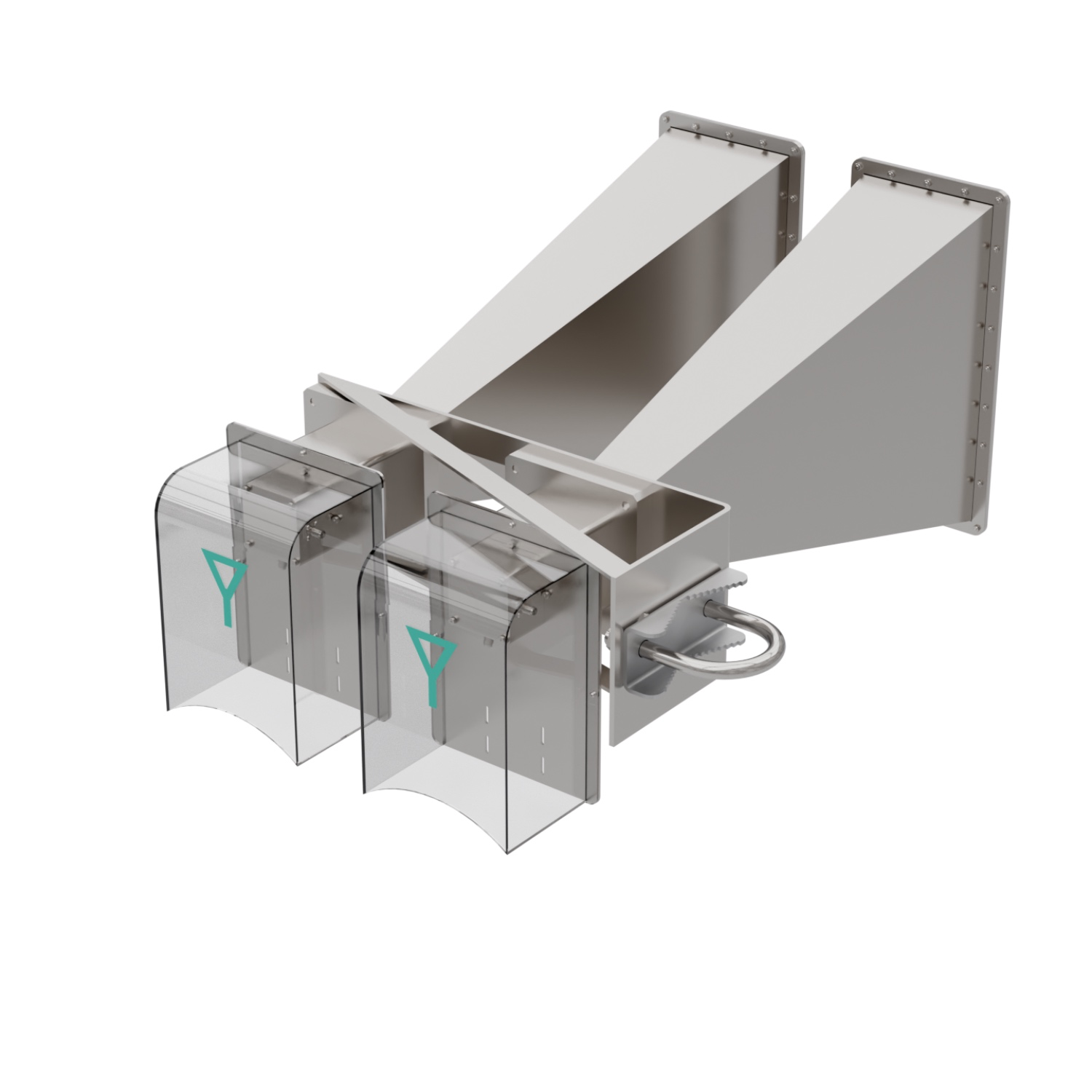
Double 20° Asymmetrical Horn 4x4
antenna6 GHz5 GHz
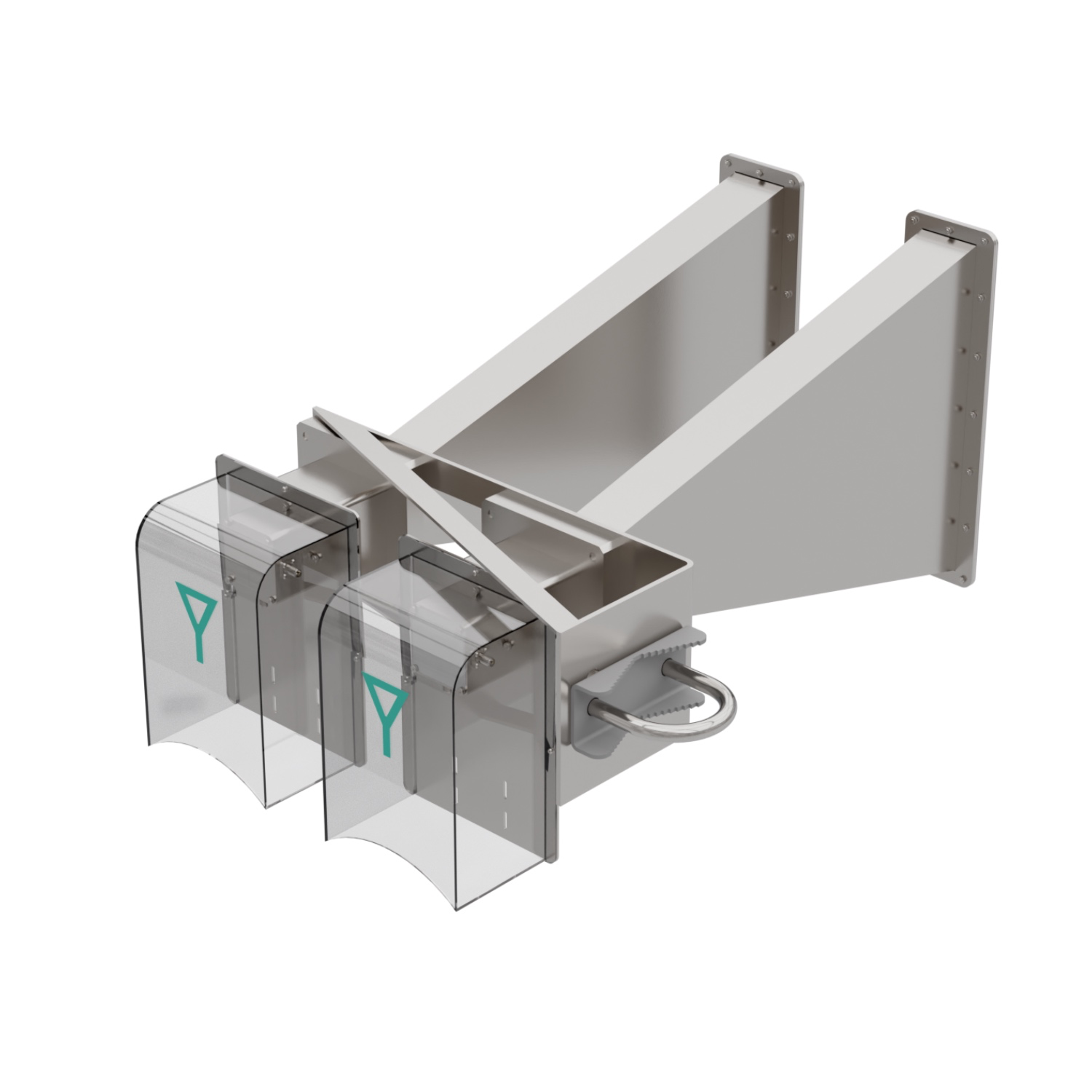
Double Asymmetrical 60° Horn 4x4
antenna6 GHz5 GHz
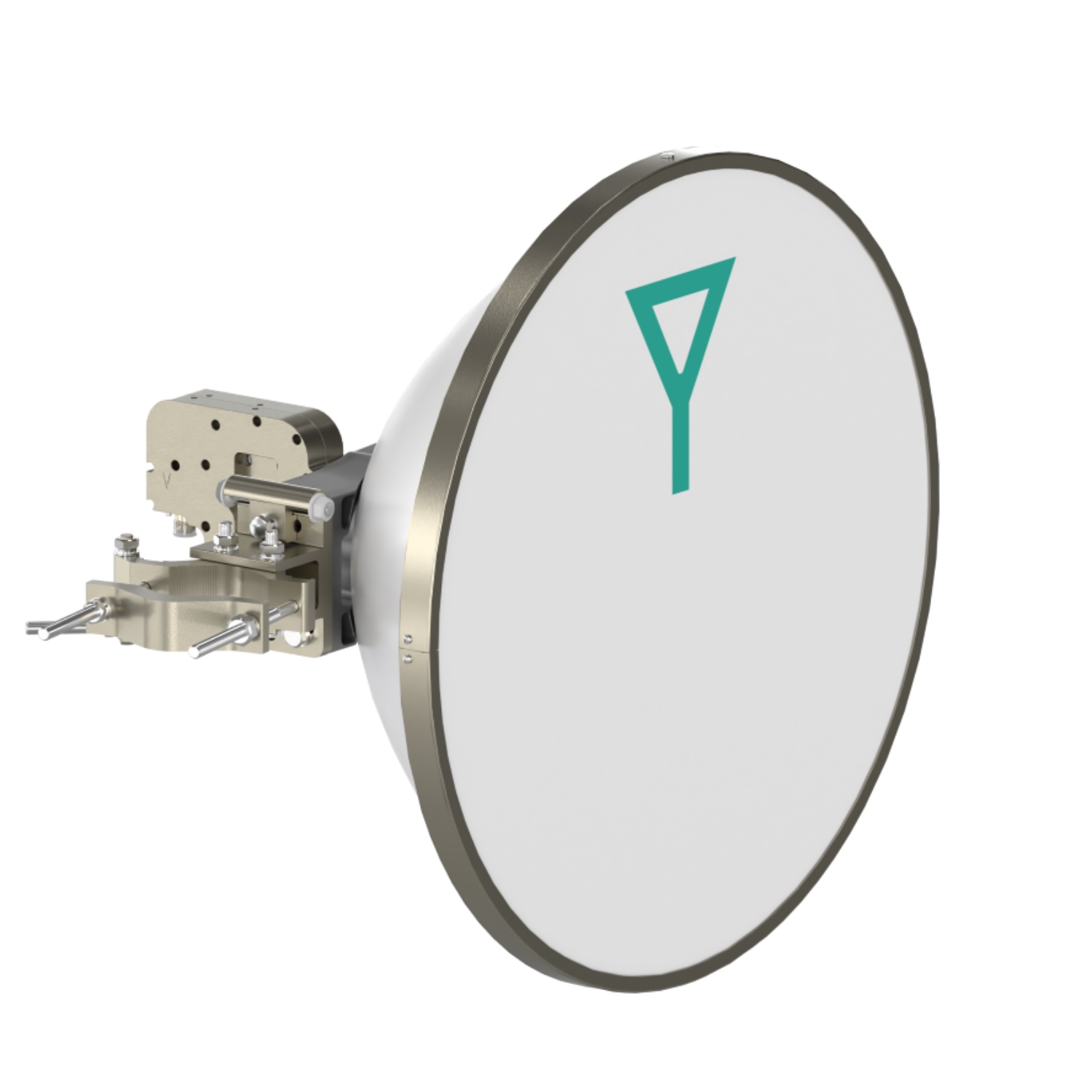
0.6m Dish High Performance
PTPbackhaulantenna
1.8m Dish High Performance
PTPbackhaulantenna
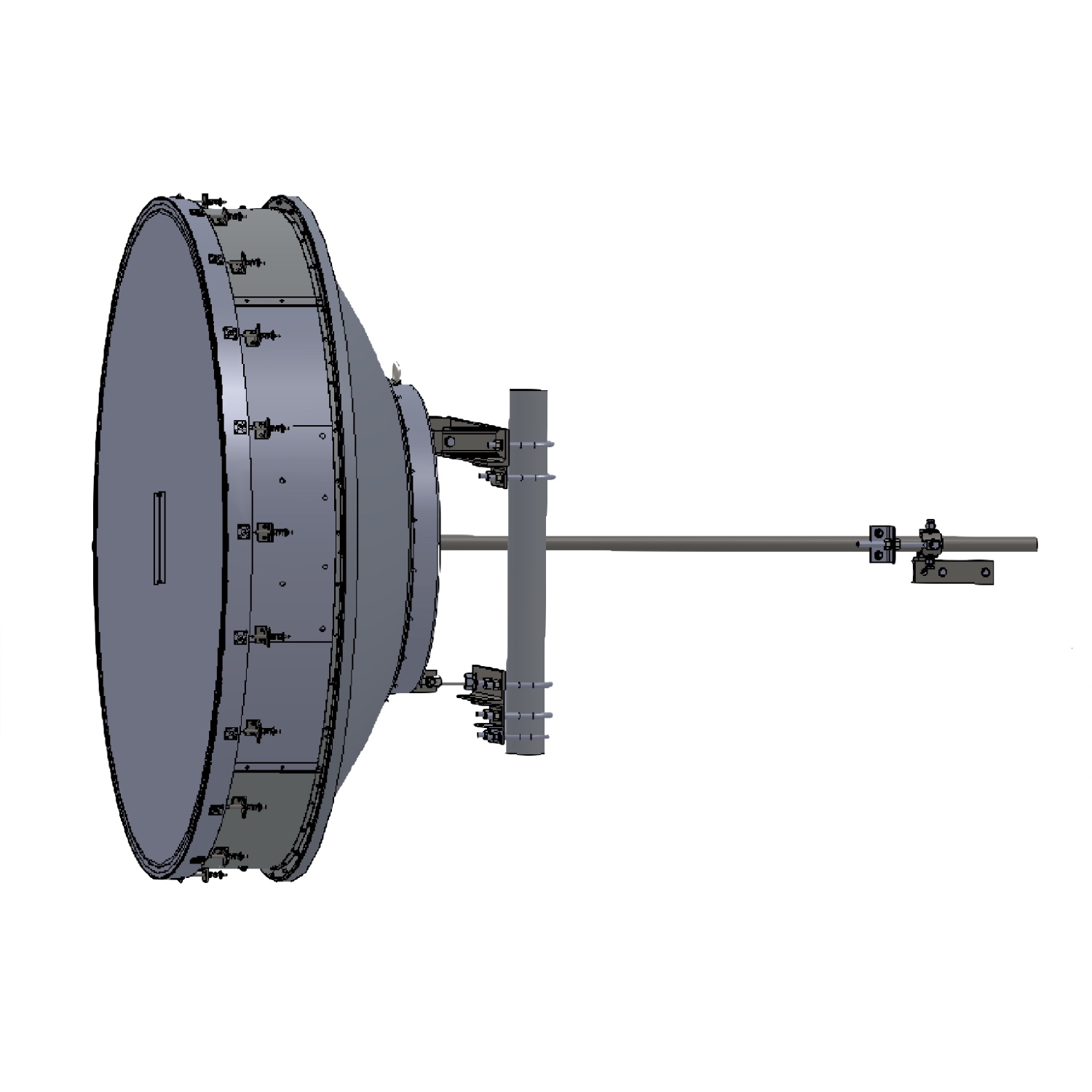
1.2m Dish High Performance
PTPbackhaulantenna
المراجعات
Loading…
Diplexer
Use 5 and 6 GHz radios on the same wideband antenna.
المميزات
- •Two radios on the same antenna
- •Use one high-gain antenna rather than two low-gain antennas
- •Save money on antennas
- •Lower maintenance cost
- •Easier deployments
- •Reduce wind load and space on towers
- •Insertion loss: <0.6 dB
- •Isolate received signals by 30 dB
المواصفات
- •الأبعاد (الطول×العرض×الارتفاع): 285×110×95
- •الوزن: 1.15kg