Overview
Details
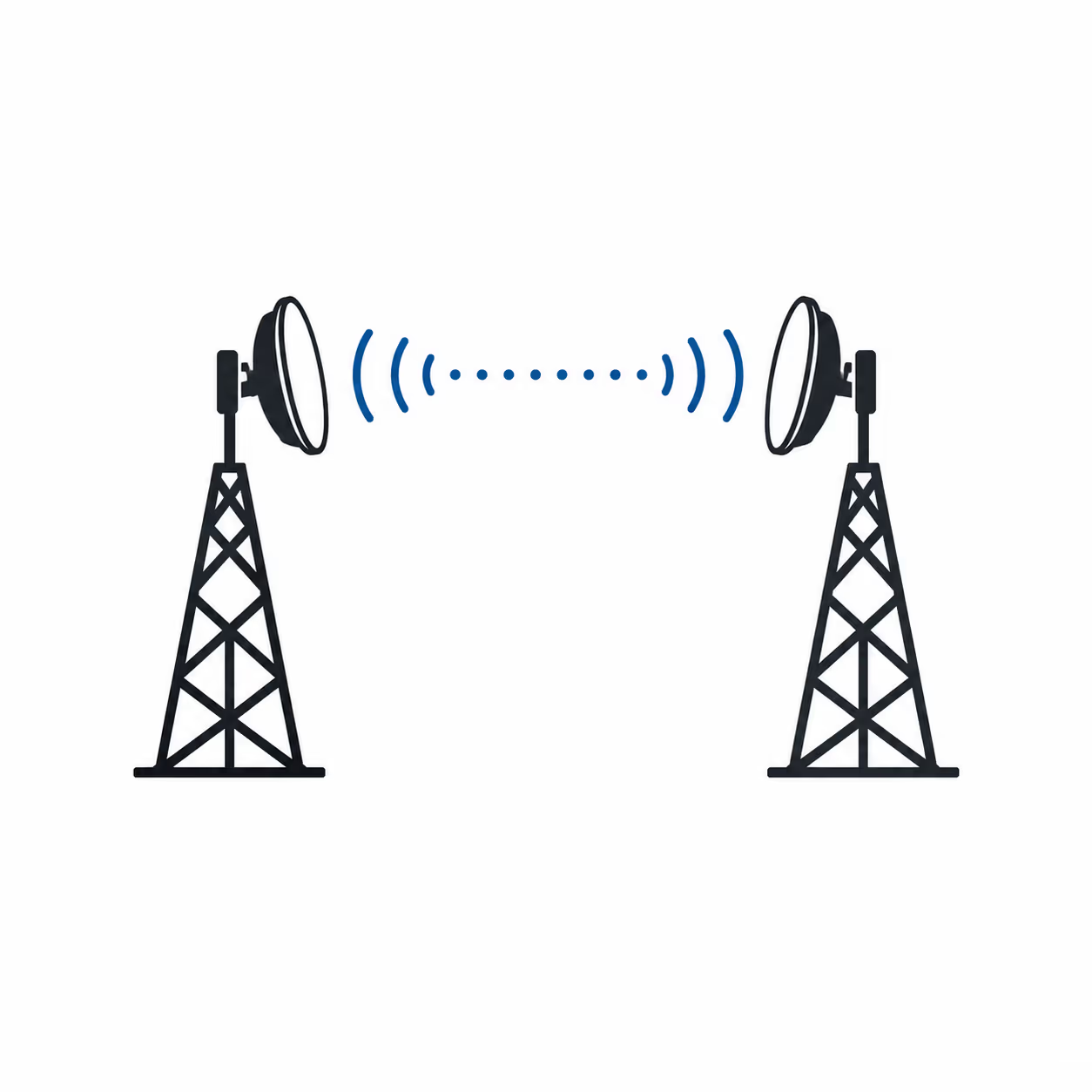
In WISP (Wireless Internet Service Provider) networks, backhaul is the critical communication link responsible for transporting internet data from the main upstream internet connection to wireless distribution towers and access points. It serves as the backbone of the entire wireless network infrastructure, enabling connectivity between core network locations, relay stations, tower sites, and subscriber-serving equipment.
Backhaul can be delivered through fiber optic connections, microwave Point-to-Point links, millimeter wave radios, satellite systems, or hybrid wireless architectures depending on deployment requirements. Many WISPs rely heavily on wireless backhaul because it allows rapid network expansion in rural, mountainous, or underserved regions where fiber deployment may be expensive or impractical.
A strong backhaul network is essential for maintaining high throughput, low latency, stable connections, and reliable service quality. Insufficient backhaul capacity can create network bottlenecks that reduce speeds and negatively impact streaming, gaming, VoIP, and other bandwidth-intensive applications. Modern WISPs design scalable backhaul infrastructures using high-capacity radios, directional antennas, GPS synchronization, and advanced frequency planning to maximize network performance, improve reliability, and support increasing subscriber demand.
Productos relacionados
Filtrar por etiquetas
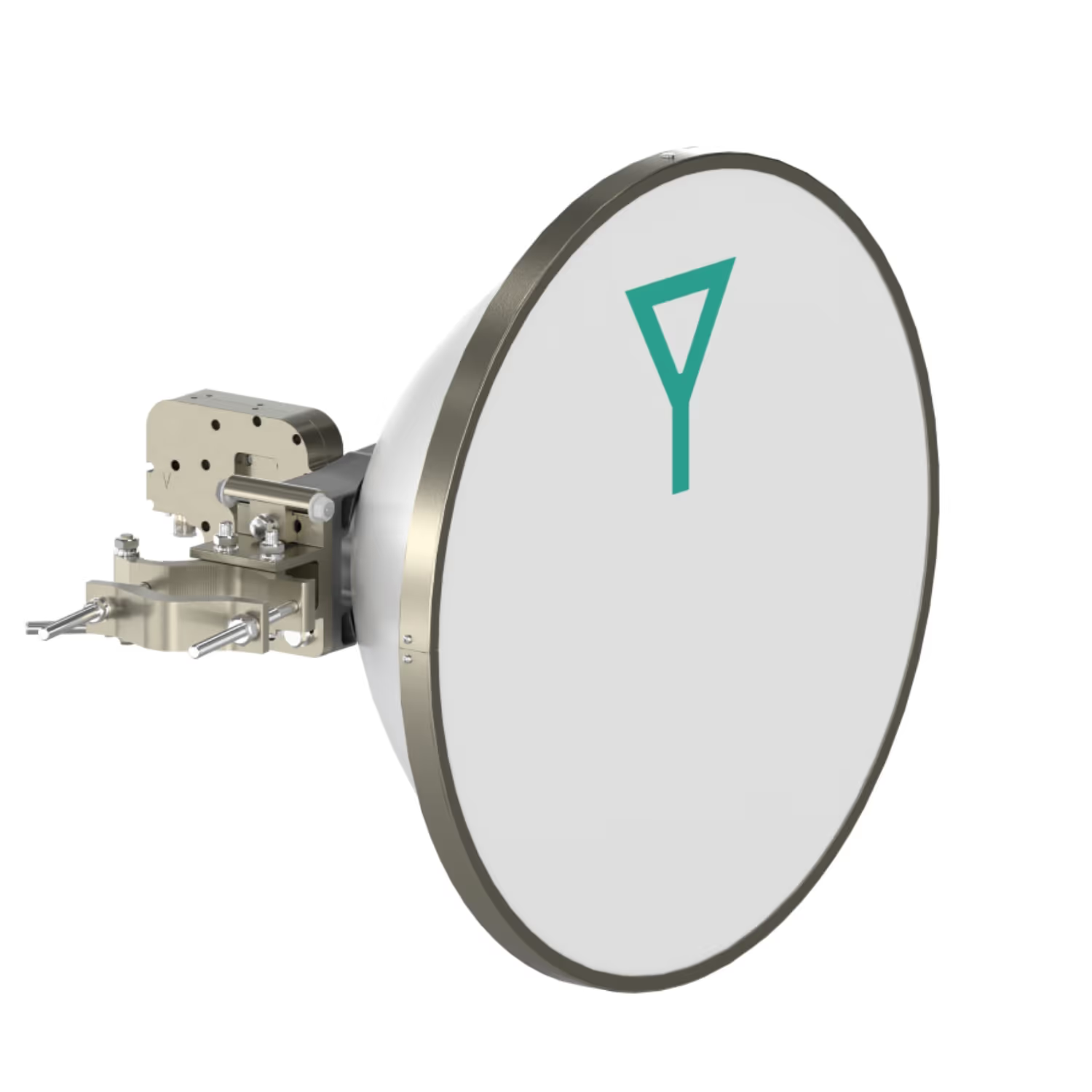
0.6m Dish High Performance
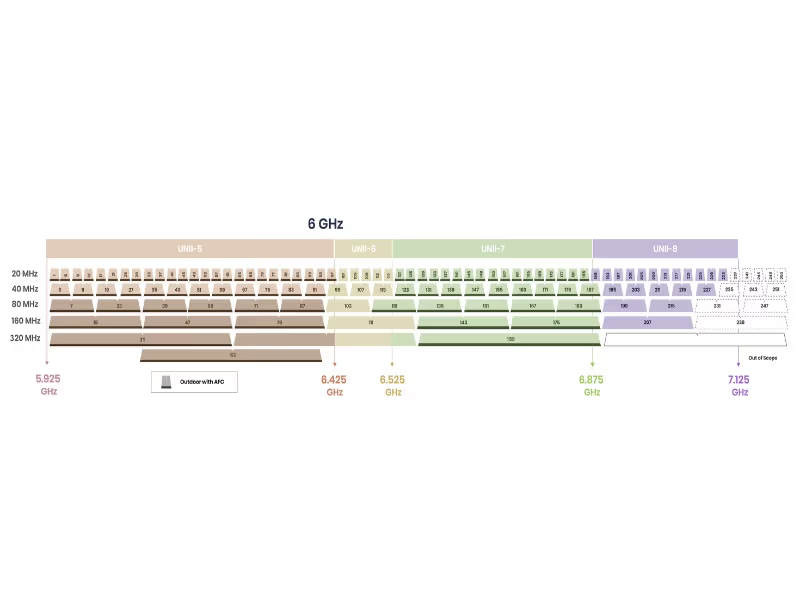
La antena Dish High Performance de 0,6 m es una antena de retorno por microondas de banda ancha (4,9-7,125 GHz) de alto rendimiento (HP).
$499.00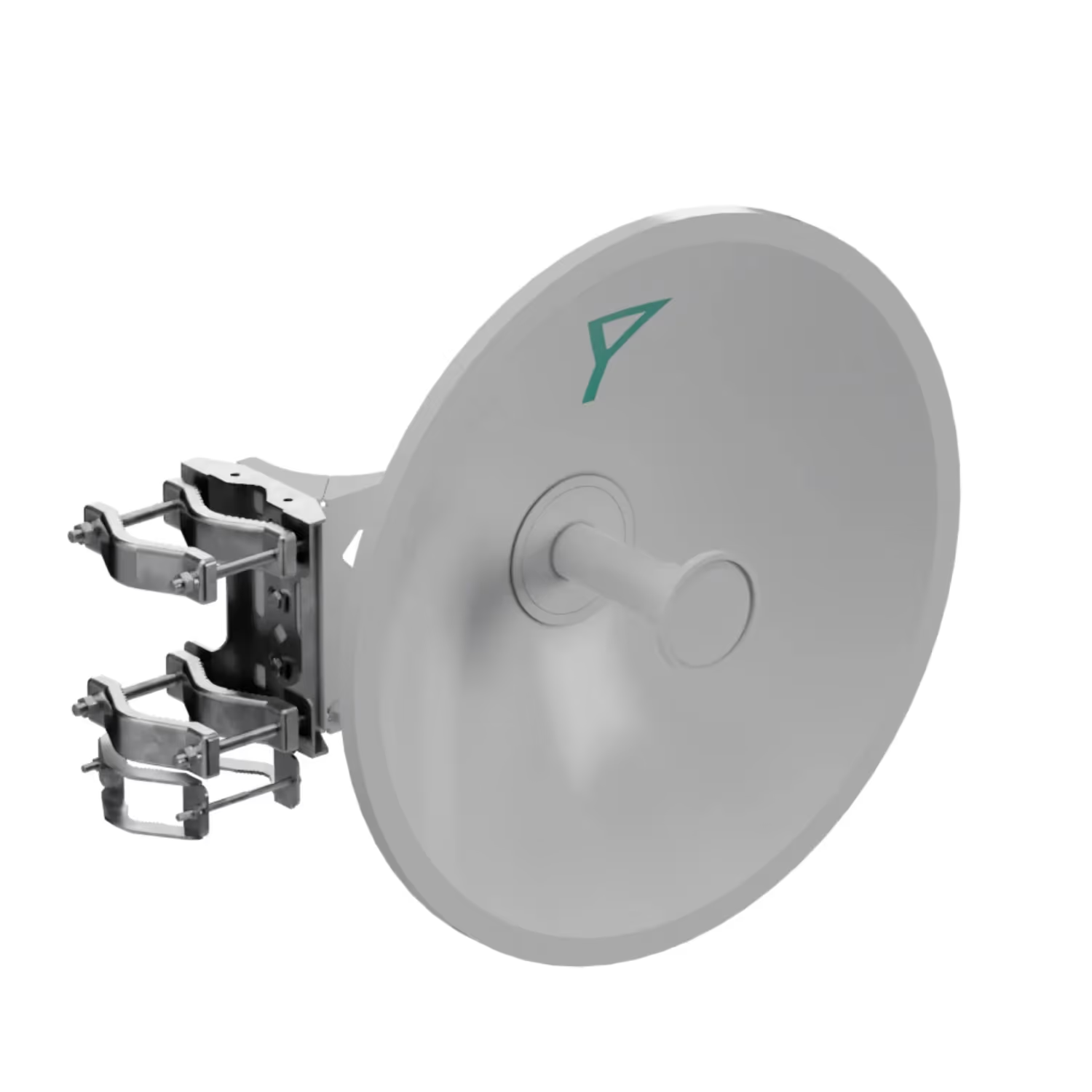
0.6m Dish Mimosa B6x Twist-on 2-pack
Diseñado para envíos económicos y conexión directa a radios Mimosa B6x, B5x, C6x y C5x, eliminando la pérdida de conversión en enlaces de 0 a 10 km. Ambas antenas están incluidas en el precio.
$398.00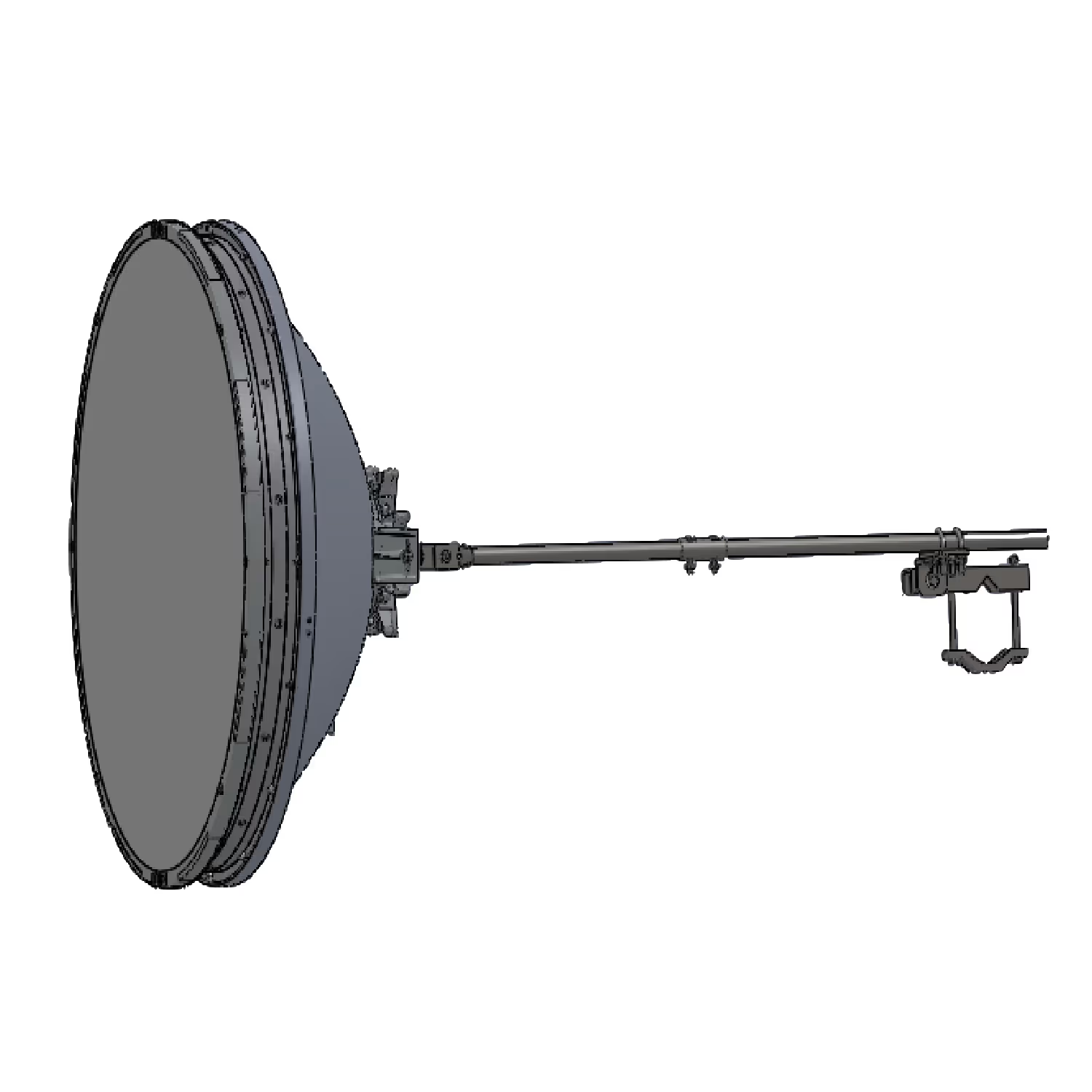
0.9m Dish High Performance
La antena parabólica de alto rendimiento de 0,9 m es una antena de enlace de retorno de microondas de banda ancha (4,9-7,125 GHz) de alto rendimiento (HP) para enlaces inalámbricos multigigabit de 10 a 20 km.
$899.00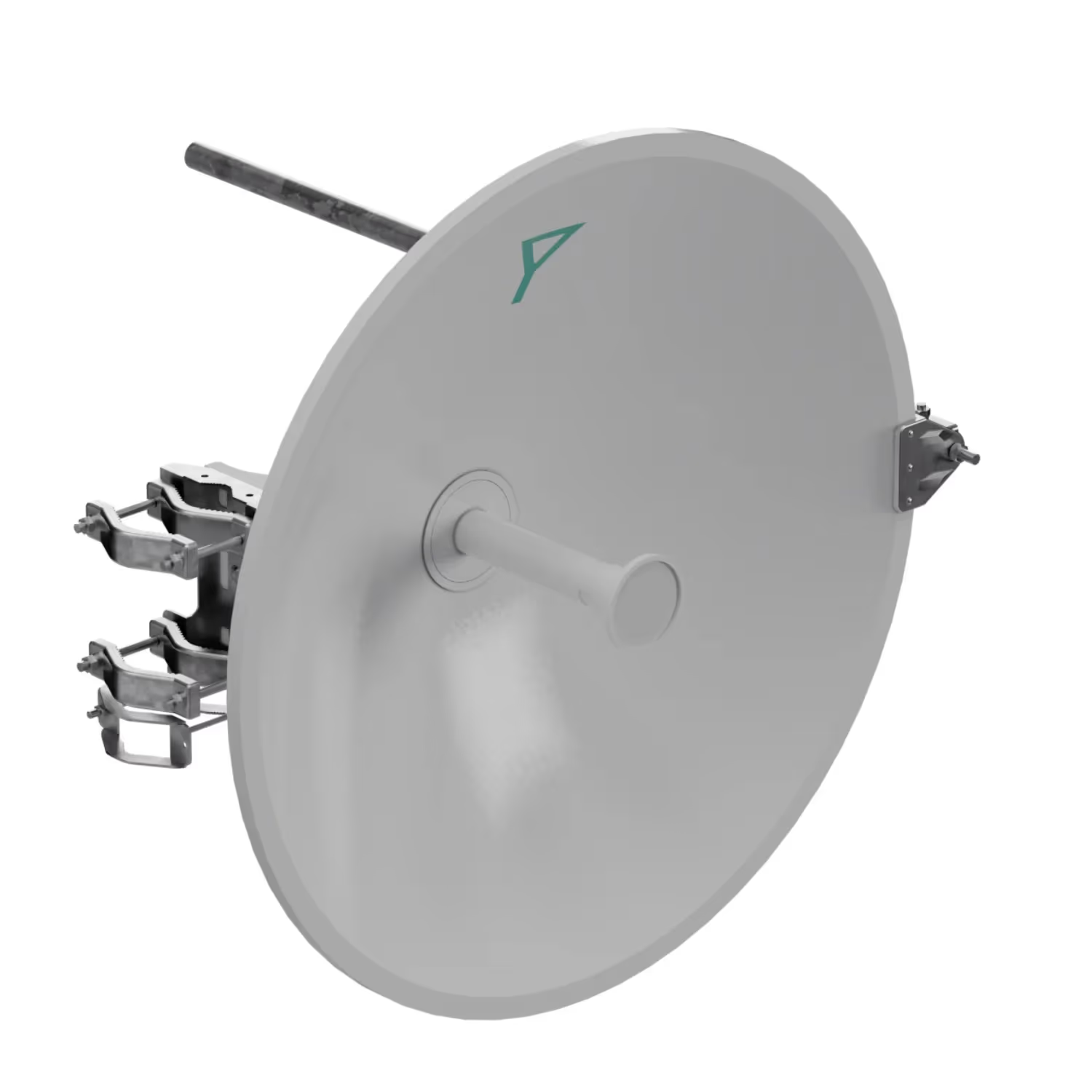
0.9m Dish Mimosa B6x Twist-on 2-pack
Diseñado para un envío rentable y conexión directa con radios Mimosa B6x, B5x, C6x y C5x, elimina las pérdidas de conversión en enlaces de 10 a 20 km. Ambas antenas están incluidas en el precio.
$798.000.9m Dish RP-SMA 2-pack
Paquete de 2 antenas parabólicas de 0,9 m (3 pies) para 5 y 6 GHz, diseñadas para un envío económico y conexión directa a radios Ubiquiti, Cambium y Mimosa sin pérdida de conversión para enlaces de hasta 20-40 km. El precio incluye ambas antenas.
$798.00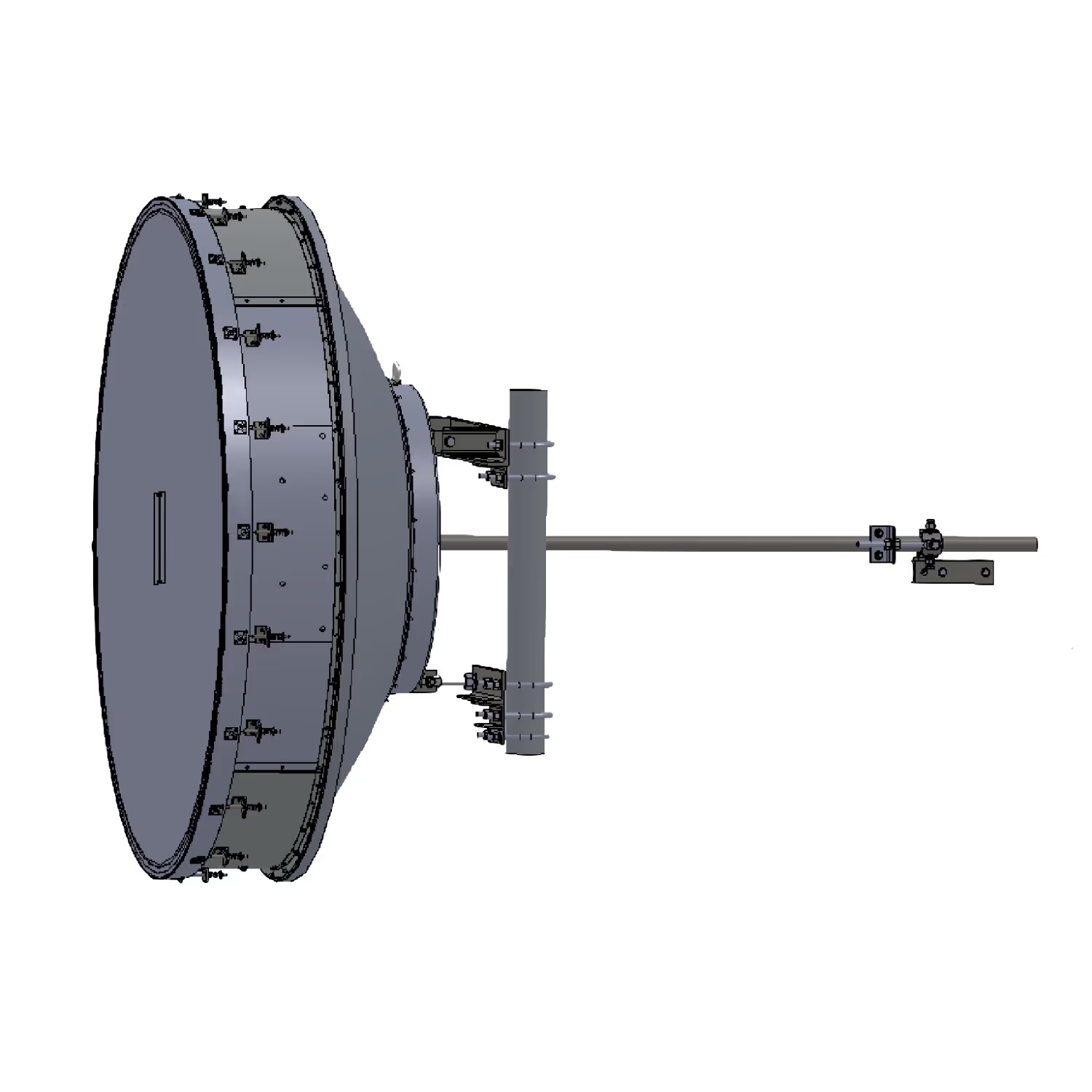
1.2m Dish High Performance
La antena parabólica de alto rendimiento de 1,2 m es una antena de enlace de retorno de microondas de banda ancha (4,9-7,125 GHz) de alto rendimiento (HP) para enlaces inalámbricos multigigabit de 20 a 40 km.
$1,299.00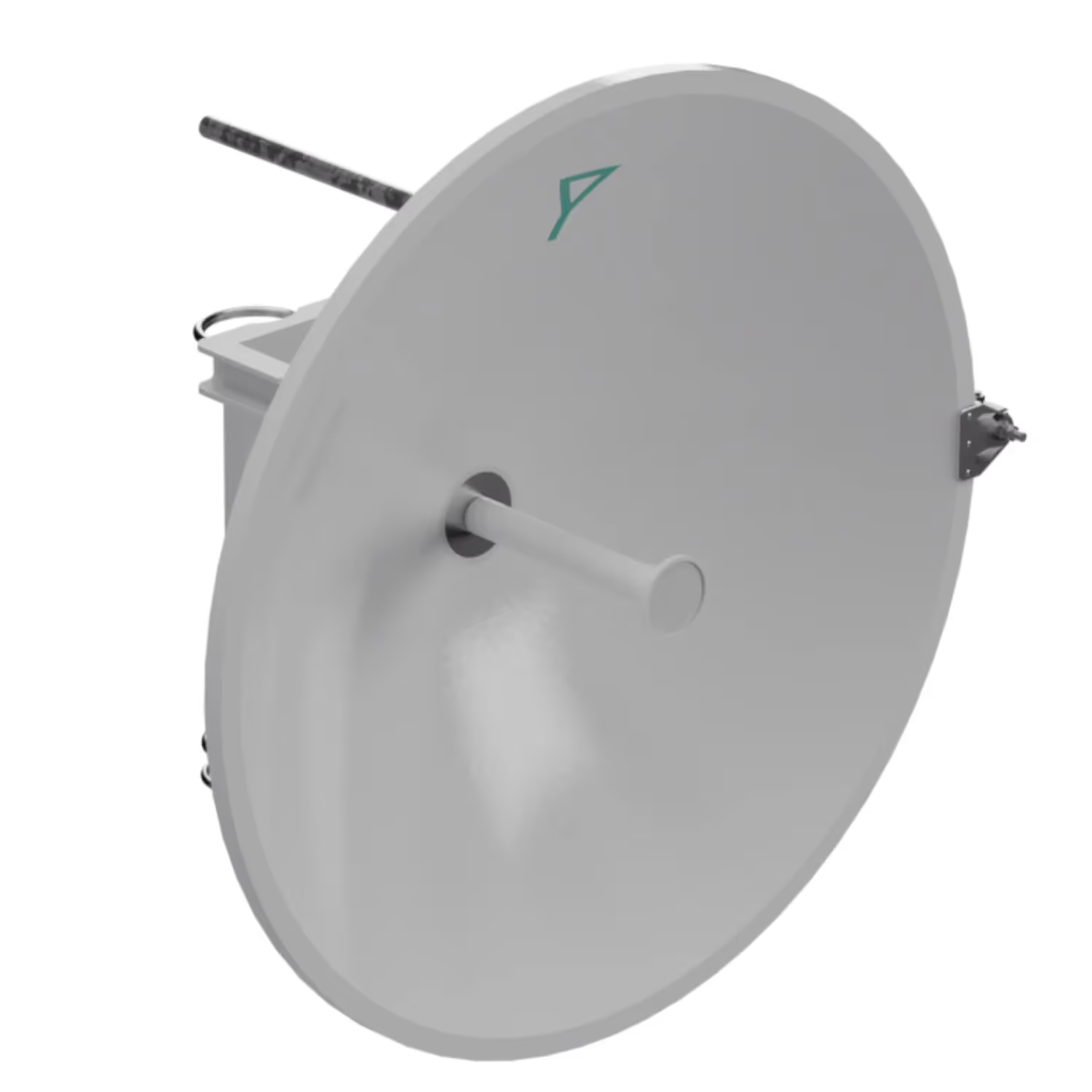
1.2m Dish Mimosa B6x Twist-on 2-pack
Diseñado para un envío económico y para conectar directamente a radios Mimosa B6x/B5x/C6x/C5x sin pérdida de conversión para enlaces de hasta 20-40 km. Ambas antenas están incluidas en el precio.
$998.001.2m Dish RP-SMA 2-pack
Paquete de 2 antenas parabólicas de 1,2 m (4 pies) para 5 y 6 GHz, diseñadas para un envío económico y conexión directa a radios Ubiquiti, Cambium y Mimosa sin pérdida de conversión para enlaces de hasta 20-40 km. El precio incluye ambas antenas.
$998.00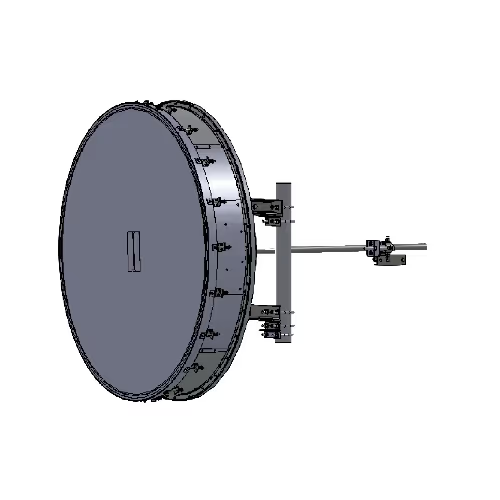
1.8m Dish High Performance
La antena parabólica de alto rendimiento de 1,8 m es una antena de enlace de retorno de microondas de banda ancha (4,9-7,125 GHz) de alto rendimiento (HP) para enlaces inalámbricos multigigabit de 40 a 80 km.
$2,999.00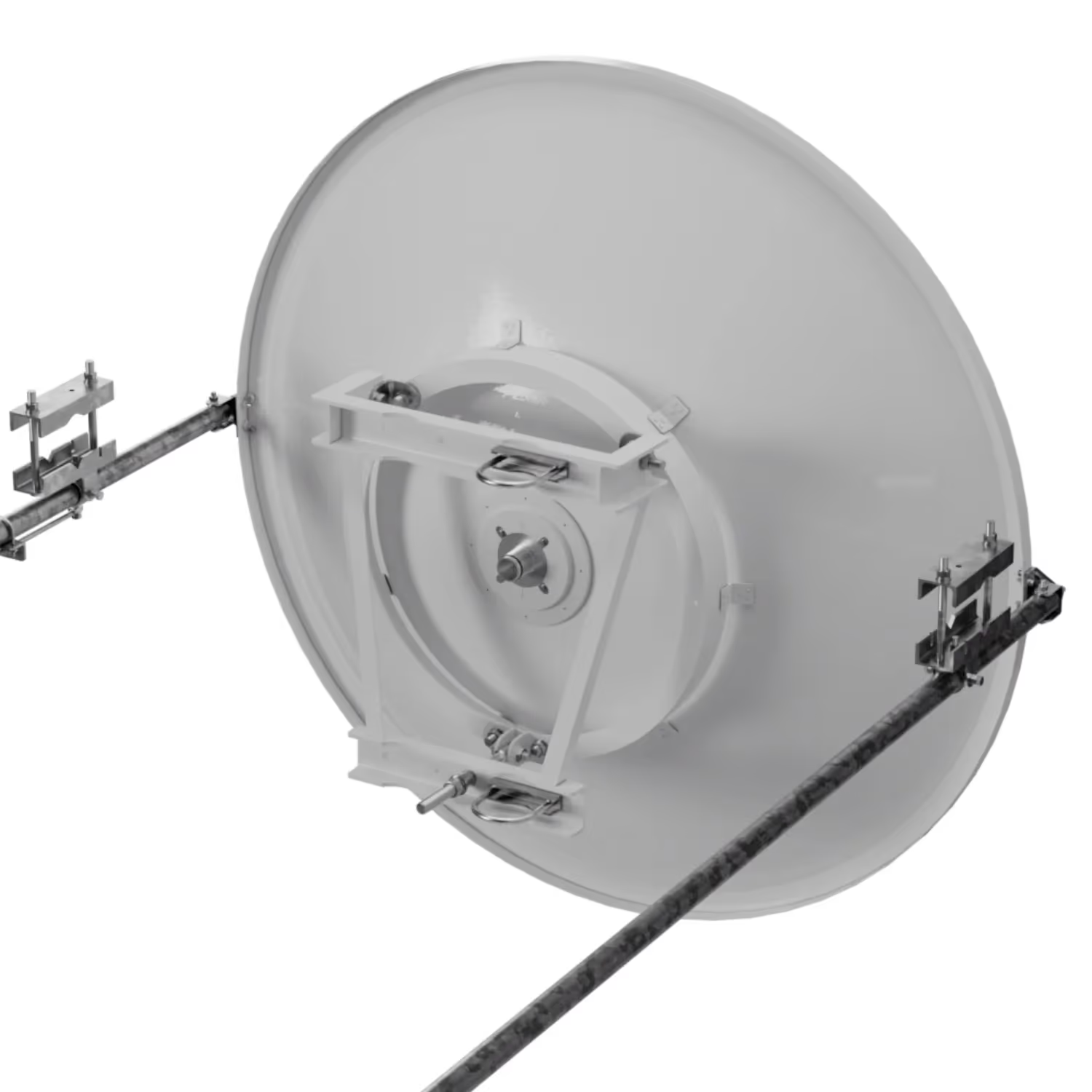
1.8m Dish Mimosa B6x Twist-on 2-pack
Diseñado para envíos económicos y conexión directa sin problemas a radios Mimosa B6x/B5x/C6x/C5x, sin pérdida de conversión para enlaces de hasta 40-80 km. Ambas antenas están incluidas en el precio.
$3,998.001.8m Dish RP-SMA 2-pack
Diseñado para envíos económicos y una conexión directa y sin problemas a radios RP-SMA 2x2 para enlaces de hasta 40-80 km. Ambas antenas están incluidas en el precio.
$3,998.00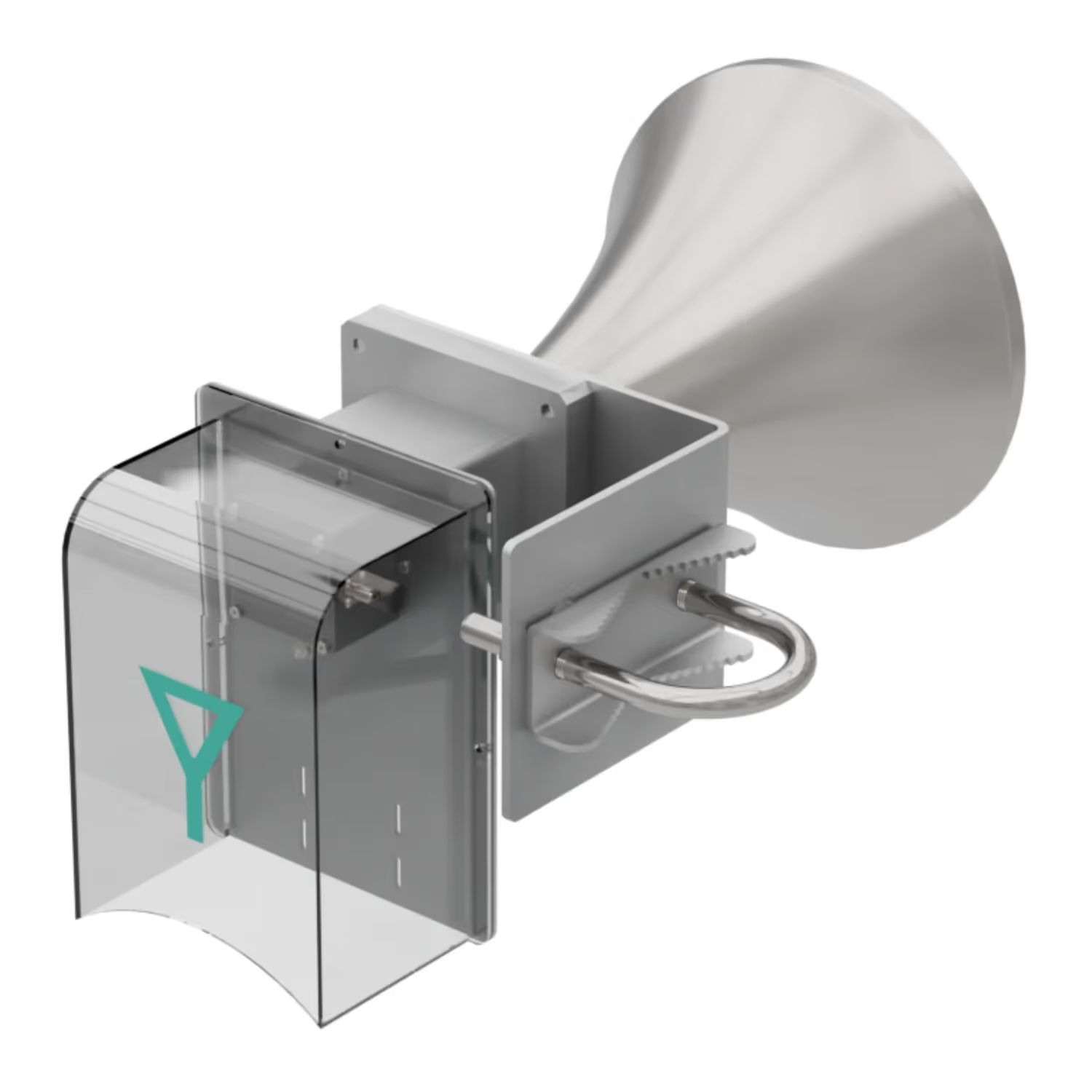
30° Symmetrical Horn
Antena de bocina simétrica de 30° de banda ancha de 5 y 6 GHz, todo incluido, ligera y de alto rendimiento
$279.00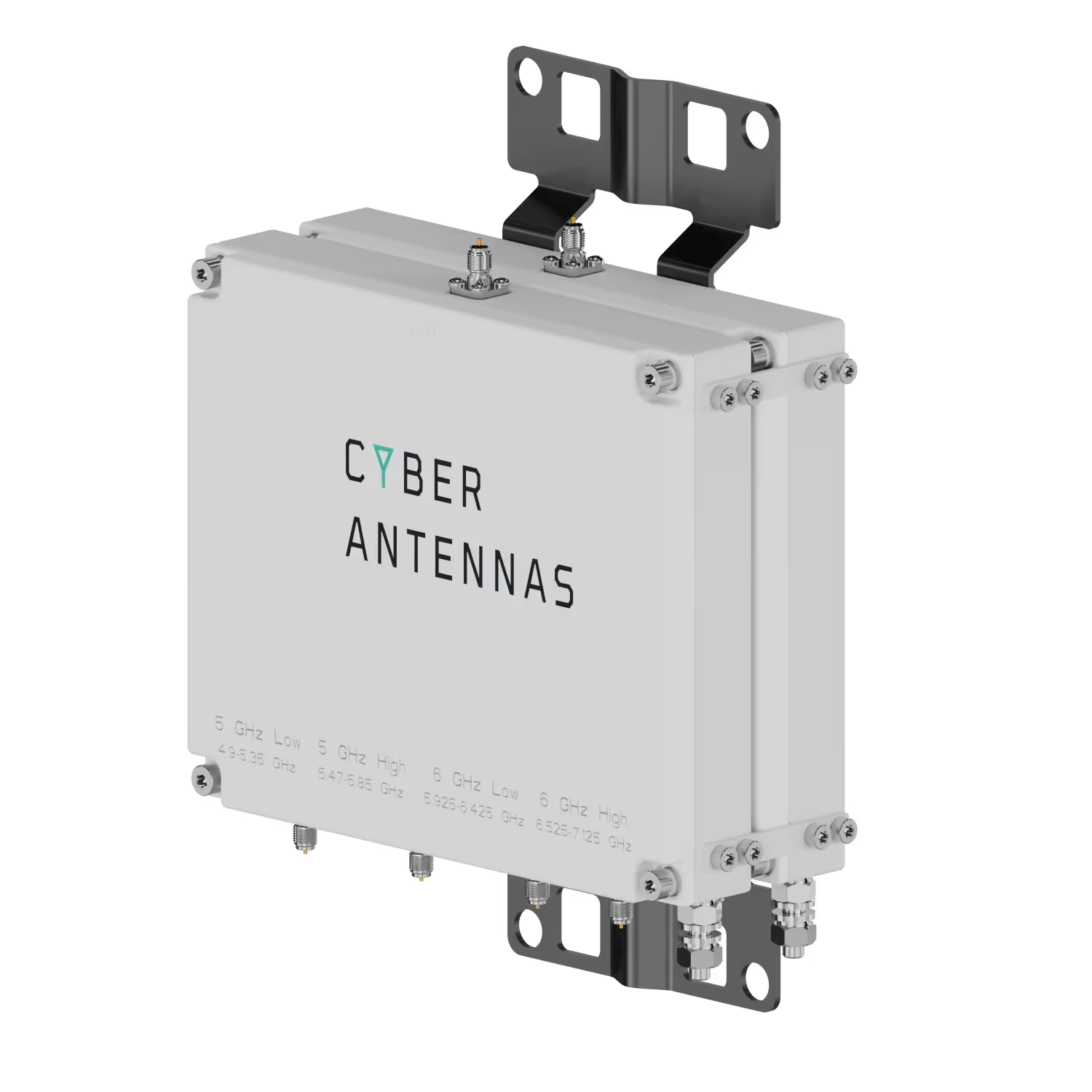
Quadplexer
Combina cuatro bandas de frecuencia (5 GHz baja/alta y 6 GHz baja/alta) en una antena de banda ancha polarizada dual.
$799.00