Overview
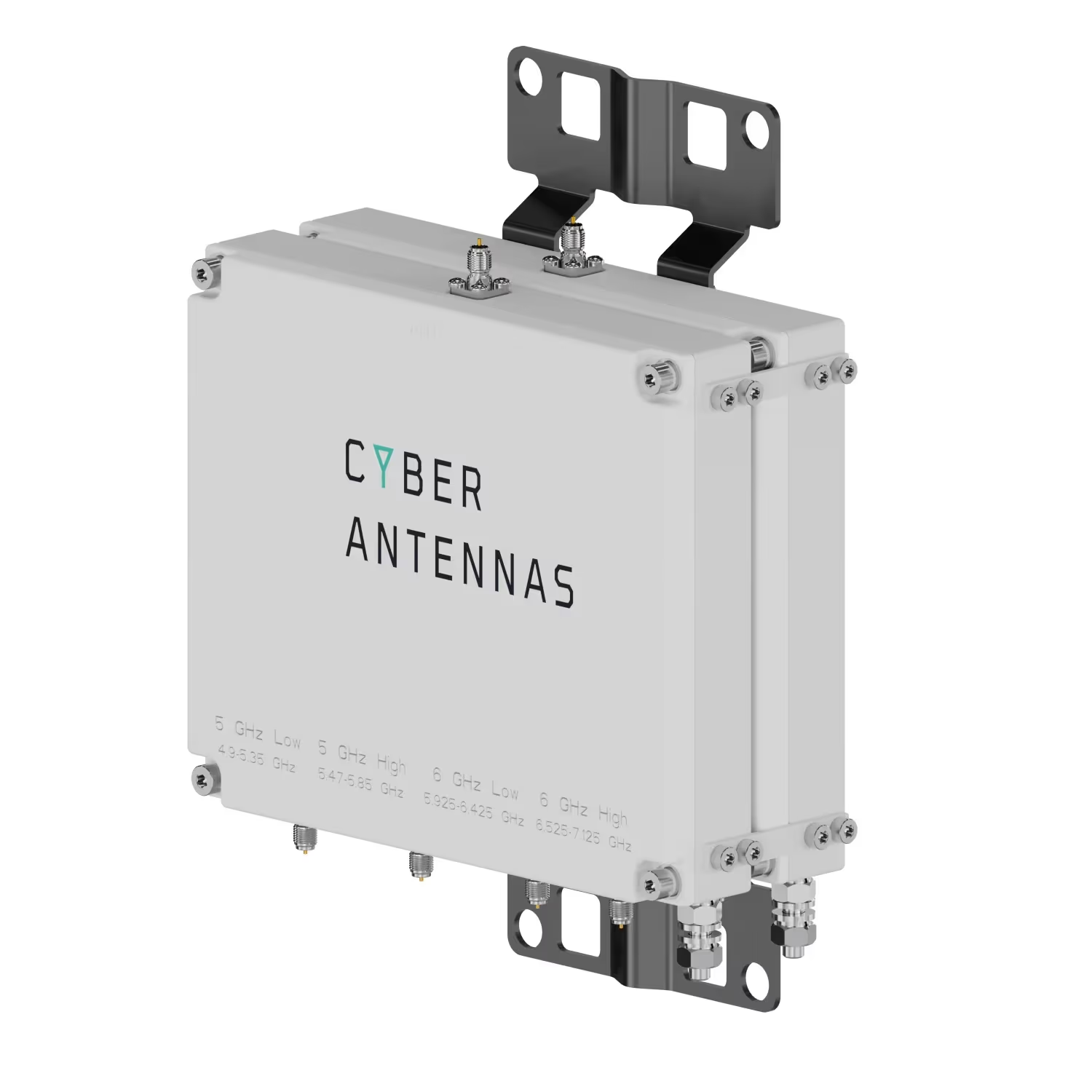
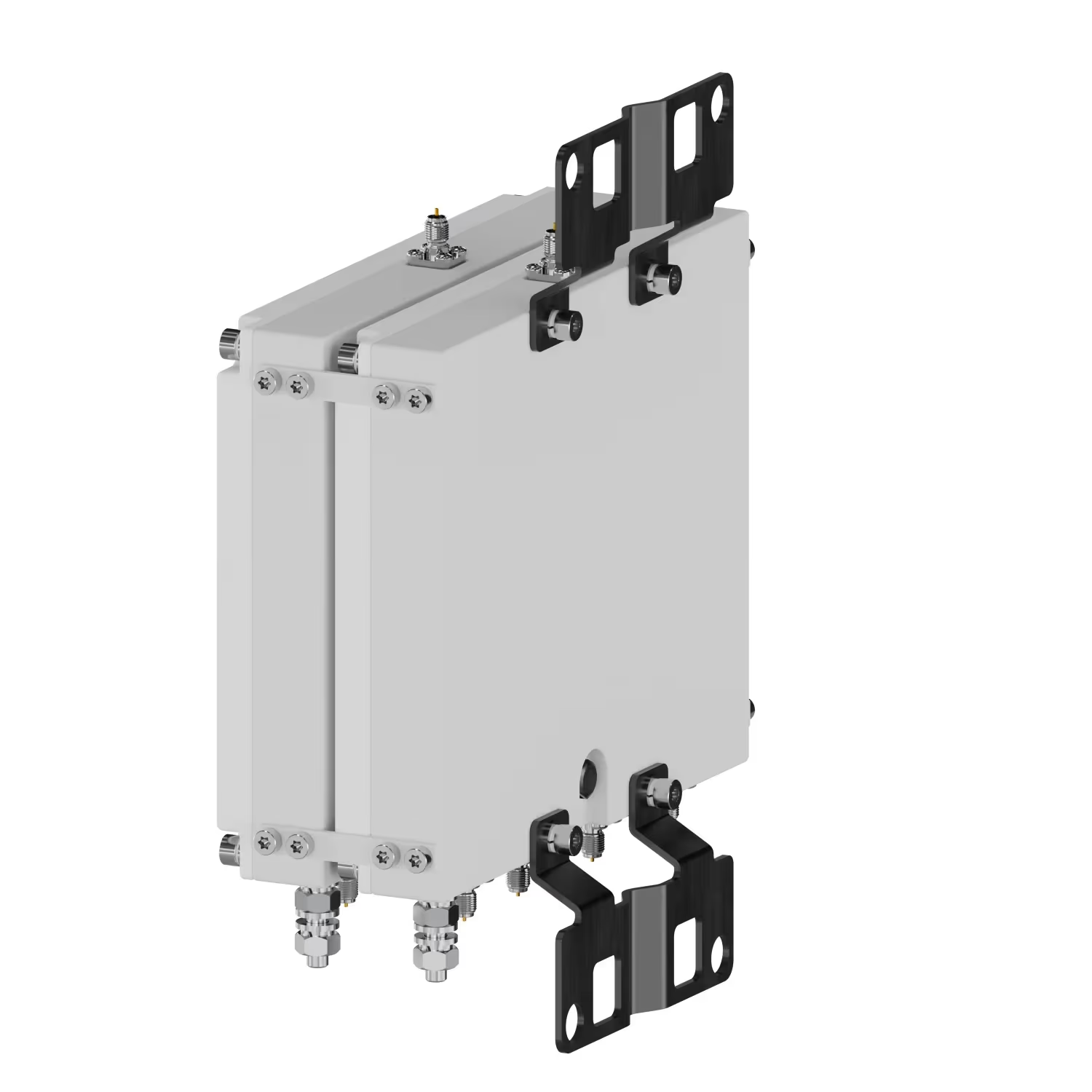
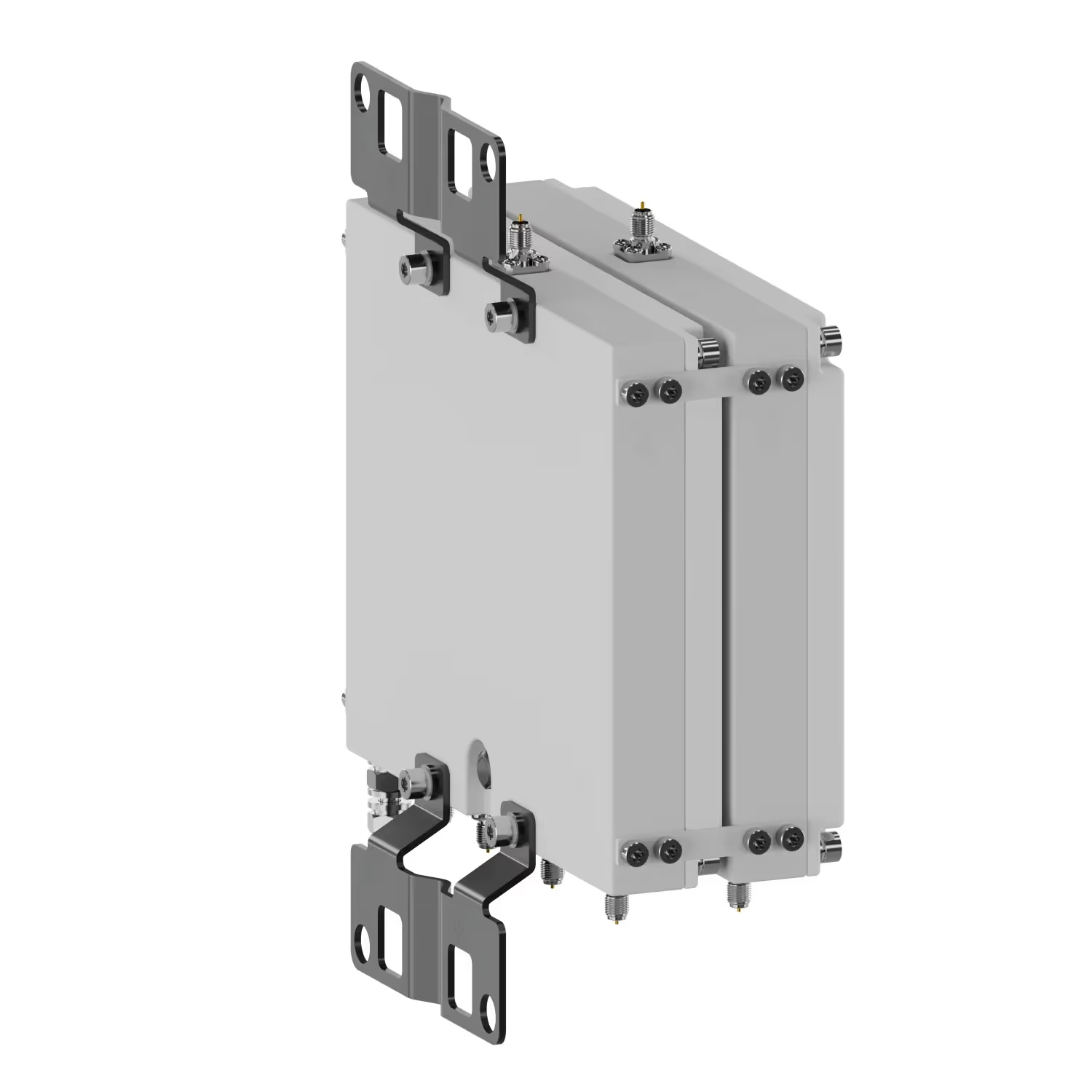
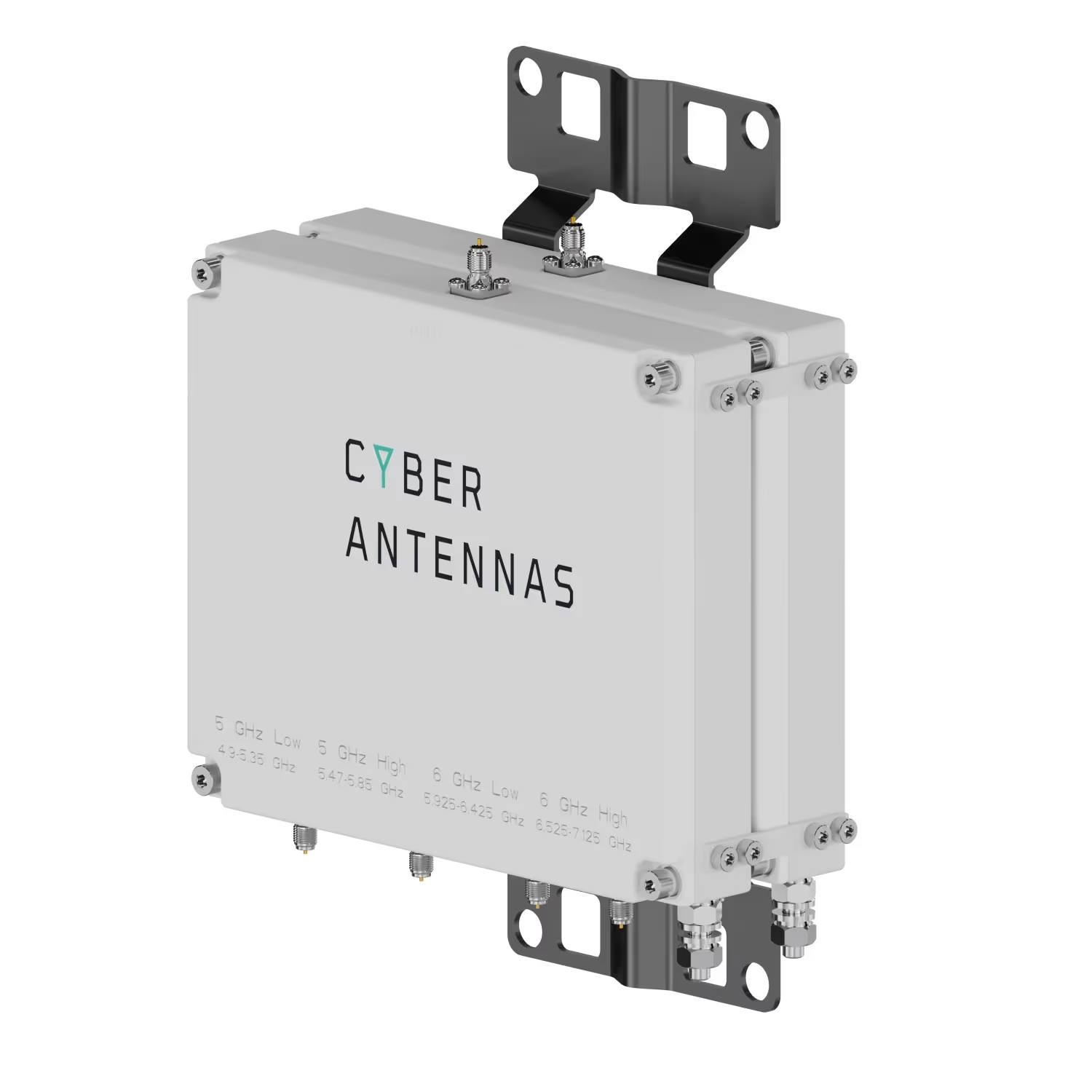
The Cyber Antennas Quadplexer combines and filters four Wi-Fi frequency bands (5 GHz low/high and 6 GHz low/high) into a single dual-polarized wideband antenna, delivering higher-capacity, interference-resistant wireless links while reducing cost, wind load, and tower clutter.
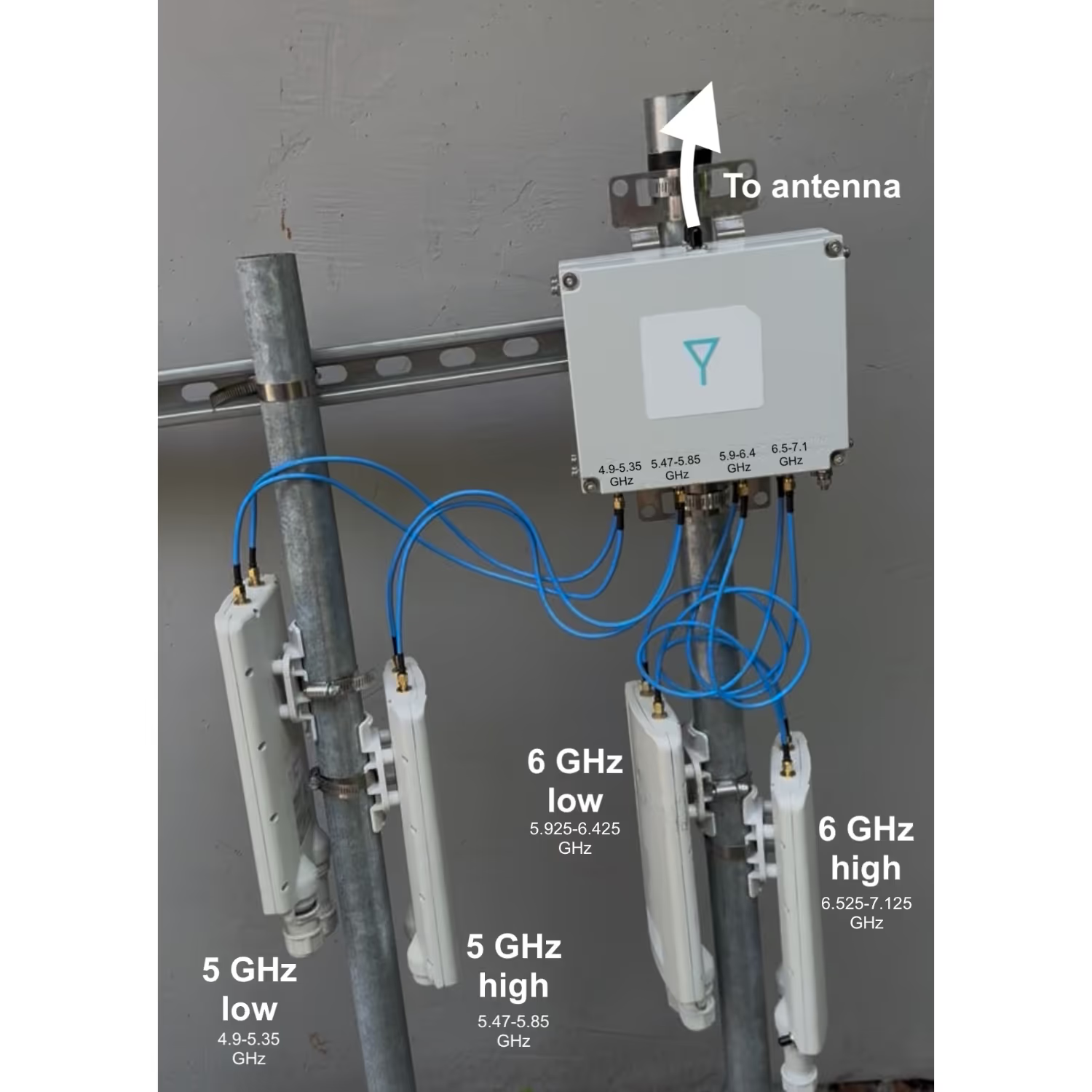
Four radios, one antennaThe Cyber Antennas Quadplexer allows you to connect four separate radios to a single high-gain, wideband dual-polarized antenna, eliminating the need for multiple antennas while preserving performance across all frequency bands. By combining and filtering 5 GHz low, 5 GHz high, 6 GHz low, and 6 GHz high channels, it streamlines deployments, reduces tower clutter, and cuts costs without sacrificing link quality.
Simple deploymentsReplace four dedicated antennas with one wideband solution, reducing installation time, cabling complexity, and ongoing maintenance needs.
Lower Costs, Higher EfficiencyMinimize equipment purchases, tower leasing fees, and wind load penalties while keeping performance at peak levels.
Optimal RF PerformanceThe quadplexer acts as bandpass filtering with more than 40 dB out-of-band rejection and less than 0.6 dB of insertion loss, protecting your wireless links from interference and improving reliability in congested environments.
Designed to Solve Common Backhaul ChallengesLimited Backhaul Capacity
As subscriber demand grows, single-band backhaul links can become a bottleneck. The Quadplexer allows operators to utilize multiple frequency bands on a single antenna system, increasing overall network capacity and supporting multi-gigabit throughput requirements.
Spectrum Congestion
Finding clean, contiguous spectrum can be difficult in crowded RF environments. By enabling the use of multiple frequency bands, the Quadplexer helps operators distribute traffic more efficiently and make better use of available spectrum resources.
Excessive Tower Loading and Limited Space
Traditional multi-band deployments often require multiple antennas, increasing tower loading and consuming valuable mounting space. The Quadplexer allows multiple radios and bands to share a single dual-polarized wideband antenna, reducing antenna count and simplifying installations.
Complex and Costly Network Expansions
Expanding backhaul capacity typically requires additional antennas, mounting hardware, and tower work. The Quadplexer provides a scalable method for increasing capacity while minimizing infrastructure changes and installation complexity.
Growing Demand for Multi-Gigabit Transport
Modern networks require increasingly higher throughput to support more subscribers, higher speeds, and bandwidth-intensive applications. The Quadplexer enables operators to build high-capacity wireless transport links capable of carrying large amounts of network traffic.
Network Reliability Concerns
Relying on a single frequency band can make backhaul links more vulnerable to interference or congestion. By supporting multiple frequency bands, the Quadplexer helps operators build more resilient networks with additional capacity and operational flexibility.
Typical Use CasesMulti-Band Point-to-Point (PtP) Backhaul Links
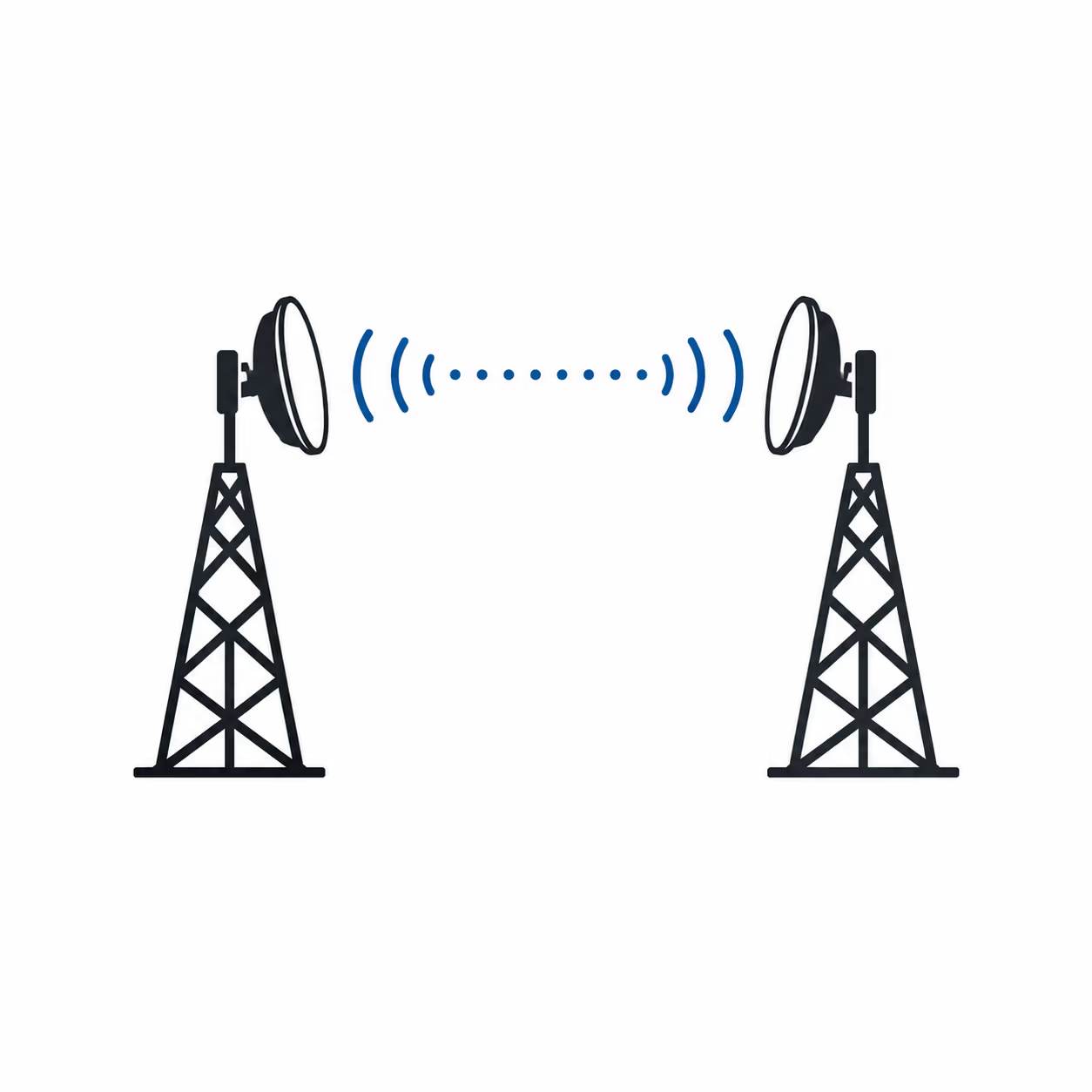
The Quadplexer allows operators to combine four frequency bands—5 GHz low, 5 GHz high, 6 GHz low, and 6 GHz high—onto a single dual-polarized wideband antenna. This enables high-capacity PtP backhaul links that can use multiple bands simultaneously to increase throughput and improve spectrum efficiency.
Spectrum-Constrained Deployments
In areas where clean spectrum is limited, operators can distribute traffic across multiple frequency bands rather than relying on a single channel. This helps reduce congestion and allows more efficient use of available spectrum resources.
Multi-Gigabit Wireless Backhaul
By aggregating multiple frequency bands onto one antenna system, the Quadplexer supports high-capacity backhaul applications that require multi-gigabit throughput, making it suitable for carrying large amounts of network traffic between tower sites, data centers, or aggregation points.
Tower Sites with Limited Space
Many tower locations have limited mounting space and wind-loading constraints. The Quadplexer enables multiple radios and frequency bands to share a single dual-polarized wideband antenna, reducing the number of antennas required on the tower and simplifying deployments.
WISP Network Upgrades and Expansion
WISPs can add additional frequency bands to existing backhaul links without deploying separate antennas for each band. This provides a scalable migration path as network traffic grows and additional spectrum becomes available.
High-Availability and Redundant Backhaul Networks
Operators can use multiple frequency bands to build resilient backhaul links that continue operating even if one band experiences interference or congestion. This improves network reliability and service continuity for subscribers.
Who Is the Quadplexer Designed For?The Quadplexer is ideal for:
• Wireless Internet Service Providers (WISPs) deploying high-capacity backhaul networks
• Network operators requiring multi-gigabit point-to-point (PtP) connectivity
• Service providers operating in spectrum-constrained environments that need to utilize multiple frequency bands
• WISPs and carriers upgrading network capacity without adding additional antennas
• Tower owners and network integrators working with limited tower space and wind-loading constraints
• Operators building high-availability and redundant wireless transport networks
• Service providers aggregating traffic from multiple tower sites and access networks
• Enterprise, utility, and critical infrastructure operators requiring scalable, high-capacity wireless backhaul solutions
What Sets the Quadplexer Apart from Similar Products in the IndustryCompared to conventional RF combining solutions, the Quadplexer is specifically designed to help network operators maximize wireless backhaul capacity while minimizing antenna requirements.
Four Frequency Bands on a Single Antenna System
The Quadplexer allows operators to combine four frequency bands onto a single dual-polarized wideband antenna. This enables significantly higher capacity than traditional single-band or dual-band deployments while reducing the need for additional antennas.
Reduced Tower Loading and Antenna Count
Many multi-band deployments require multiple antennas, mounting brackets, and feed systems. The Quadplexer simplifies installations by allowing several radios and frequency bands to share one antenna platform, conserving tower space and reducing wind loading.
Improved Spectrum Utilization
Rather than depending on a single channel or frequency range, the Quadplexer enables operators to distribute traffic across multiple bands. This improves spectrum efficiency and provides greater flexibility in congested RF environments.
Scalable Capacity Expansion
As network demand increases, operators can add additional radios and channels while continuing to use the same antenna system. This provides a practical and cost-effective path for scaling network capacity.
Simplified Multi-Radio Deployments
Integrating multiple radios onto a single antenna system reduces installation complexity, minimizes cabling requirements, and simplifies network design compared to deploying separate antennas for each frequency band.
Designed for High-Capacity Wireless Transport
The Quadplexer is purpose-built for multi-gigabit point-to-point (PtP) backhaul and transport networks where maximizing throughput, improving spectrum efficiency, and reducing infrastructure requirements are critical objectives.
Frequently Asked QuestionsWhat is the Quadplexer?
The Quadplexer is an RF combining solution that allows four frequency bands to share a single dual-polarized wideband antenna. It enables operators to build high-capacity wireless links while reducing the number of antennas required on a tower.
What applications is the Quadplexer designed for?
The Quadplexer is designed for:
• Multi-gigabit point-to-point (PtP) backhaul links
• Network aggregation and transport networks
• Spectrum-constrained deployments
• High-capacity wireless infrastructure
• Redundant and highly available backhaul networks
Who should use the Quadplexer?
The Quadplexer is ideal for:
• Wireless Internet Service Providers (WISPs)
• Fixed wireless broadband operators
• Tower owners and network integrators
• Enterprise network operators
• Utility and critical infrastructure providers
What are the benefits of using a Quadplexer?
Key benefits include:
• Higher overall network capacity
• Better utilization of available spectrum
• Reduced antenna count and tower loading
• Simplified multi-radio deployments
• Easier network scalability and expansion
Why use a Quadplexer instead of multiple antennas?
Using a single antenna system reduces tower space requirements, lowers wind loading, simplifies installations, and can reduce infrastructure and maintenance costs compared to deploying separate antennas for each frequency band.
Does the Quadplexer improve spectrum efficiency?
Yes. By allowing traffic to be distributed across multiple frequency bands, the Quadplexer helps operators make more efficient use of available spectrum and reduce dependence on a single channel or frequency range.
Can the Quadplexer help increase backhaul capacity?
Yes. The Quadplexer enables multiple radios and channels to operate on a single antenna system, allowing operators to significantly increase overall backhaul capacity.
Is the Quadplexer suitable for high-density network environments?
Yes. The Quadplexer is well suited for networks that require additional capacity and efficient spectrum utilization in areas where spectrum availability and tower space are limited.
Can the Quadplexer be used for network upgrades?
Yes. The Quadplexer provides a scalable way to expand network capacity by adding additional radios and frequency bands without requiring separate antennas for each deployment.
Related Products
No related products found.
Related Products (Category & Subcategory)



Related Products (Tags)
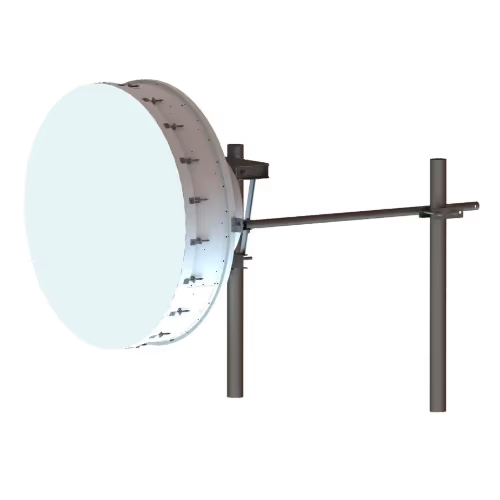
1.8 m Microwave Dish 6 GHz
6 GHz6-ft dish1.8 m dish
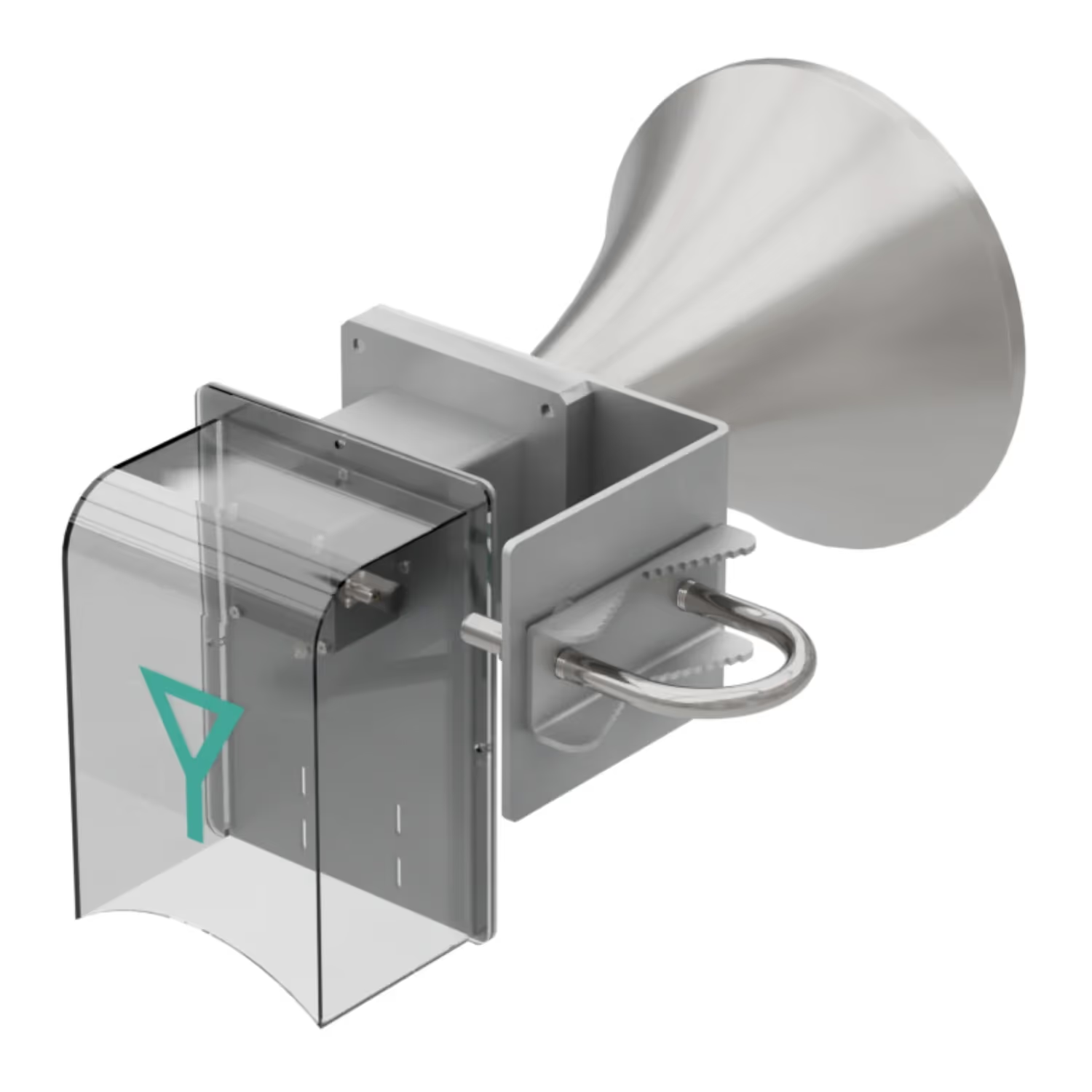
30° Symmetrical Horn
PTPbackhaulantenna
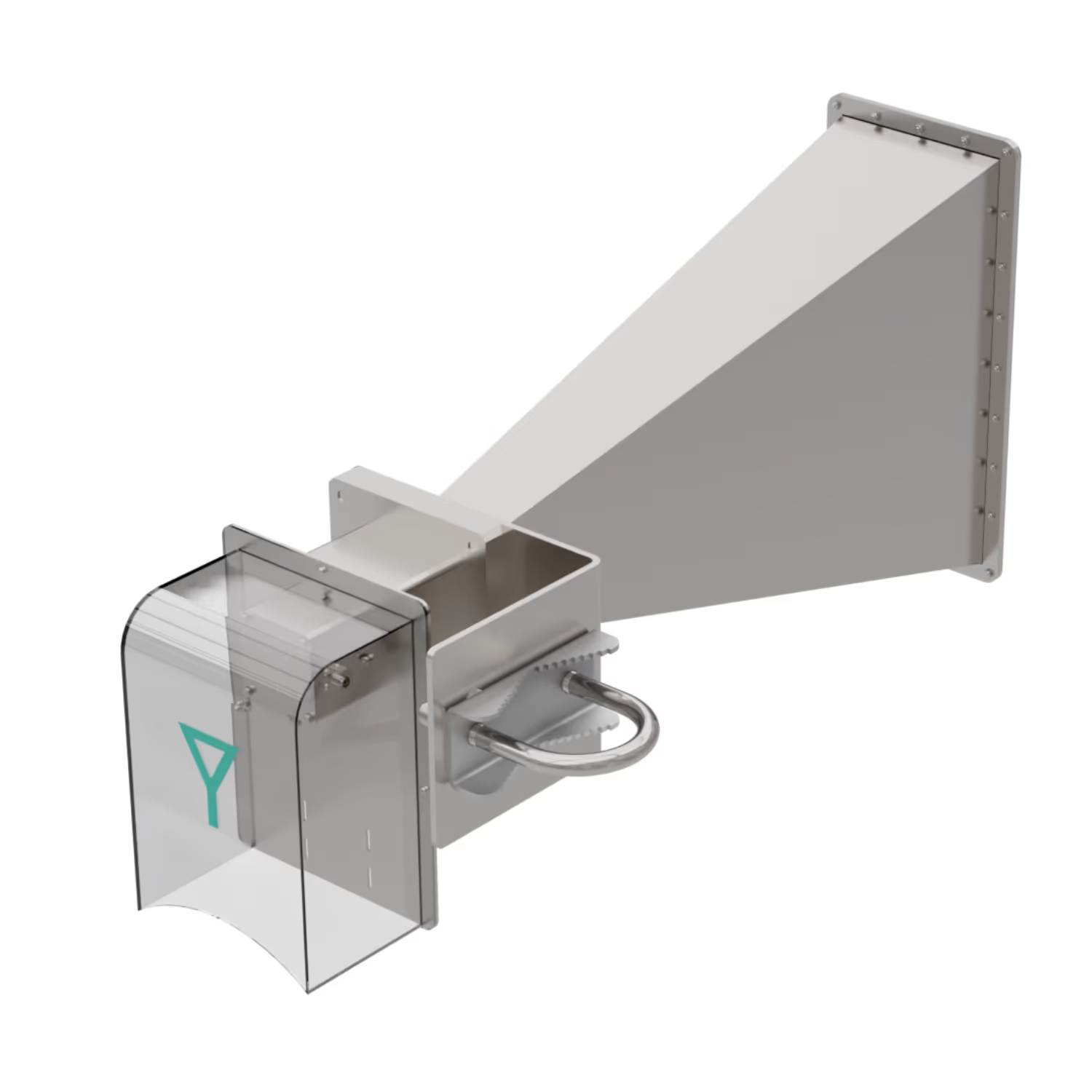
20° Asymmetrical Horn
antenna6 GHz5 GHz
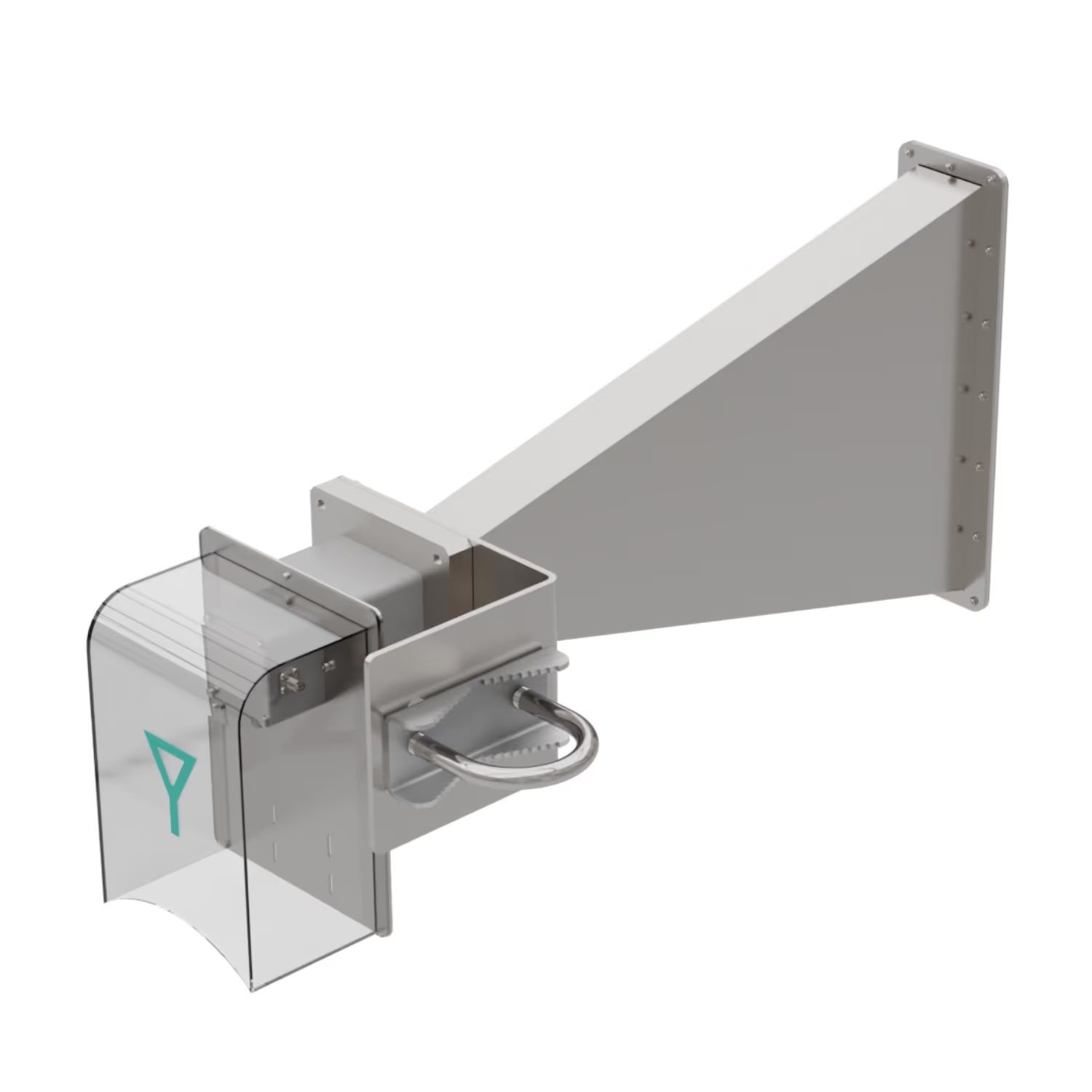
60° Asymmetrical Horn
antenna6 GHz5 GHz
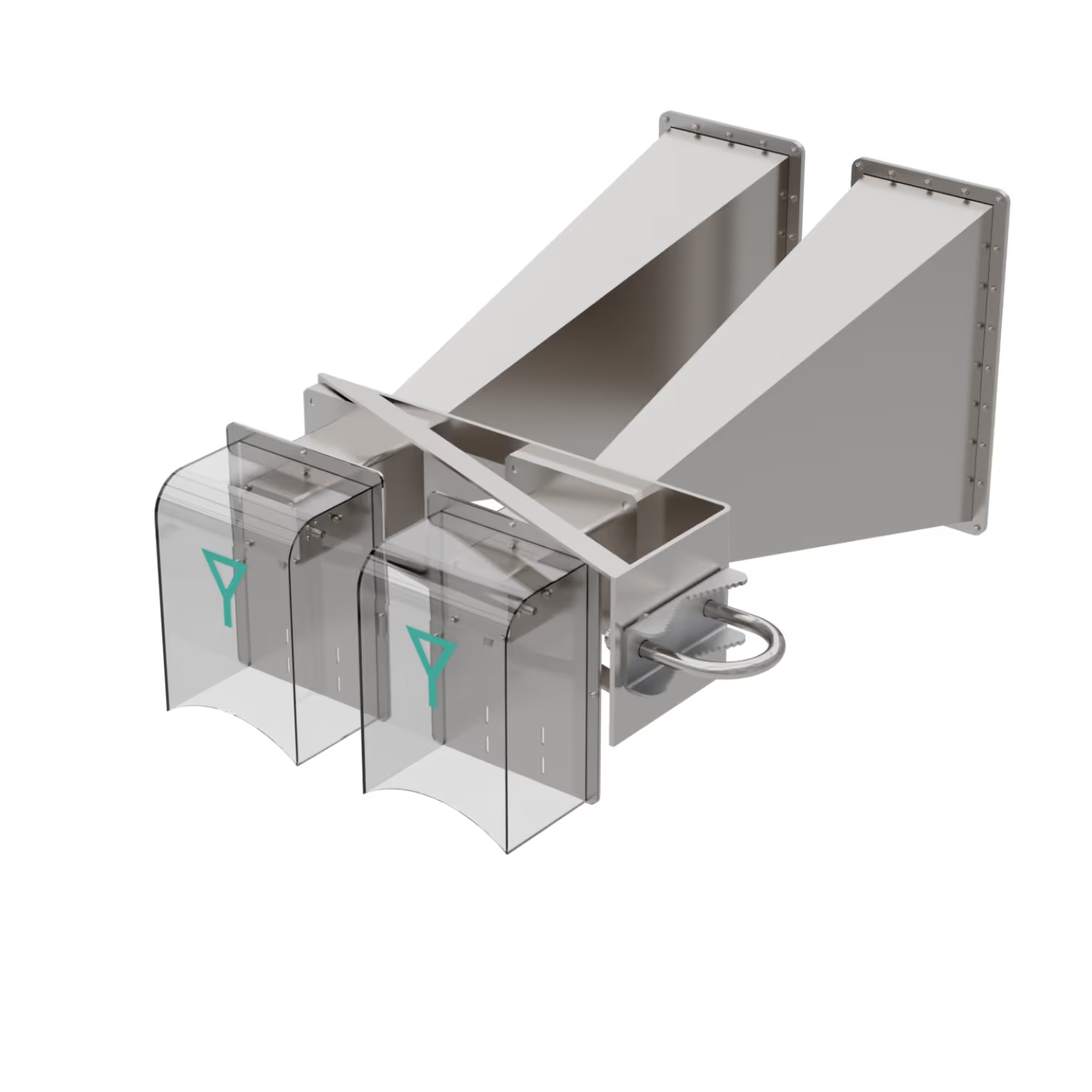
Double 20° Asymmetrical Horn 4x4
antenna6 GHz5 GHz
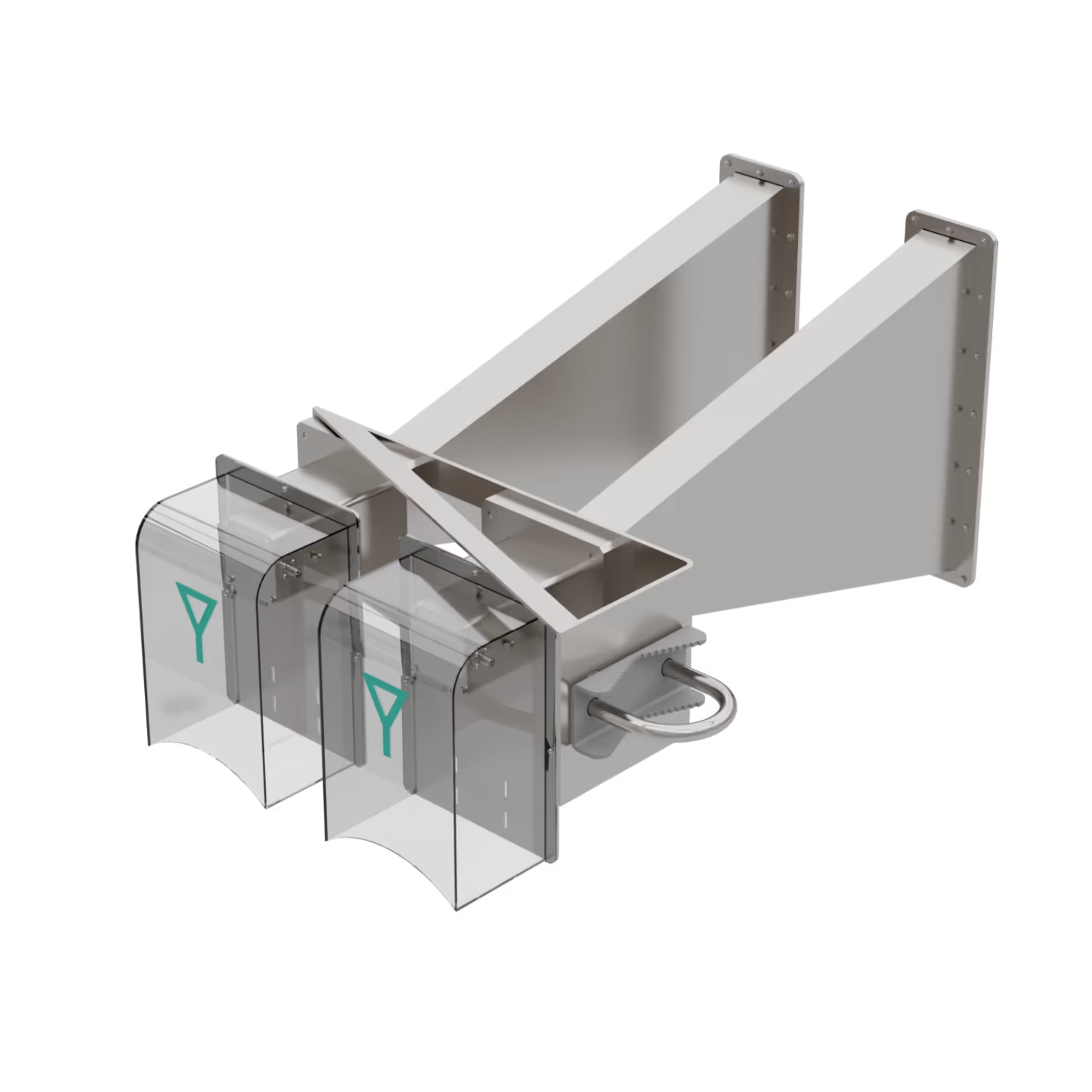
Double Asymmetrical 60° Horn 4x4
antenna6 GHz5 GHz
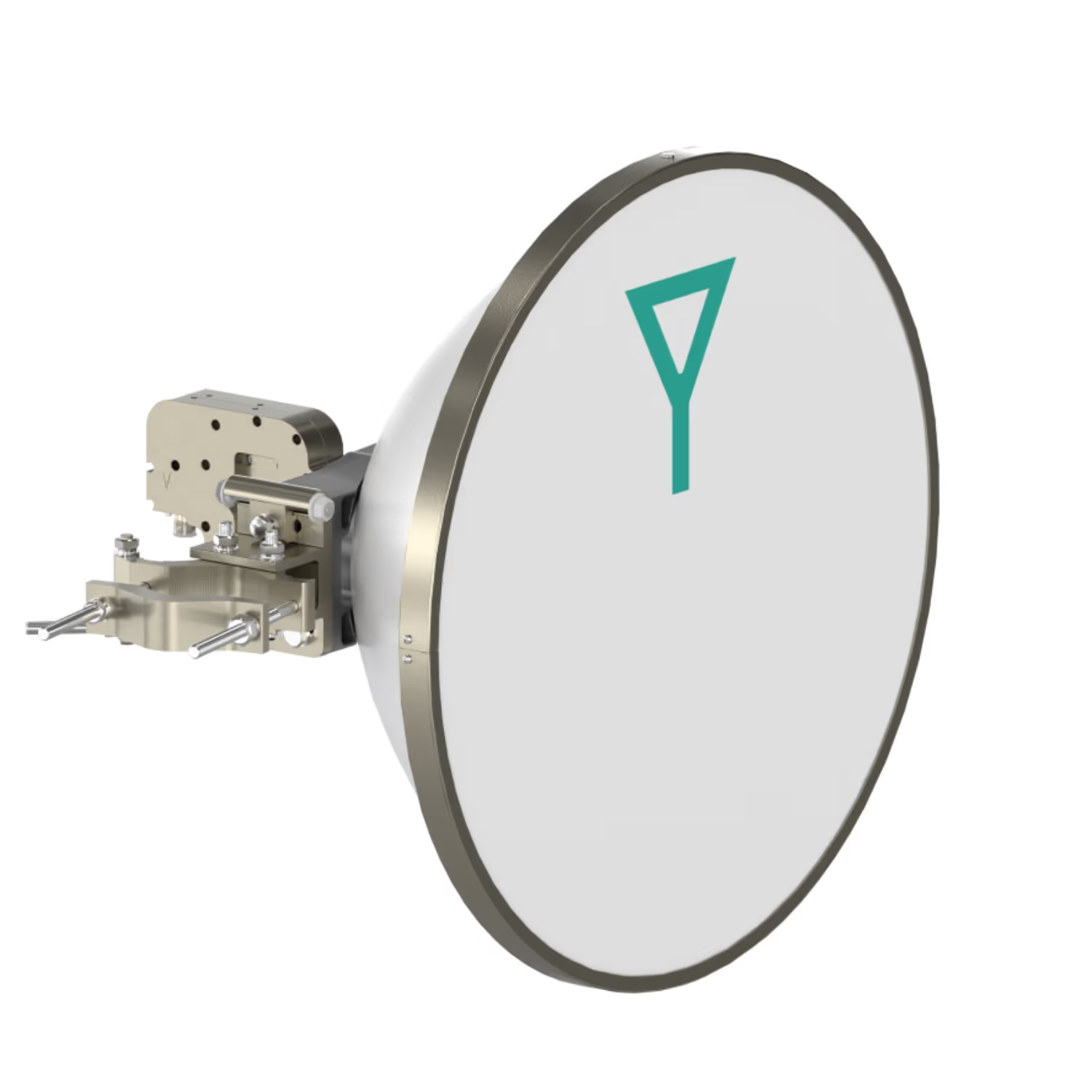
0.6m Dish High Performance
PTPbackhaulantenna
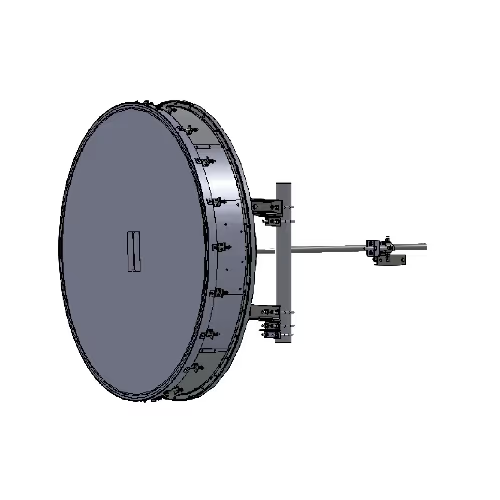
1.8m Dish High Performance
PTPbackhaulantenna
Reviews
Loading…
Quadplexer
Model Number: QUADPLEXER
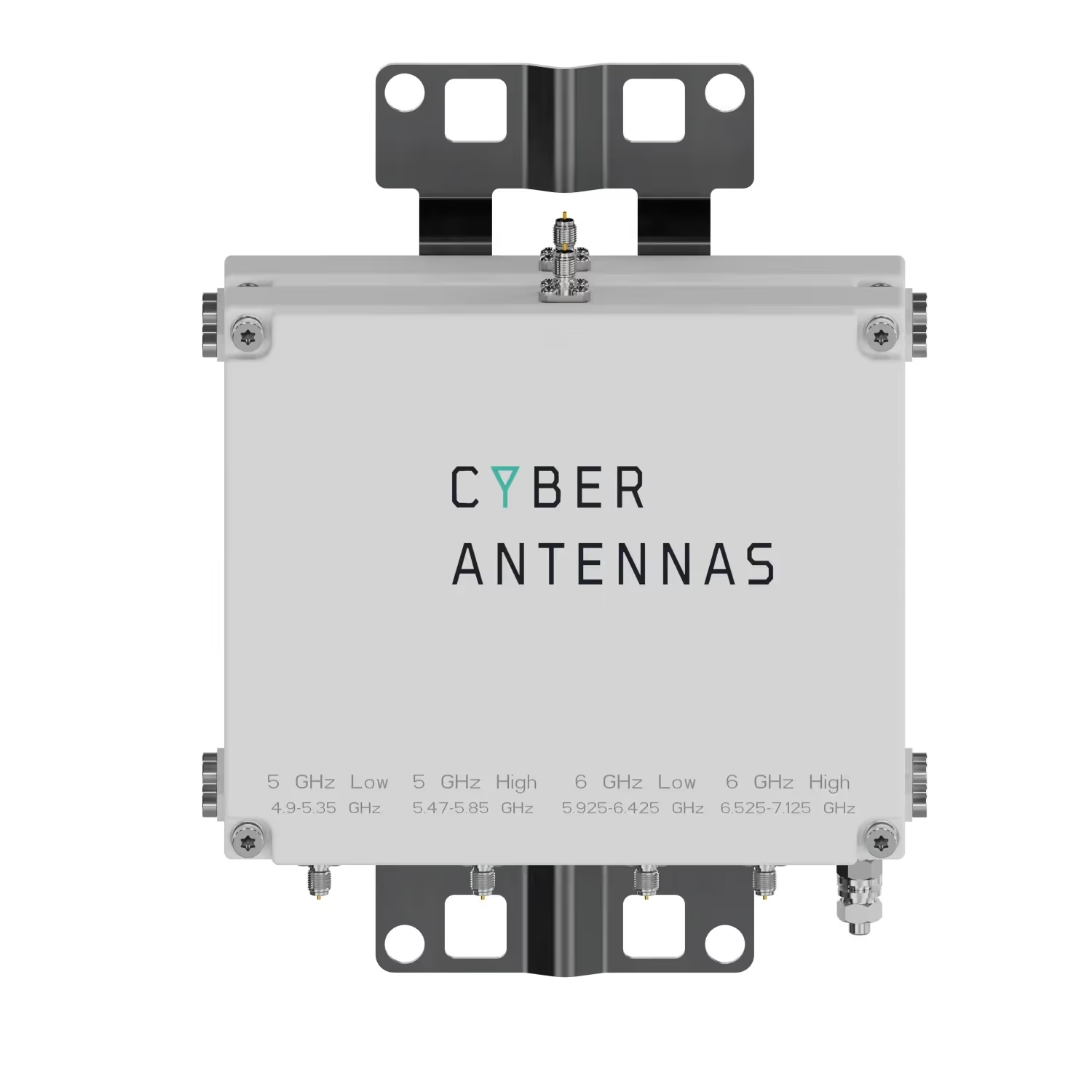
Combines four frequency bands (5 GHz low/high and 6 GHz low/high) onto one dual polarized wideband antenna.
Features
- Replaces four antennas with one
- 5 GHz Low (4.9 – 5.35 GHz)
- 5 GHz High (5.47 – 5.85 GHz)
- 6 GHz Low (5.925 – 6.425 GHz)
- 6 GHz High (6.525 – 7.125 GHz)
- Accelerates deployment
- Functions as a bandpass filter with rejection ≥40 dB
- Reduces wind load
- Saves antenna cost
- Lowers tower leasing expenses
- Low insertion loss (≤0.6 dB)
- Efficient VSWR (≤1.25)
- Excellent rejection (≥40 dB)
Shipping Specifications
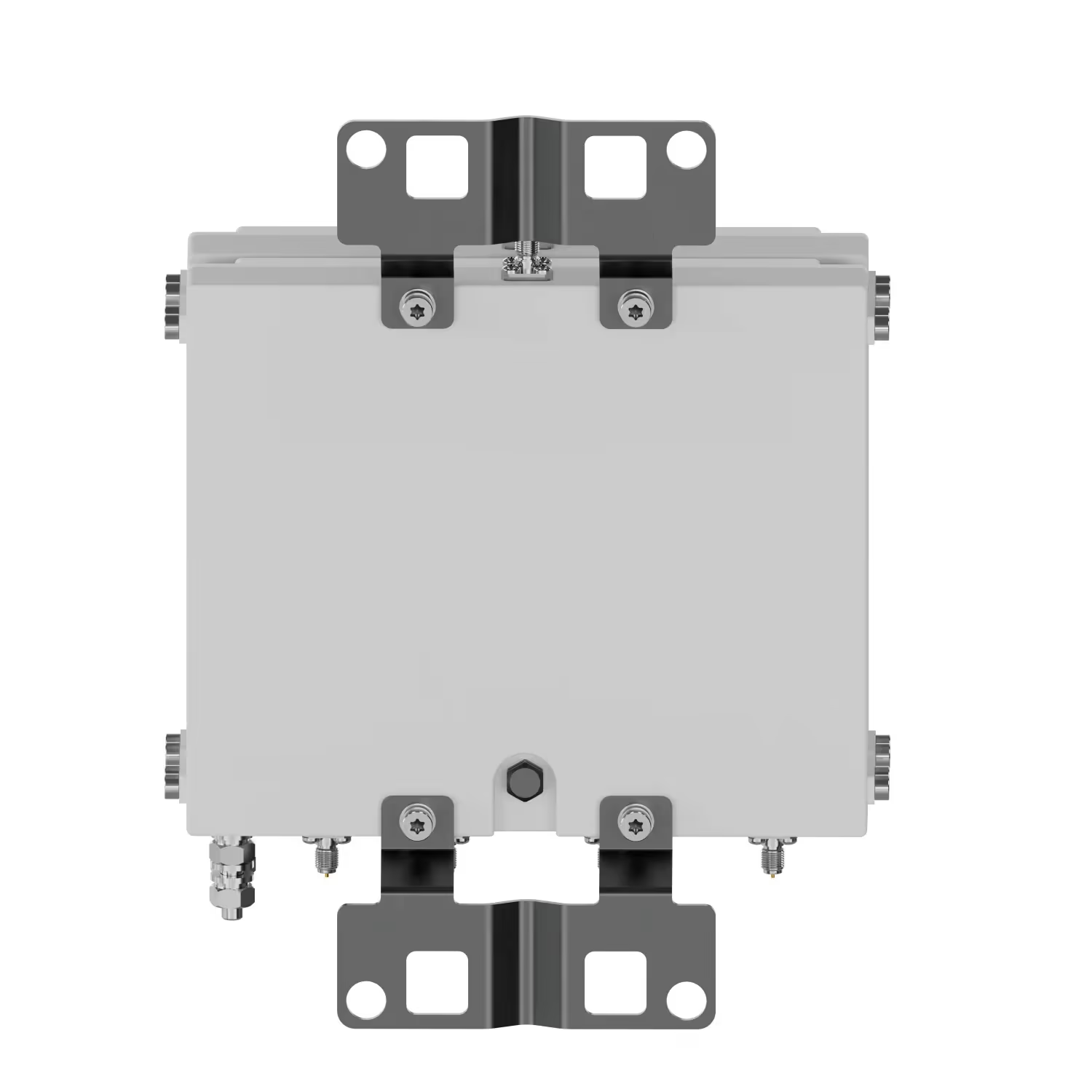
- •Dimensions (L×W×H): 356×254×114
- •Weight: 1.81kg
Warehouse availability
Los Angeles
In stock
4 available
Winncom CDMX
In stock
1 available