Overview
Details
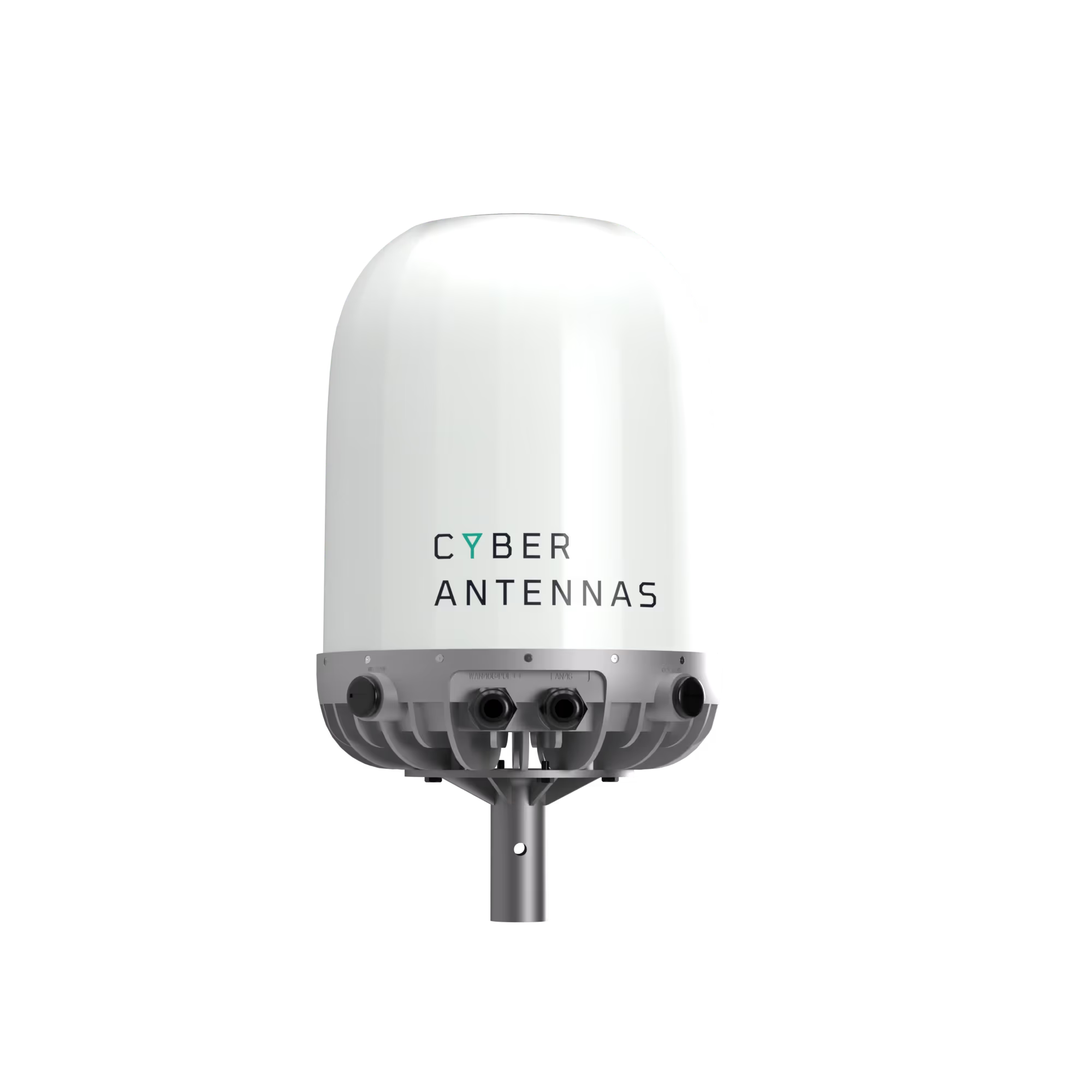
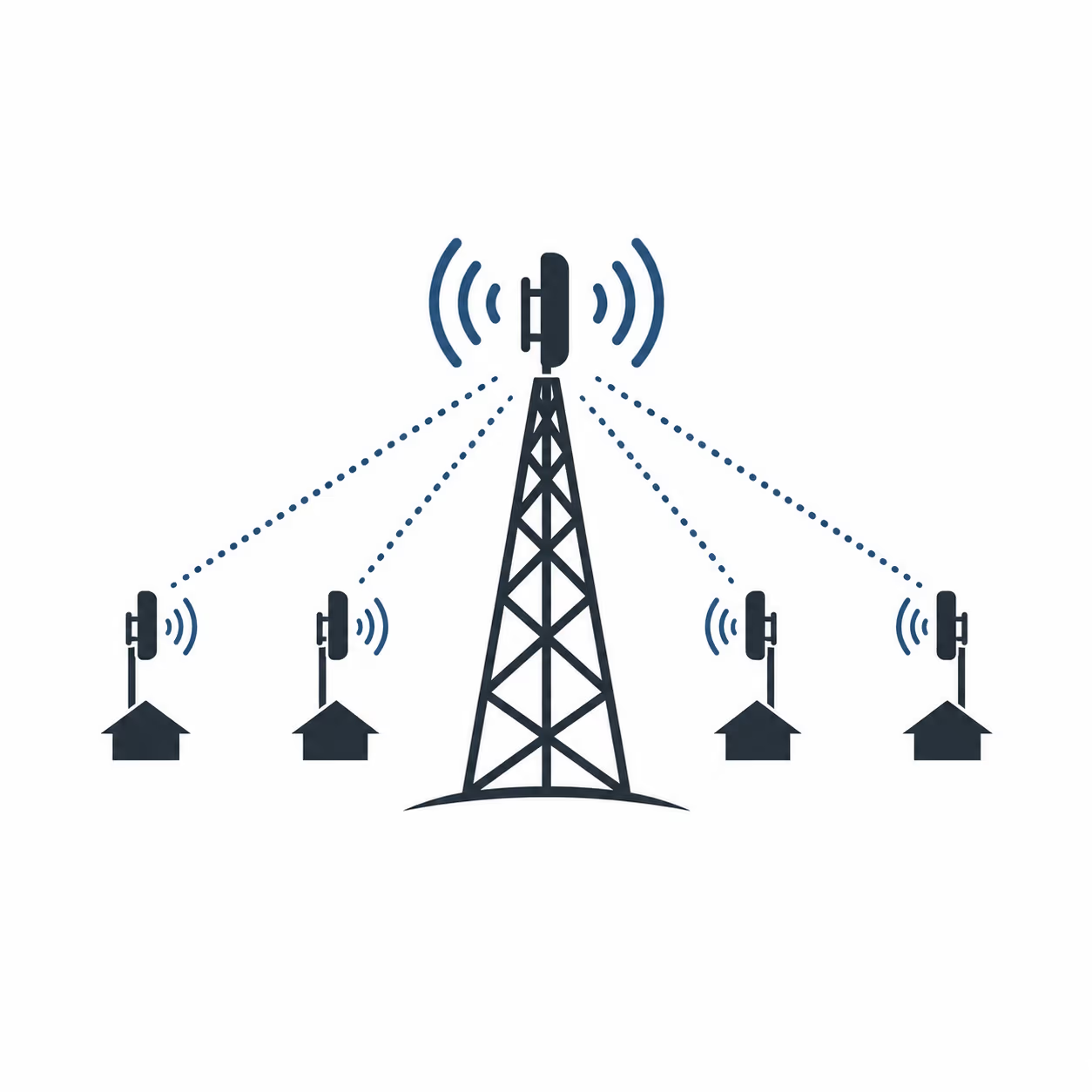
PtMP (Point-to-Multi-Point) architecture is one of the core technologies used by WISPs (Wireless Internet Service Providers) to deliver broadband connectivity across rural, suburban, and underserved areas without relying on underground fiber or cable infrastructure. In a typical PtMP deployment, a central Access Point (AP) or Base Station installed on a tower broadcasts internet connectivity to multiple subscriber locations simultaneously. These networks commonly use sector antennas or omnidirectional antennas to provide wide-area wireless coverage, allowing WISPs to efficiently serve many customers from a single tower location.
At the customer side, a Client Premises Equipment (CPE) antenna is mounted on a rooftop or exterior wall and aligned directly toward the WISP’s tower to establish a stable wireless connection. The CPE then bridges the signal to an indoor router, providing internet access throughout the home or business. PtMP networks are widely used because they are cost-effective, scalable, and faster to deploy compared to wired infrastructure, making them ideal for expanding internet availability in difficult-to-reach locations.
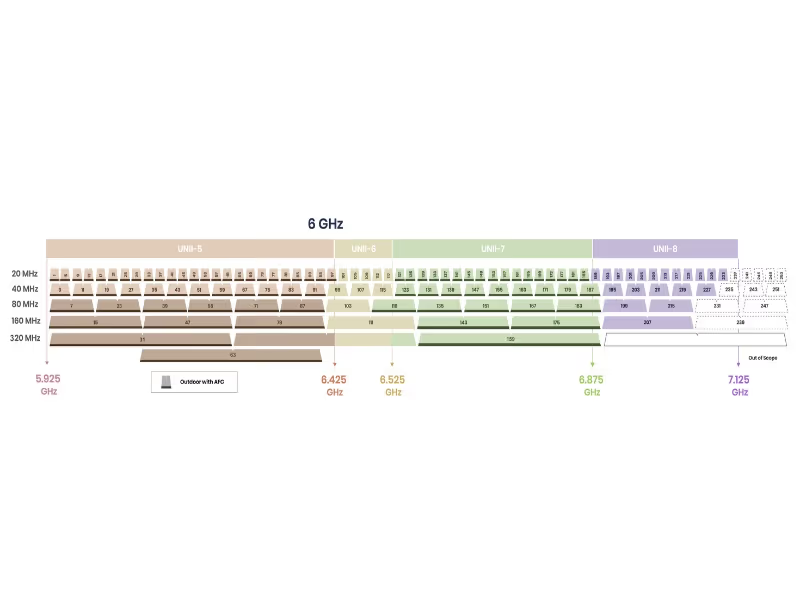
For reliable PtMP performance, maintaining clear Line of Sight (LOS) between the tower and subscriber antenna is essential, as obstacles such as trees, buildings, and terrain can weaken or block wireless signals. WISPs commonly operate on sub-6 GHz frequencies including 2.4 GHz, 5 GHz, 6 GHz, and CBRS bands, balancing coverage range, interference management, and throughput capacity.
Produits associés
Filtrer par tags
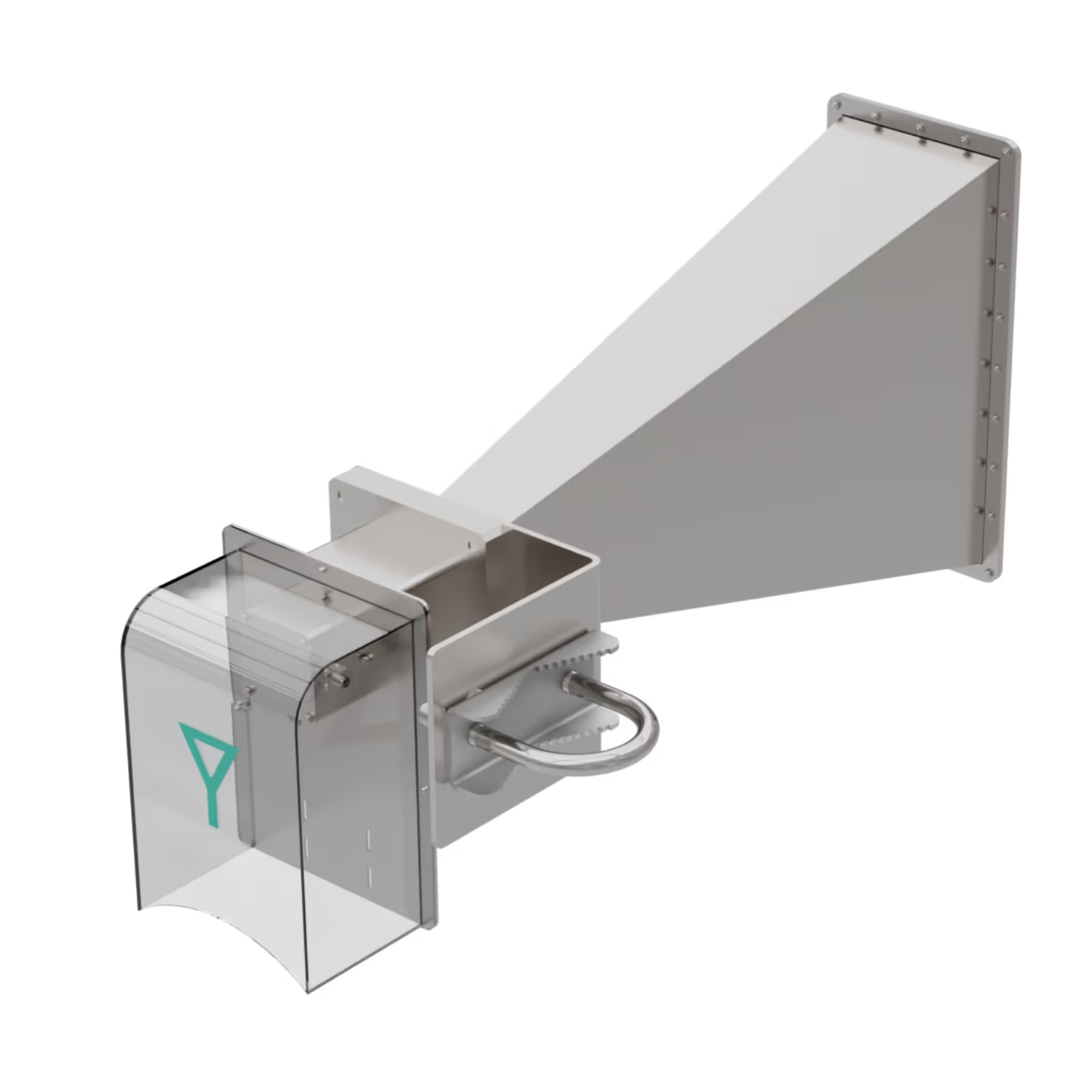
20° Asymmetrical Horn
Antenne cornet asymétrique 20-30° haute performance, légère et tout-en-un, fonctionnant sur les bandes 5 et 6 GHz, pour l'extension des réseaux WISP dans les environnements bruyants.
$299.00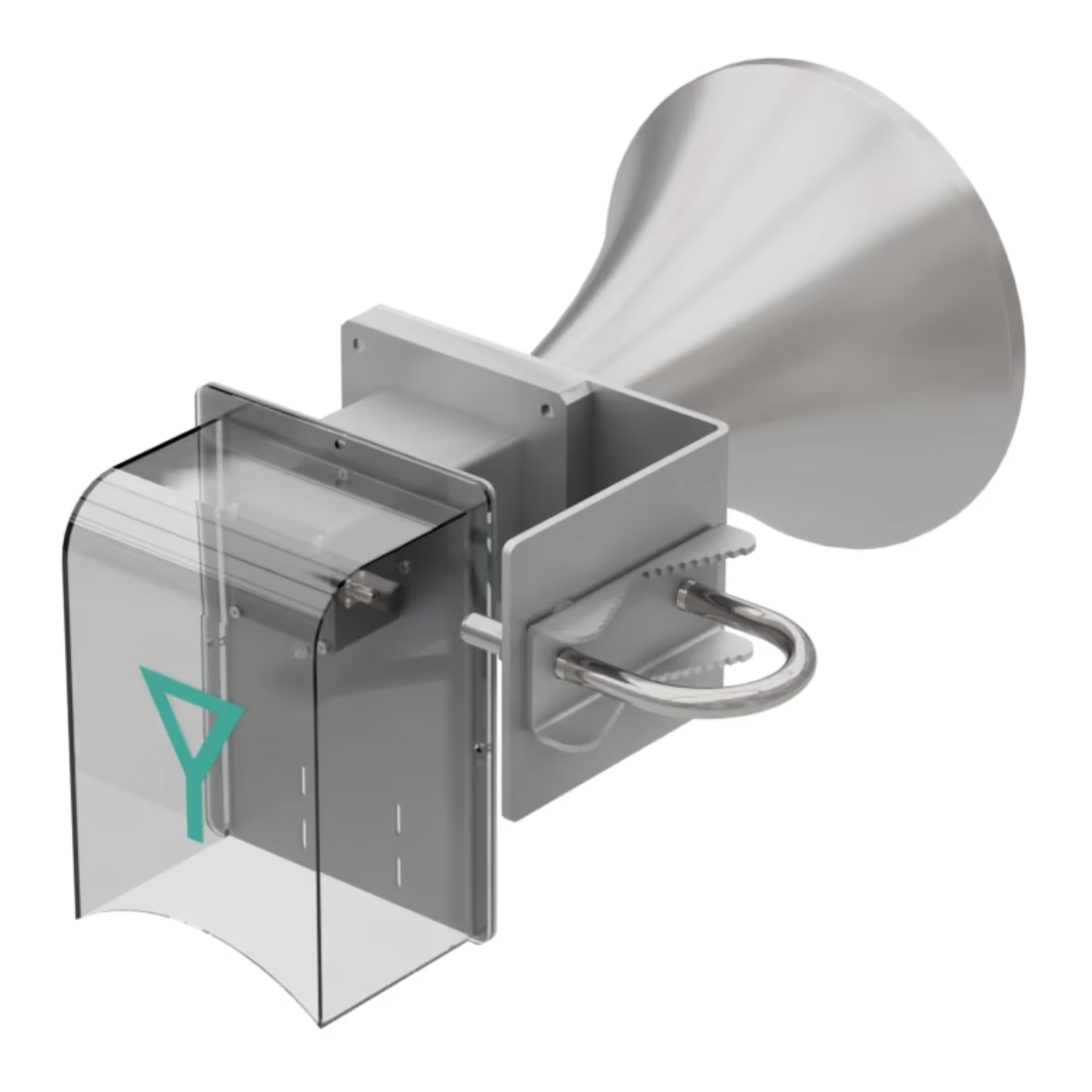
30° Symmetrical Horn
Antenne cornet symétrique 30° à large bande 5 et 6 GHz, haute performance, légère et complète
$279.00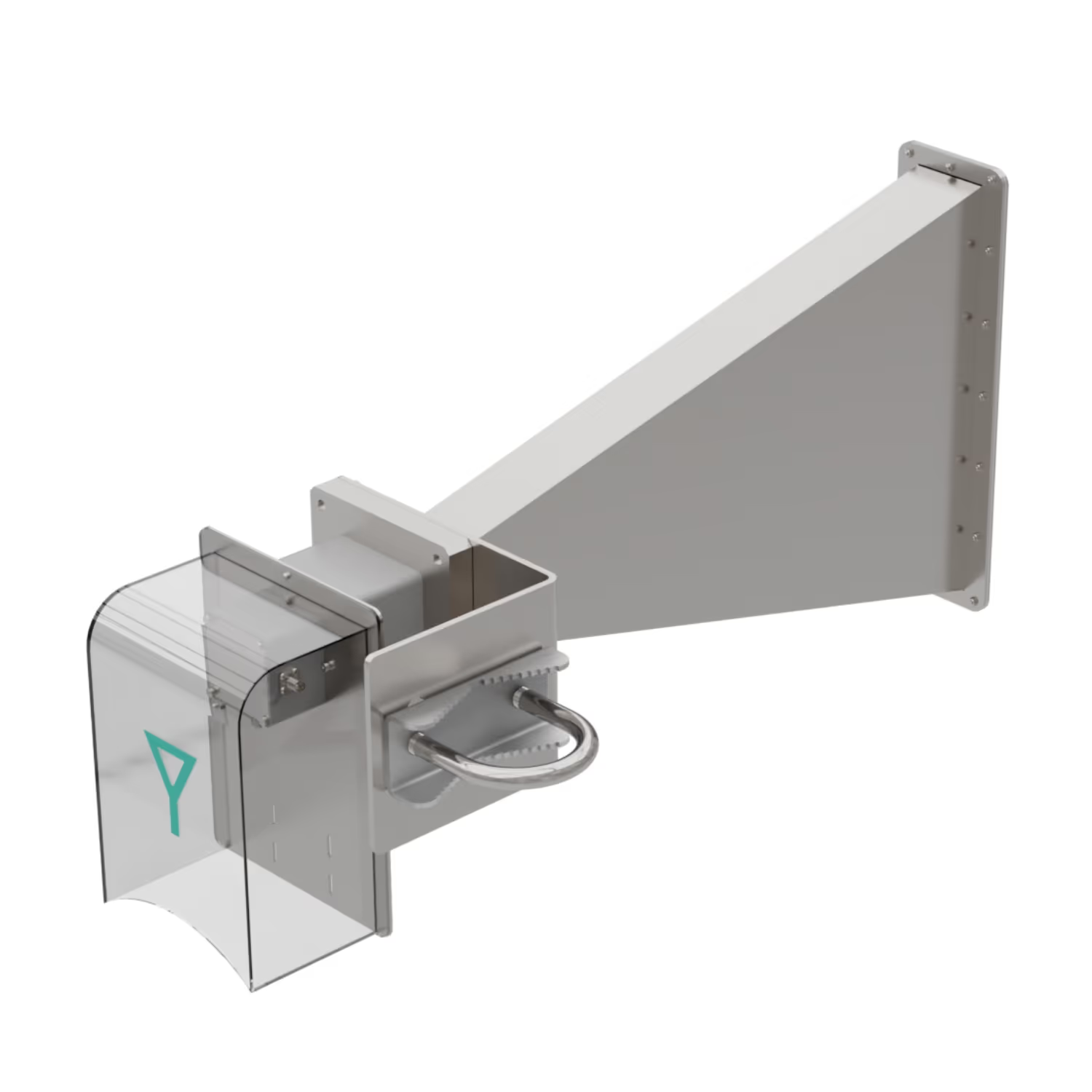
60° Asymmetrical Horn
Antenne cornet asymétrique 60° haute performance, légère et tout-en-un pour une couverture large bande 5 et 6 GHz avec une plateforme d'antenne WISP évolutive.
$299.00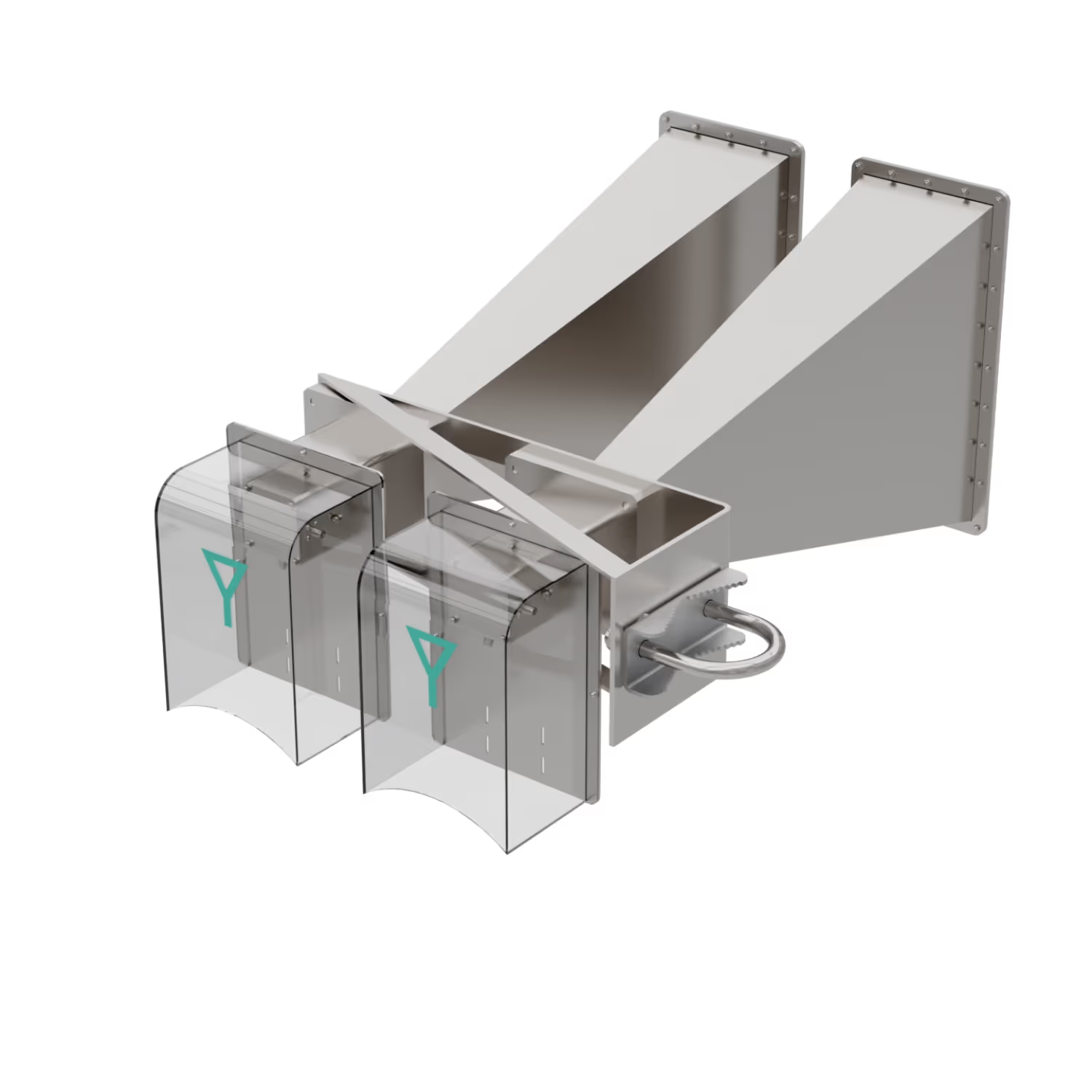
Double 20° Asymmetrical Horn 4x4
Antenne cornet asymétrique double 20-30° 4x4 haute performance, légère et tout-en-un, fonctionnant sur une large bande de 5 et 6 GHz, pour l'extension des réseaux WISP dans des environnements bruyants.
$498.00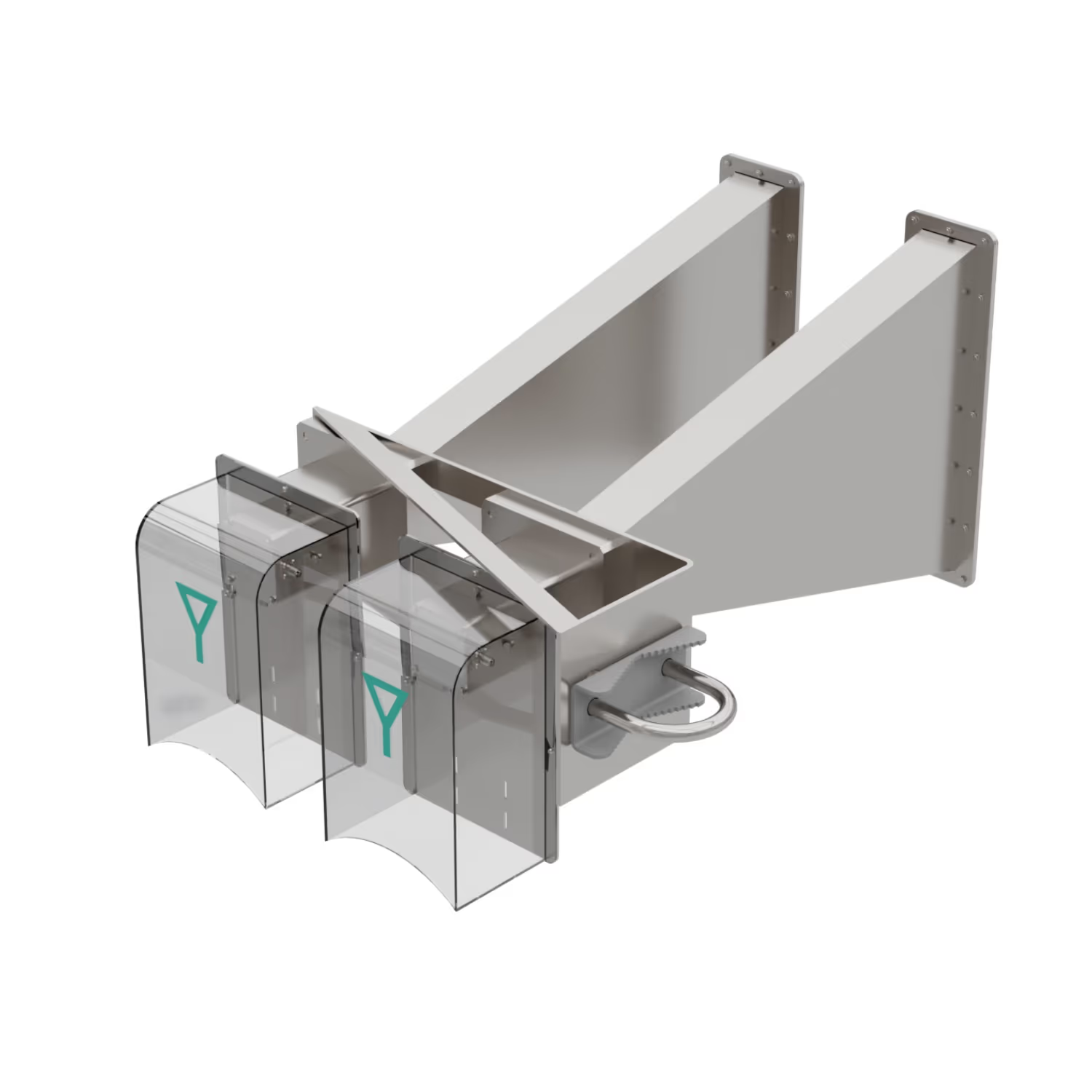
Double Asymmetrical 60° Horn 4x4
Antenne cornet double asymétrique 60° 4x4 haute performance, légère et complète pour une couverture large bande 5 et 6 GHz
$498.00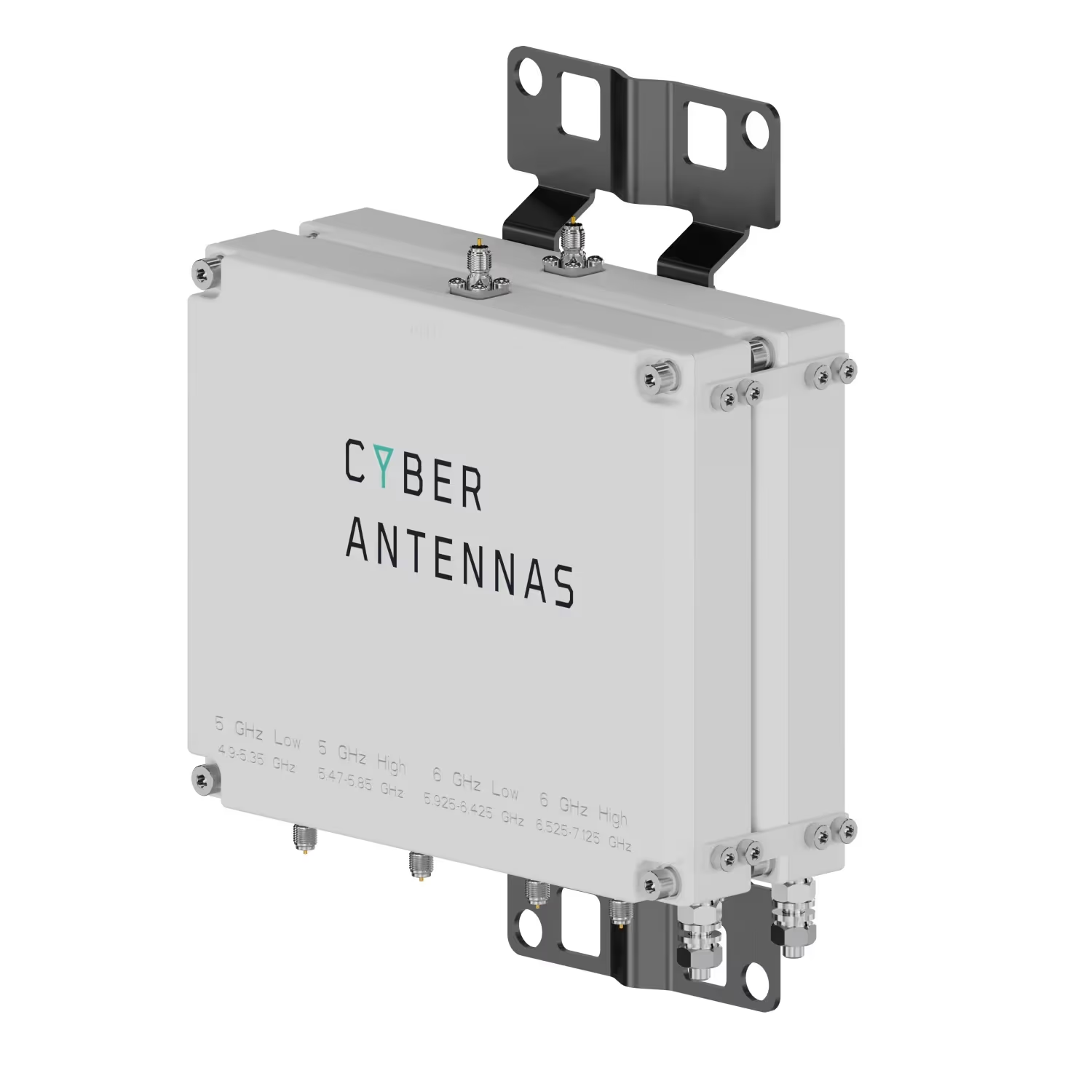
Quadplexer
Combine quatre bandes de fréquences (5 GHz basse/haute et 6 GHz basse/haute) sur une seule antenne à large bande à double polarisation.
$799.00