Overview
Details
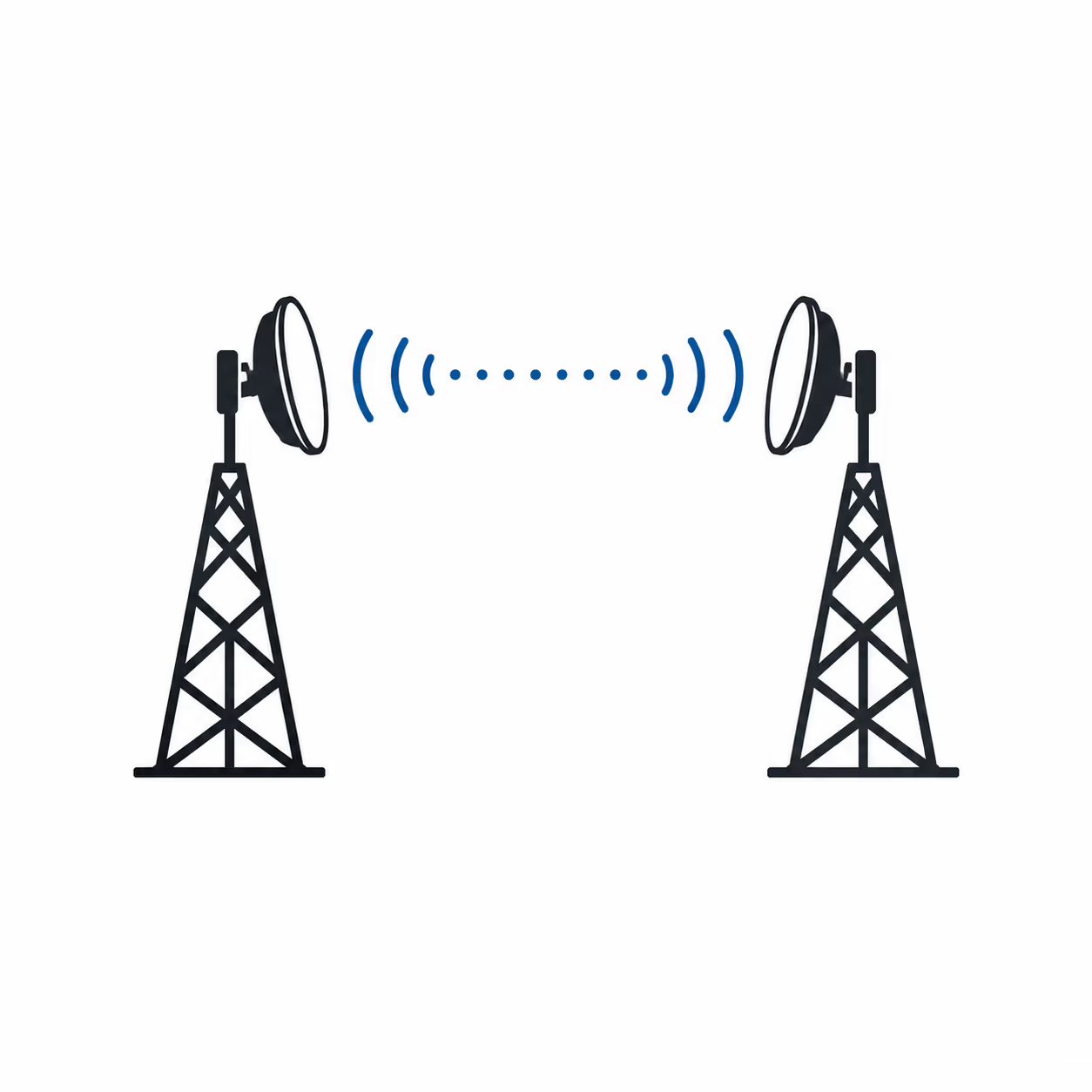
In WISP (Wireless Internet Service Provider) networks, wideband refers to wireless equipment, antennas, or radios that can operate across a broad range of frequencies instead of being limited to a single frequency band. This gives network operators greater flexibility when building, upgrading, and expanding wireless infrastructure. Wideband technology is commonly used in Point-to-Point (PTP) backhaul links, Point-to-Multipoint (PTMP) sectors, subscriber connections, and relay deployments where reliable and high-capacity wireless performance is required.
Wideband solutions help WISPs support multiple frequency ranges such as 5 GHz and 6 GHz while improving overall network efficiency. By operating across wider frequency ranges, WISPs can select cleaner channels, reduce interference, and optimize spectrum usage in crowded RF environments. This also allows operators to adapt more easily to changing network demands without replacing large amounts of hardware.
Wideband antennas and radios are especially valuable for long-distance wireless links, dense urban deployments, and rural broadband coverage where flexibility and performance are important. They help deliver stronger and more stable connections while supporting higher throughput and scalable network growth. In simple terms, wideband technology gives WISPs a more flexible and efficient way to build modern wireless networks.
Productos relacionados
Filtrar por etiquetas
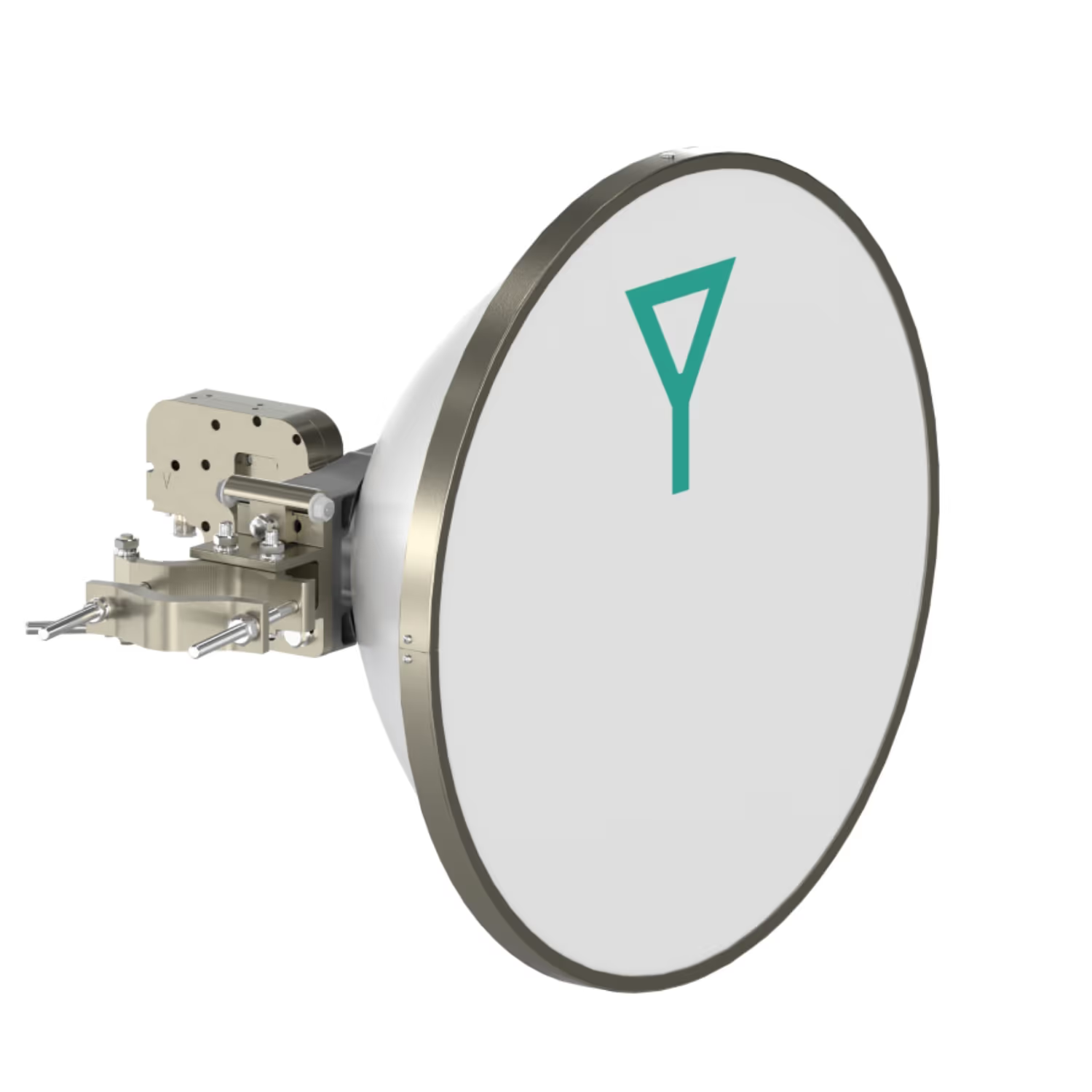
0.6m Dish High Performance
La antena Dish High Performance de 0,6 m es una antena de retorno por microondas de banda ancha (4,9-7,125 GHz) de alto rendimiento (HP).
$499.00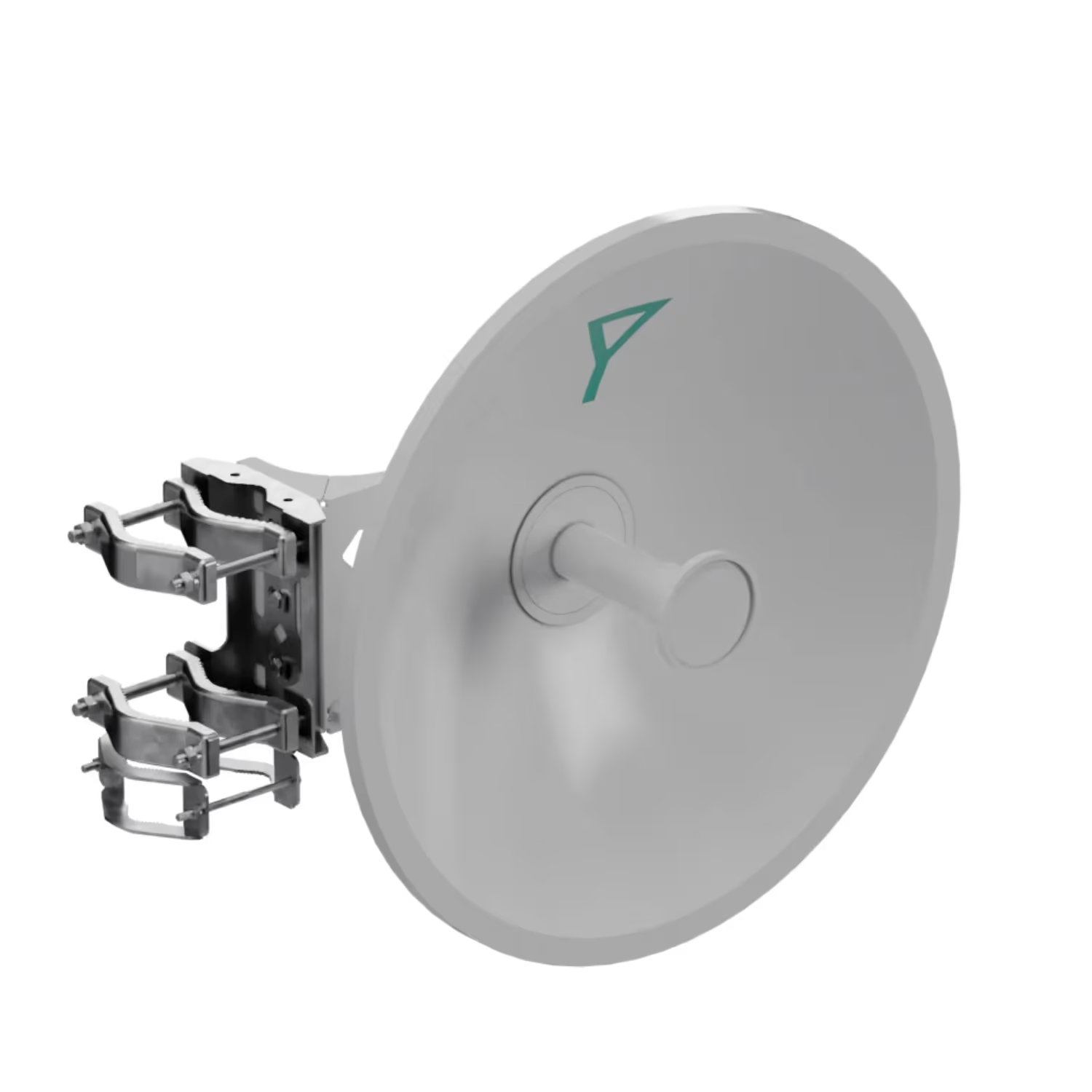
0.6m Dish Mimosa B6x Twist-on 2-pack
Diseñado para envíos económicos y conexión directa a radios Mimosa B6x, B5x, C6x y C5x, eliminando la pérdida de conversión en enlaces de 0 a 10 km. Ambas antenas están incluidas en el precio.
$398.00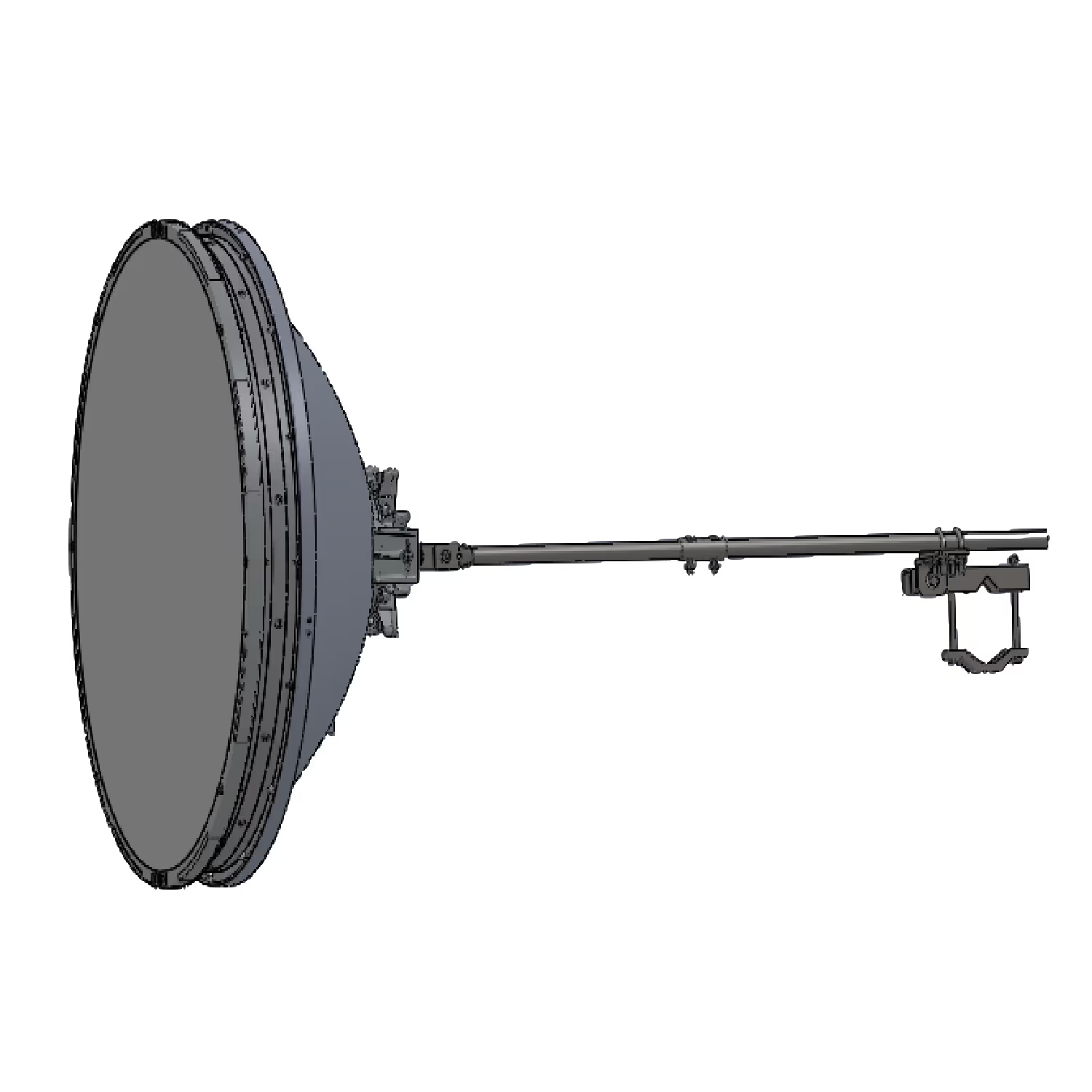
0.9m Dish High Performance
La antena parabólica de alto rendimiento de 0,9 m es una antena de enlace de retorno de microondas de banda ancha (4,9-7,125 GHz) de alto rendimiento (HP) para enlaces inalámbricos multigigabit de 10 a 20 km.
$899.00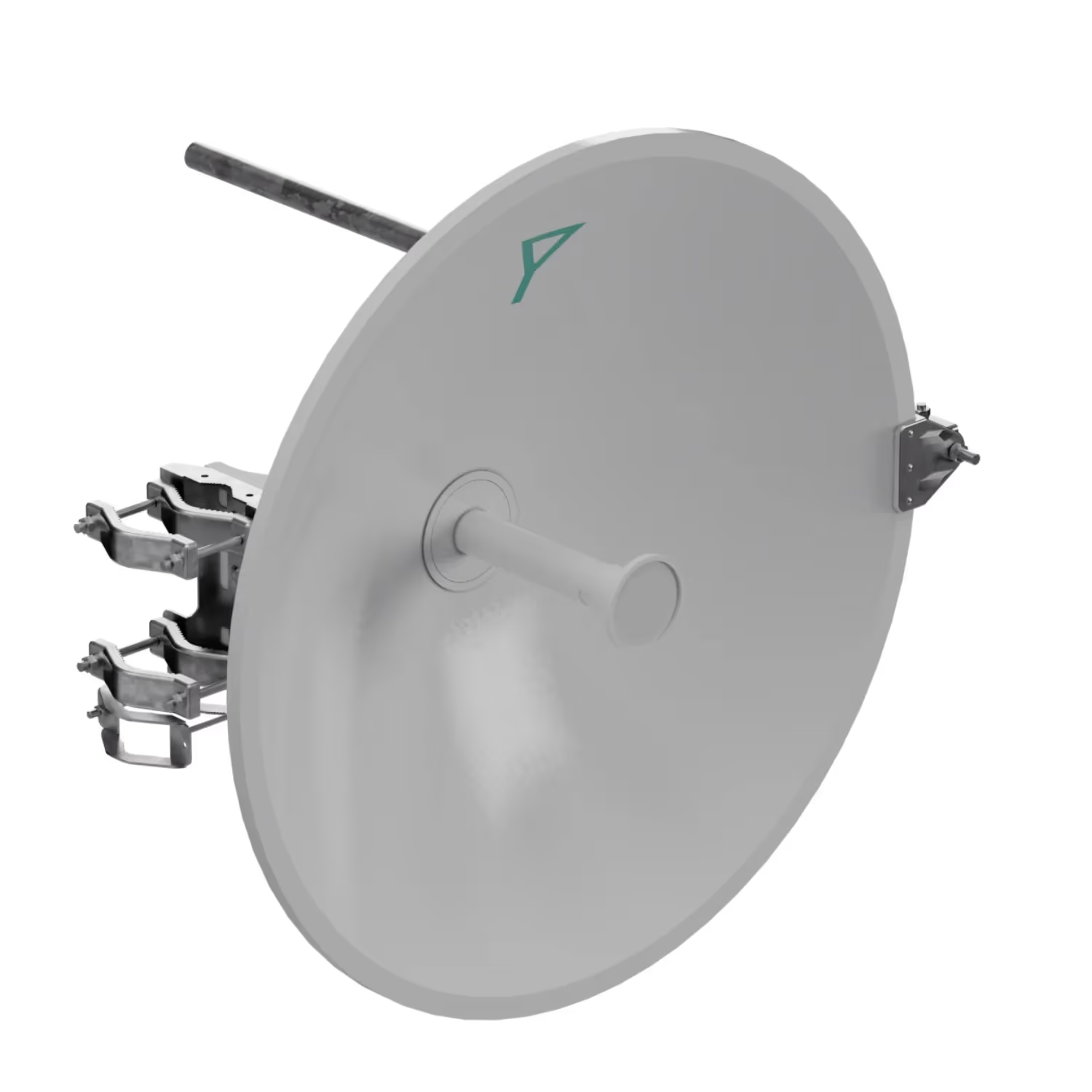
0.9m Dish Mimosa B6x Twist-on 2-pack
Diseñado para un envío rentable y conexión directa con radios Mimosa B6x, B5x, C6x y C5x, elimina las pérdidas de conversión en enlaces de 10 a 20 km. Ambas antenas están incluidas en el precio.
$798.000.9m Dish RP-SMA 2-pack
Paquete de 2 antenas parabólicas de 0,9 m (3 pies) para 5 y 6 GHz, diseñadas para un envío económico y conexión directa a radios Ubiquiti, Cambium y Mimosa sin pérdida de conversión para enlaces de hasta 20-40 km. El precio incluye ambas antenas.
$798.00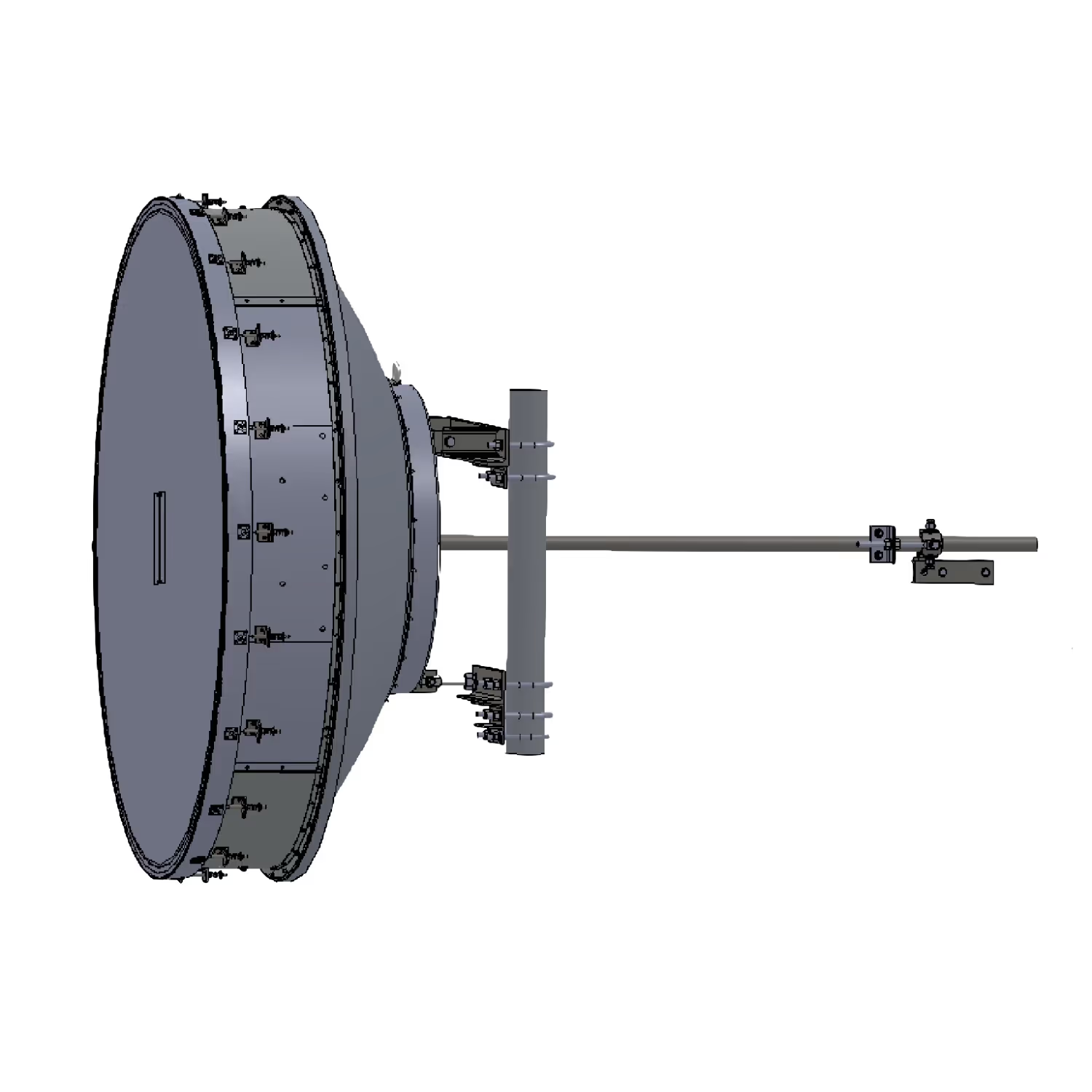
1.2m Dish High Performance
La antena parabólica de alto rendimiento de 1,2 m es una antena de enlace de retorno de microondas de banda ancha (4,9-7,125 GHz) de alto rendimiento (HP) para enlaces inalámbricos multigigabit de 20 a 40 km.
$1,299.00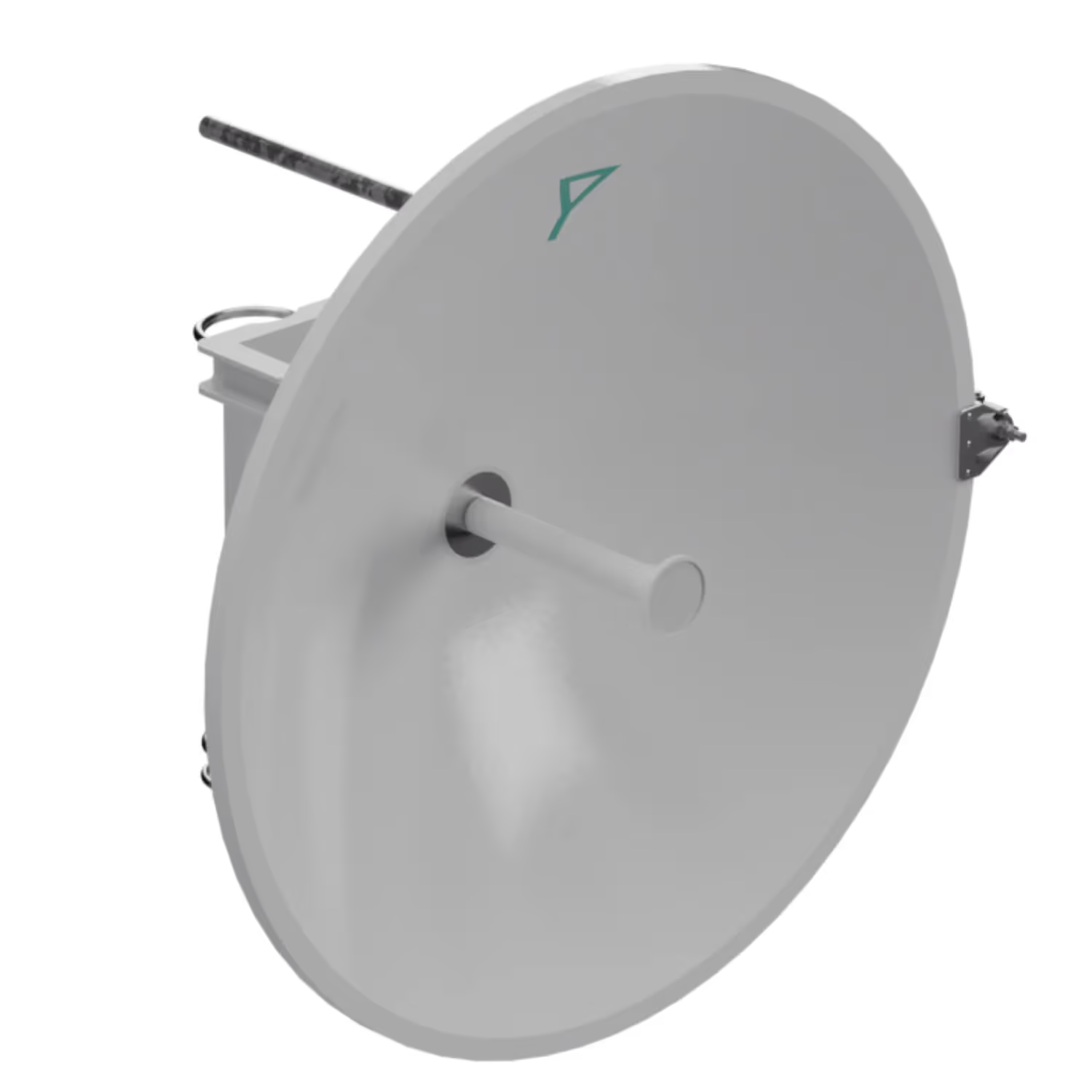
1.2m Dish Mimosa B6x Twist-on 2-pack
Diseñado para un envío económico y para conectar directamente a radios Mimosa B6x/B5x/C6x/C5x sin pérdida de conversión para enlaces de hasta 20-40 km. Ambas antenas están incluidas en el precio.
$998.001.2m Dish RP-SMA 2-pack
Paquete de 2 antenas parabólicas de 1,2 m (4 pies) para 5 y 6 GHz, diseñadas para un envío económico y conexión directa a radios Ubiquiti, Cambium y Mimosa sin pérdida de conversión para enlaces de hasta 20-40 km. El precio incluye ambas antenas.
$998.00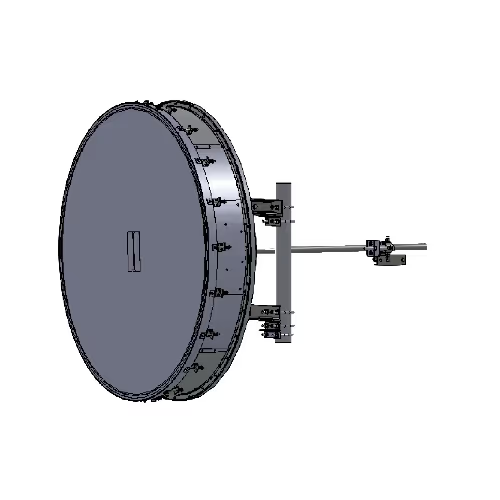
1.8m Dish High Performance
La antena parabólica de alto rendimiento de 1,8 m es una antena de enlace de retorno de microondas de banda ancha (4,9-7,125 GHz) de alto rendimiento (HP) para enlaces inalámbricos multigigabit de 40 a 80 km.
$2,999.00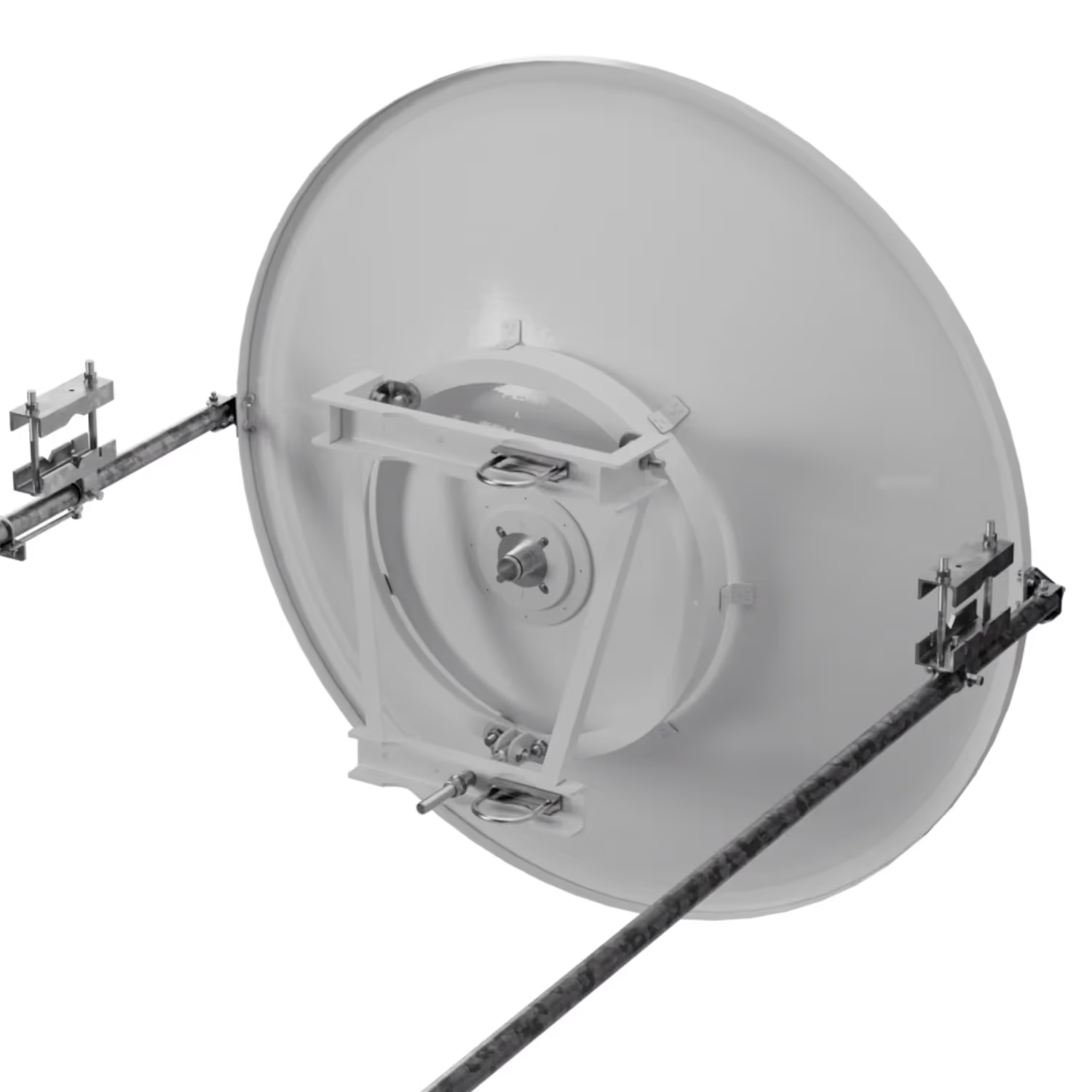
1.8m Dish Mimosa B6x Twist-on 2-pack
Diseñado para envíos económicos y conexión directa sin problemas a radios Mimosa B6x/B5x/C6x/C5x, sin pérdida de conversión para enlaces de hasta 40-80 km. Ambas antenas están incluidas en el precio.
$3,998.001.8m Dish RP-SMA 2-pack
Diseñado para envíos económicos y una conexión directa y sin problemas a radios RP-SMA 2x2 para enlaces de hasta 40-80 km. Ambas antenas están incluidas en el precio.
$3,998.00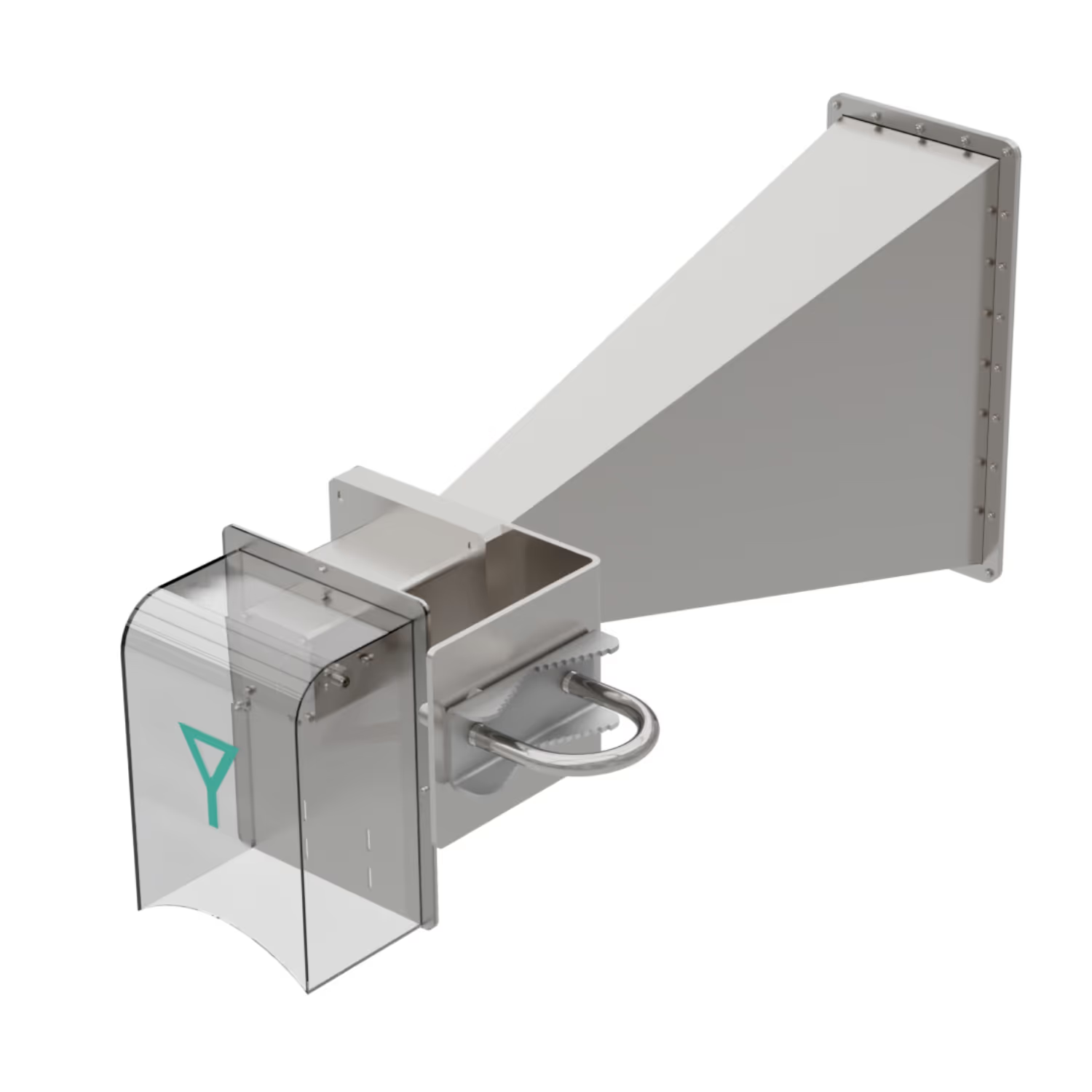
20° Asymmetrical Horn
Antena de bocina asimétrica de banda ancha de 20-30° de alto rendimiento, ligera y todo incluido, para 5 y 6 GHz, diseñada para ampliar las redes WISP en entornos ruidosos.
$299.00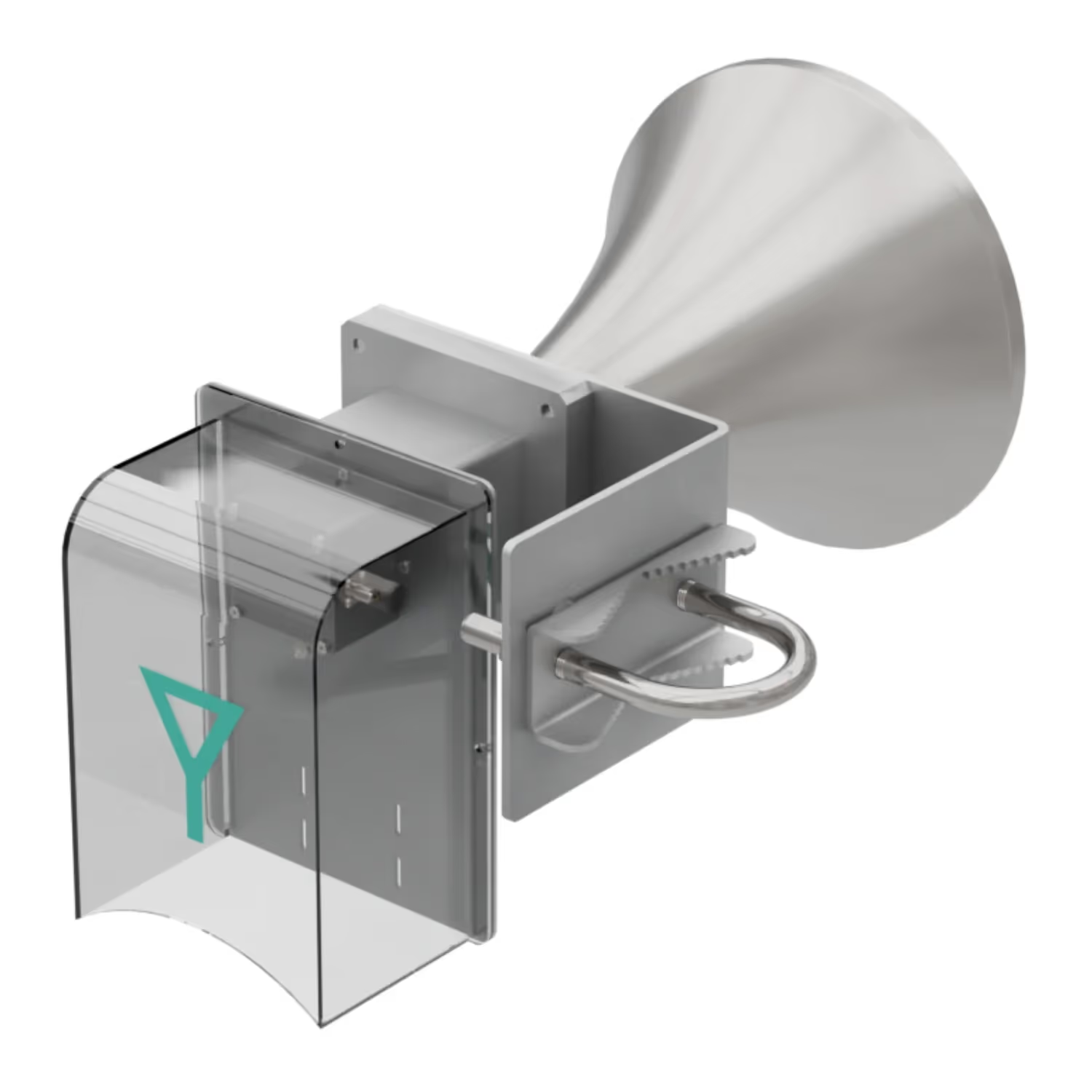
30° Symmetrical Horn
Antena de bocina simétrica de 30° de banda ancha de 5 y 6 GHz, todo incluido, ligera y de alto rendimiento
$279.00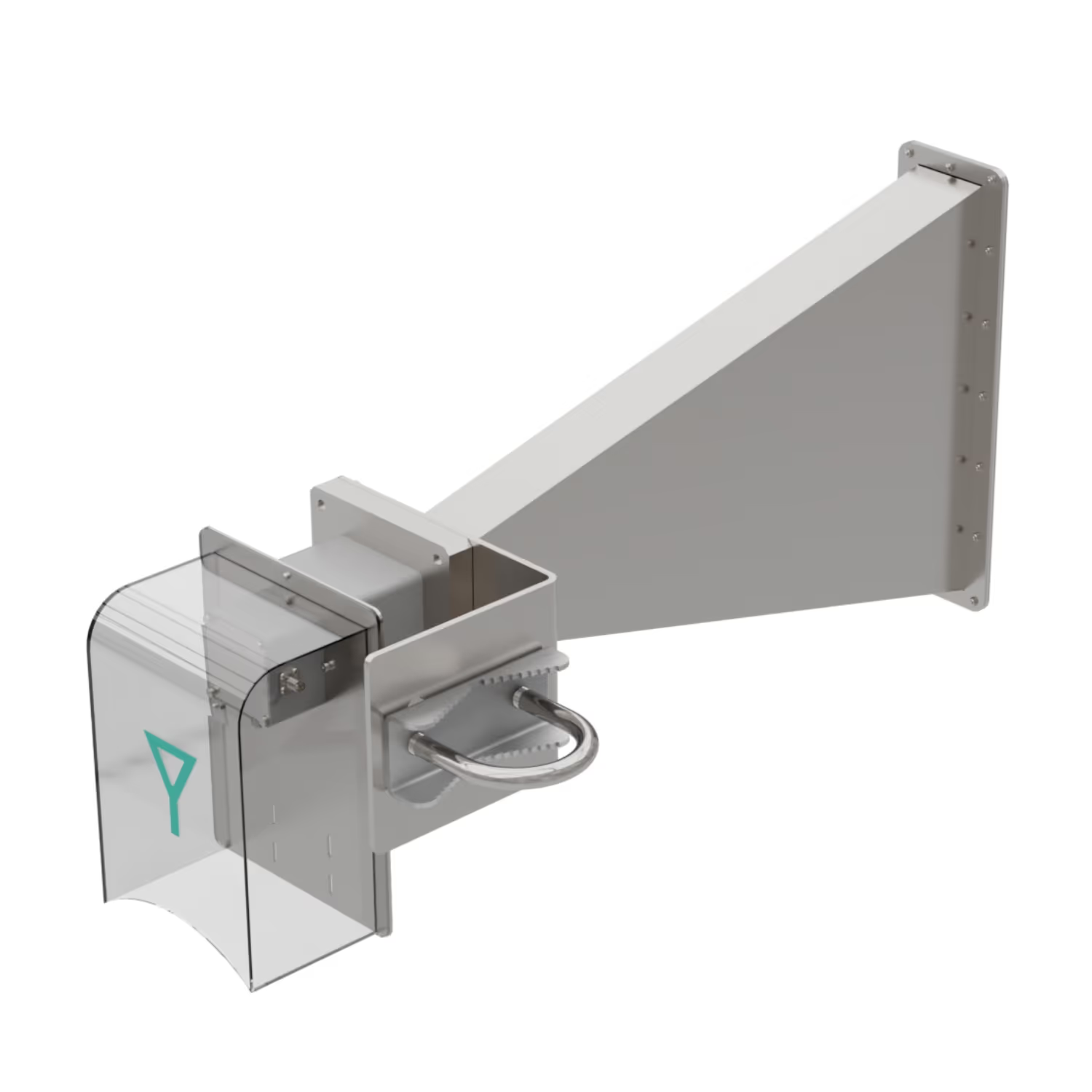
60° Asymmetrical Horn
Antena de bocina asimétrica de 60°, todo incluido, liviana y de alto rendimiento para brindar cobertura de banda ancha de 5 y 6 GHz con una plataforma de antena WISP escalable.
$299.00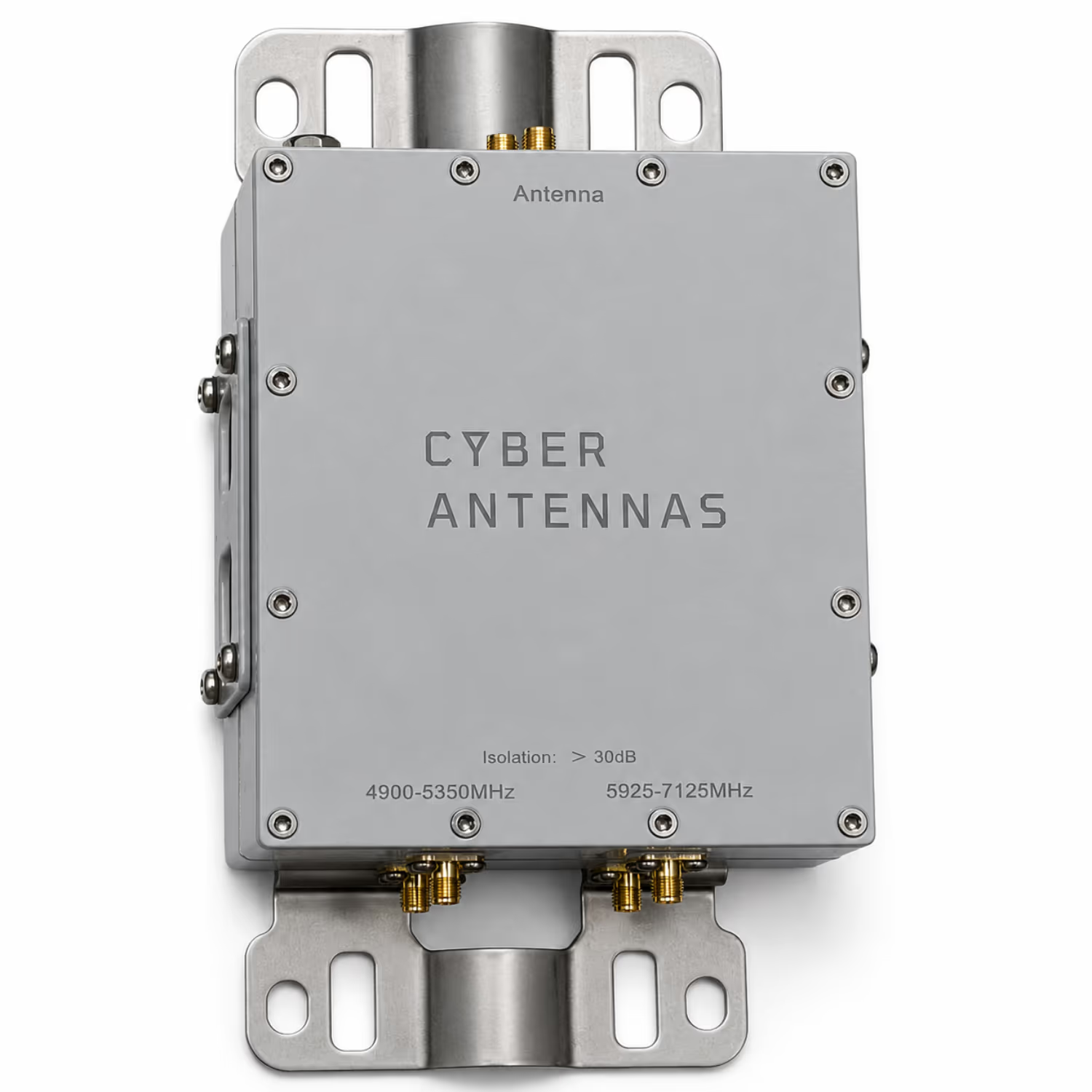
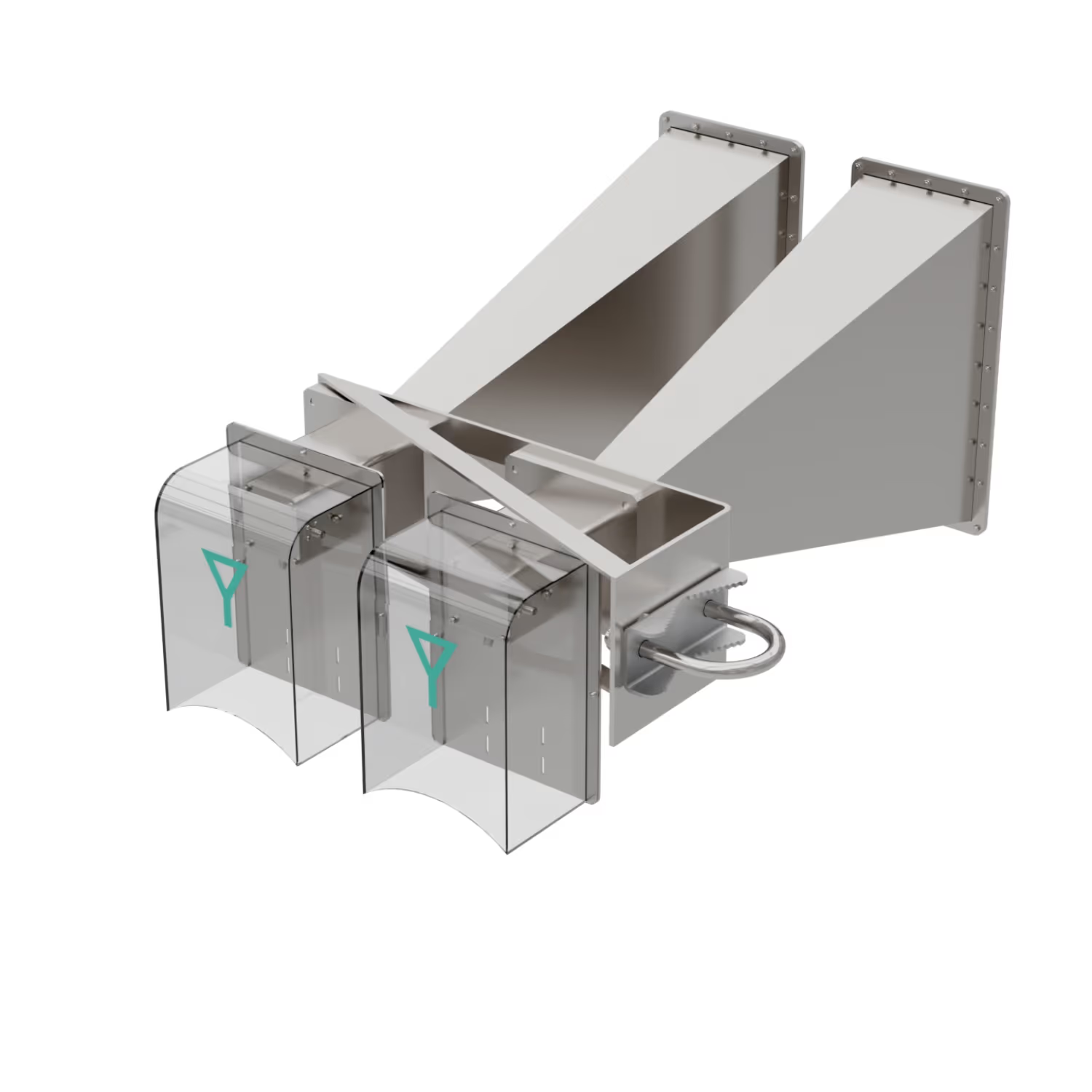
Double 20° Asymmetrical Horn 4x4
Antena de bocina doble asimétrica 4x4 de banda ancha de 5 y 6 GHz, de alto rendimiento, ligera y todo incluido, con rango de 20-30°, para ampliar las redes WISP en entornos ruidosos.
$498.00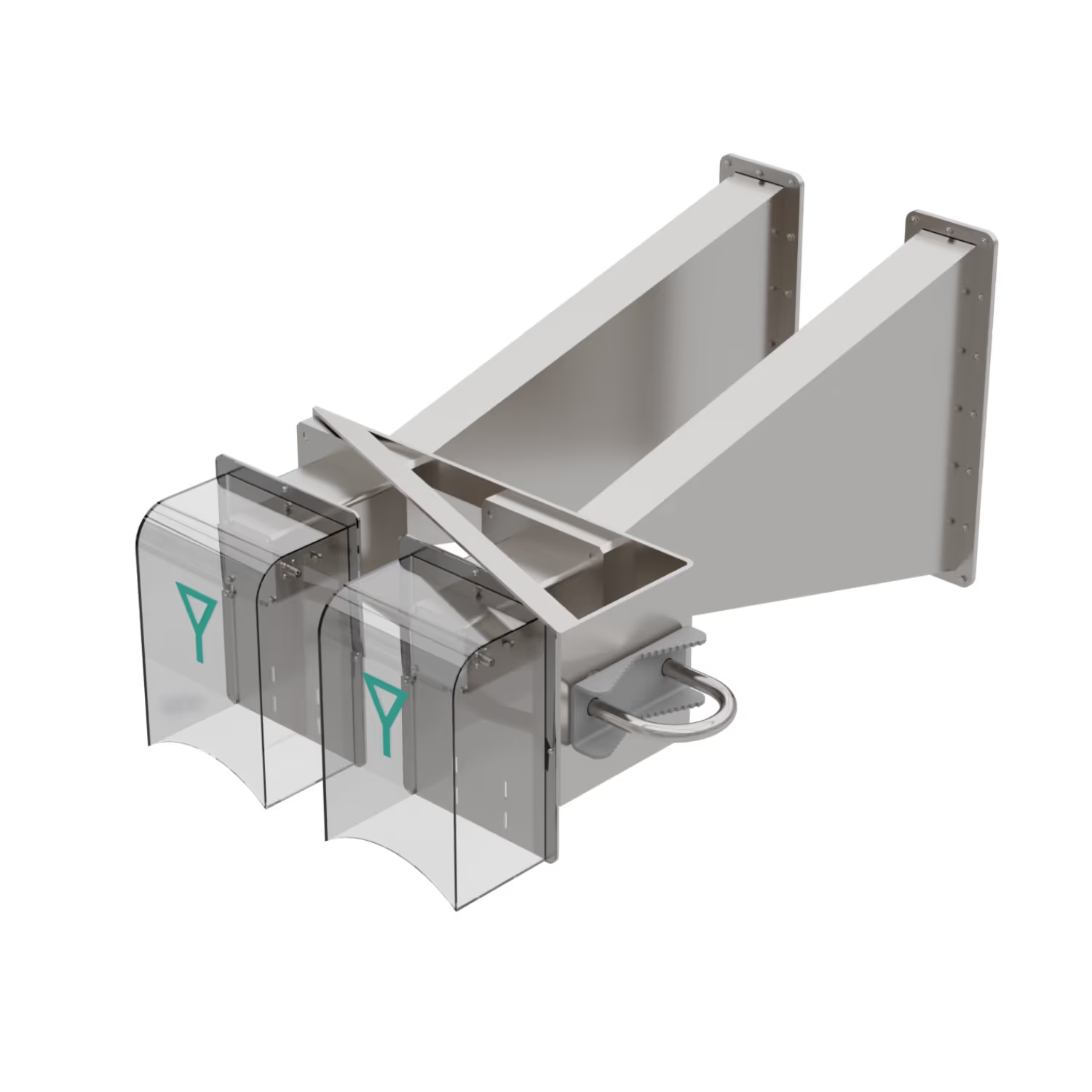
Double Asymmetrical 60° Horn 4x4
Antena 4x4 de bocina doble asimétrica de 60°, ligera, todo incluido y de alto rendimiento para brindar cobertura de banda ancha de 5 y 6 GHz
$498.00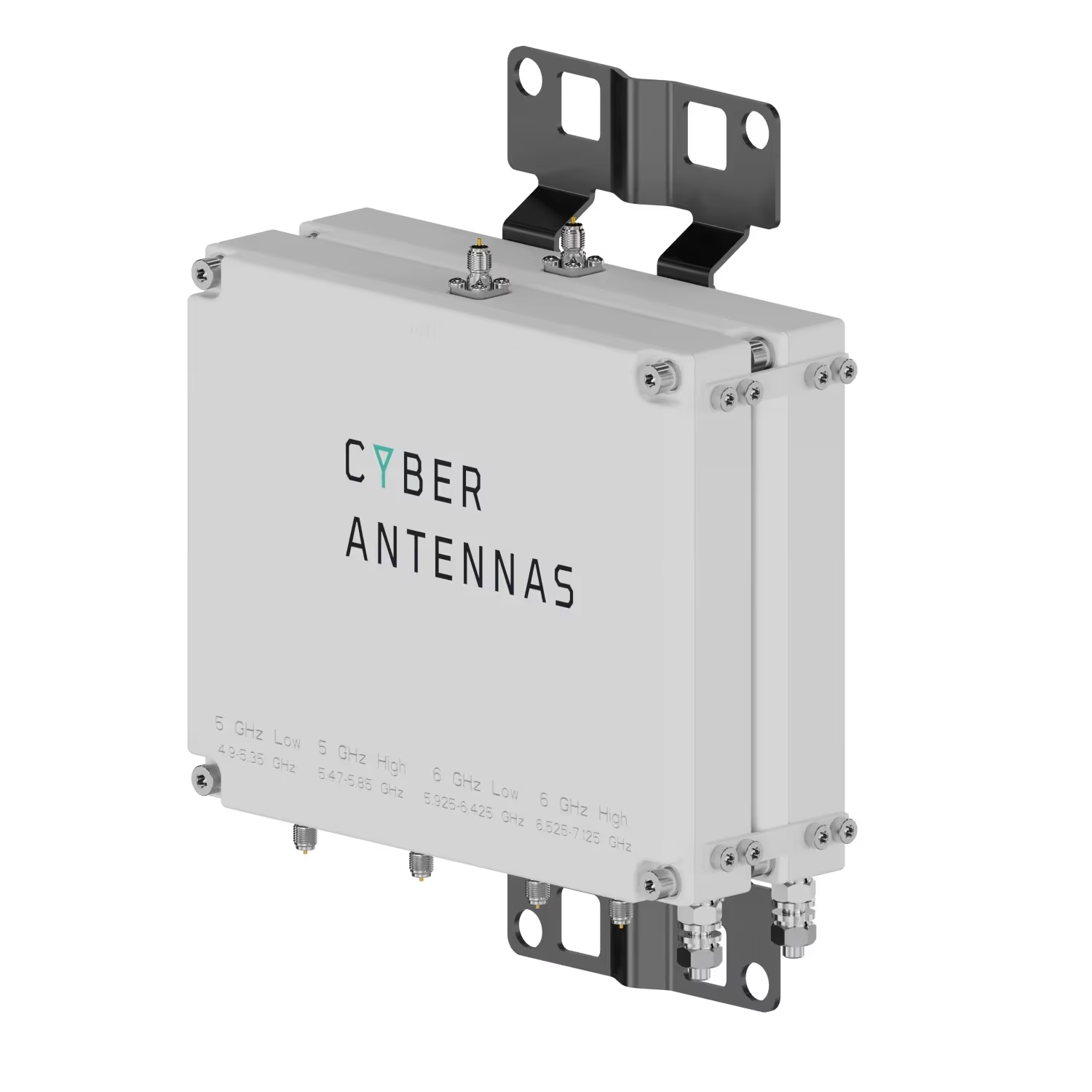
Quadplexer
Combina cuatro bandas de frecuencia (5 GHz baja/alta y 6 GHz baja/alta) en una antena de banda ancha polarizada dual.
$799.00