Overview
Details
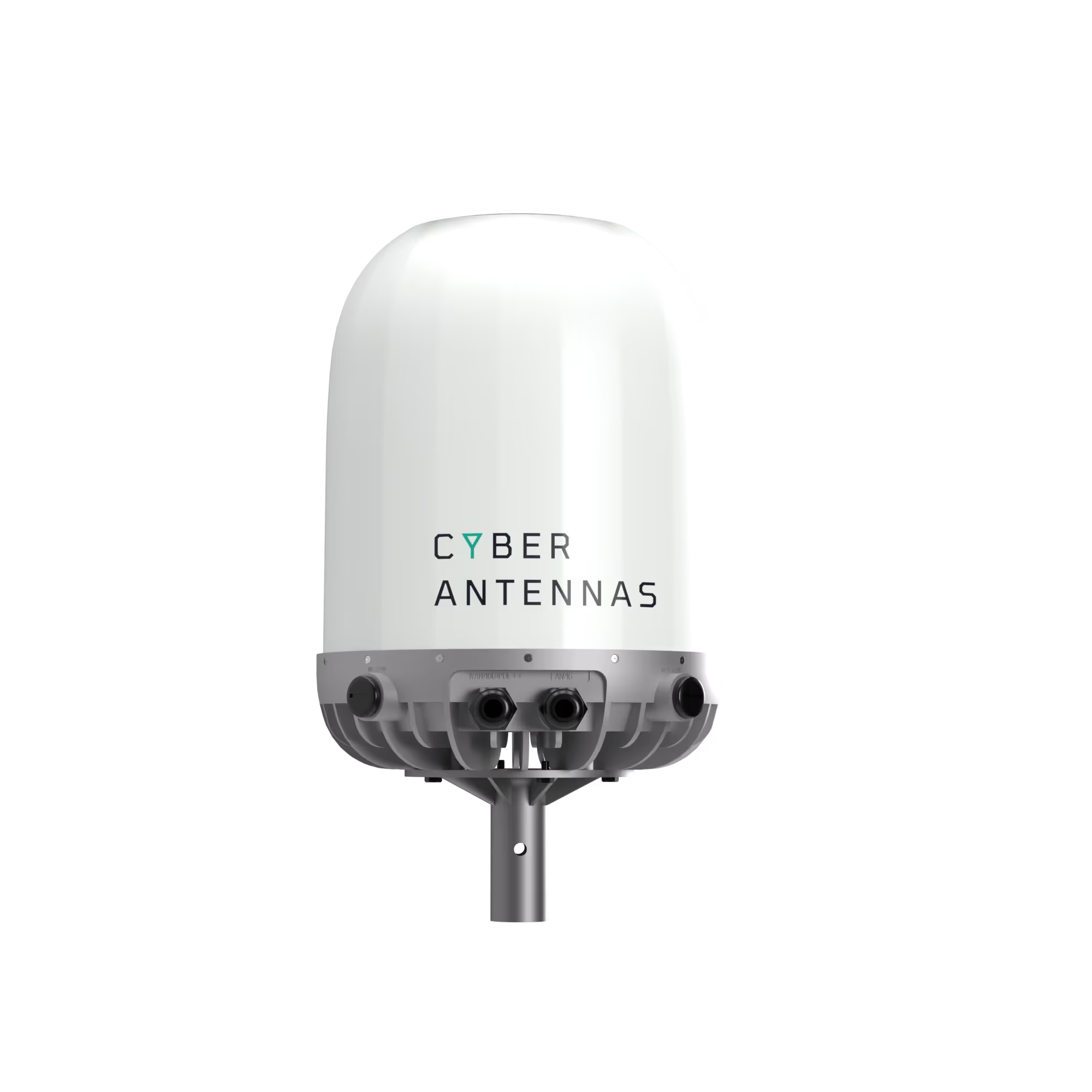
An antenna is one of the most important components in a WISP (Wireless Internet Service Provider) network because it enables wireless transmission of internet signals between towers, access points, and customer locations. It acts as the interface that converts electrical signals into electromagnetic radio waves for transmission and converts incoming radio waves back into electrical signals for reception, allowing internet connectivity to travel through the air instead of physical cables.
In WISP deployments, antennas are essential for delivering broadband connectivity to rural, remote, or hard-to-wire areas where fiber or cable infrastructure may be unavailable or too expensive to deploy. By using wireless links, WISPs can provide internet service across long distances while maintaining flexible and scalable network coverage.
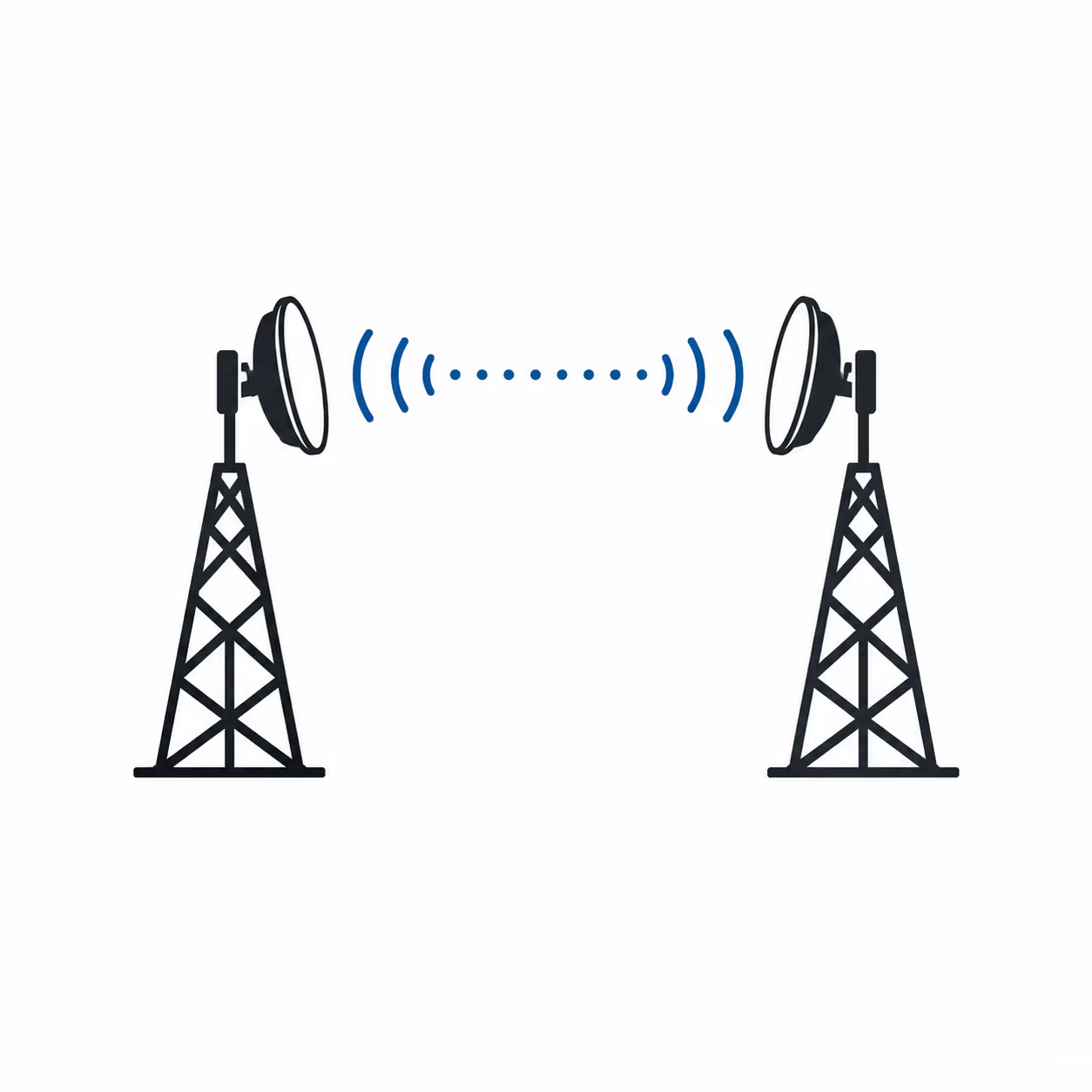
Different antenna types are used depending on the network design and application. Sector antennas are commonly used for Point-to-Multipoint (PtMP) coverage to serve multiple subscribers from a single tower, while directional and parabolic dish antennas are used for long-distance Point-to-Point (PtP) backhaul links because they focus RF energy into narrow, high-gain beams for stronger and more stable connections. Omnidirectional antennas may also be used for short-range or hotspot-style coverage where signals need to be distributed in multiple directions.
Antenna performance in WISP networks is closely tied to frequency, wavelength, and proper alignment. Lower-frequency bands generally provide better range and obstacle penetration, while higher-frequency bands support greater bandwidth and faster data transmission. Proper antenna selection and positioning are critical because they directly affect signal strength, interference management, network reliability, throughput capacity, and the overall quality of internet service delivered to end users.
منتجات ذات صلة
تصفية حسب الوسوم
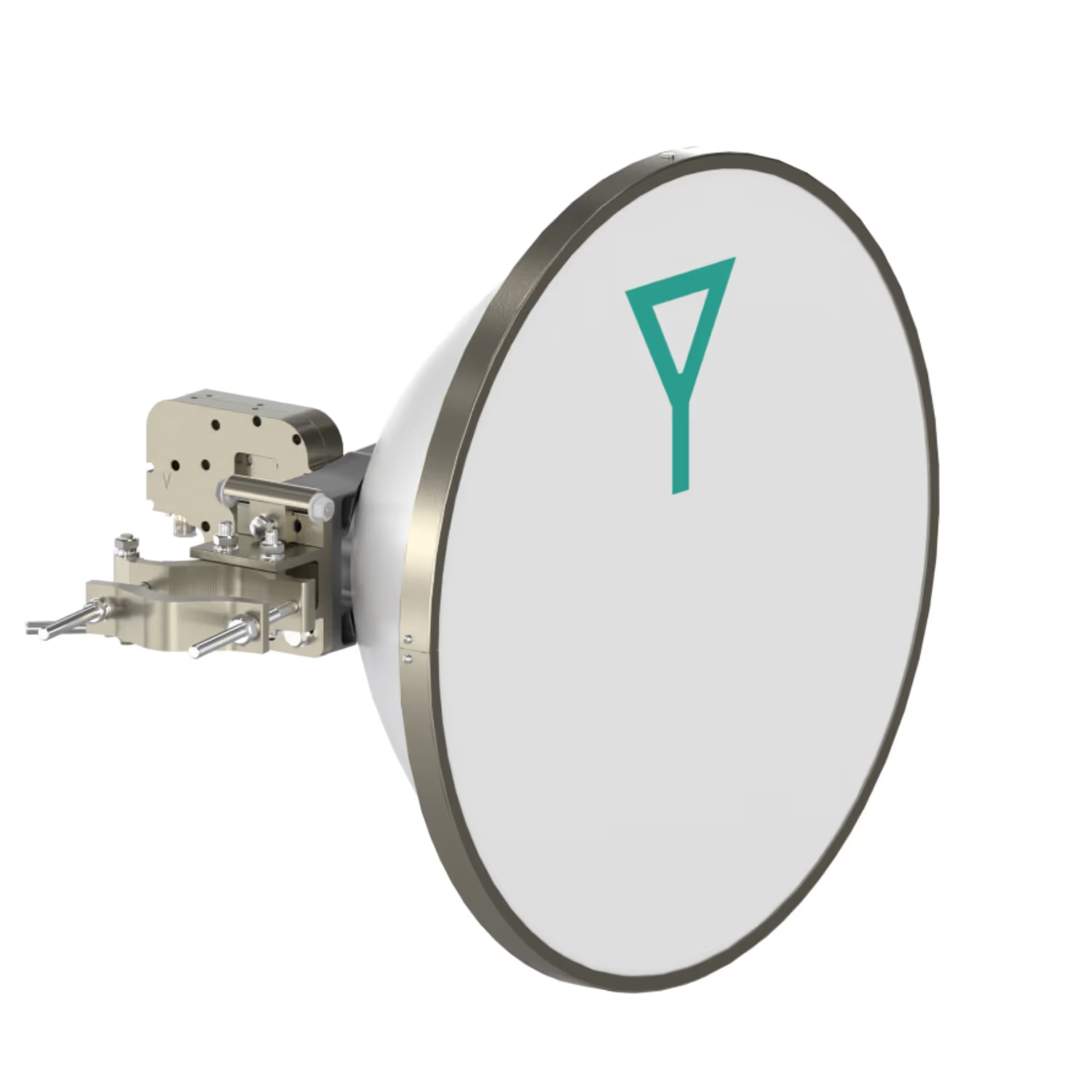
0.6m Dish High Performance
طبق 0.6 متر عالي الأداء هو هوائي نقل ميكروويف عريض النطاق (4.9-7.125 جيجاهرتز) عالي الأداء.
$499.00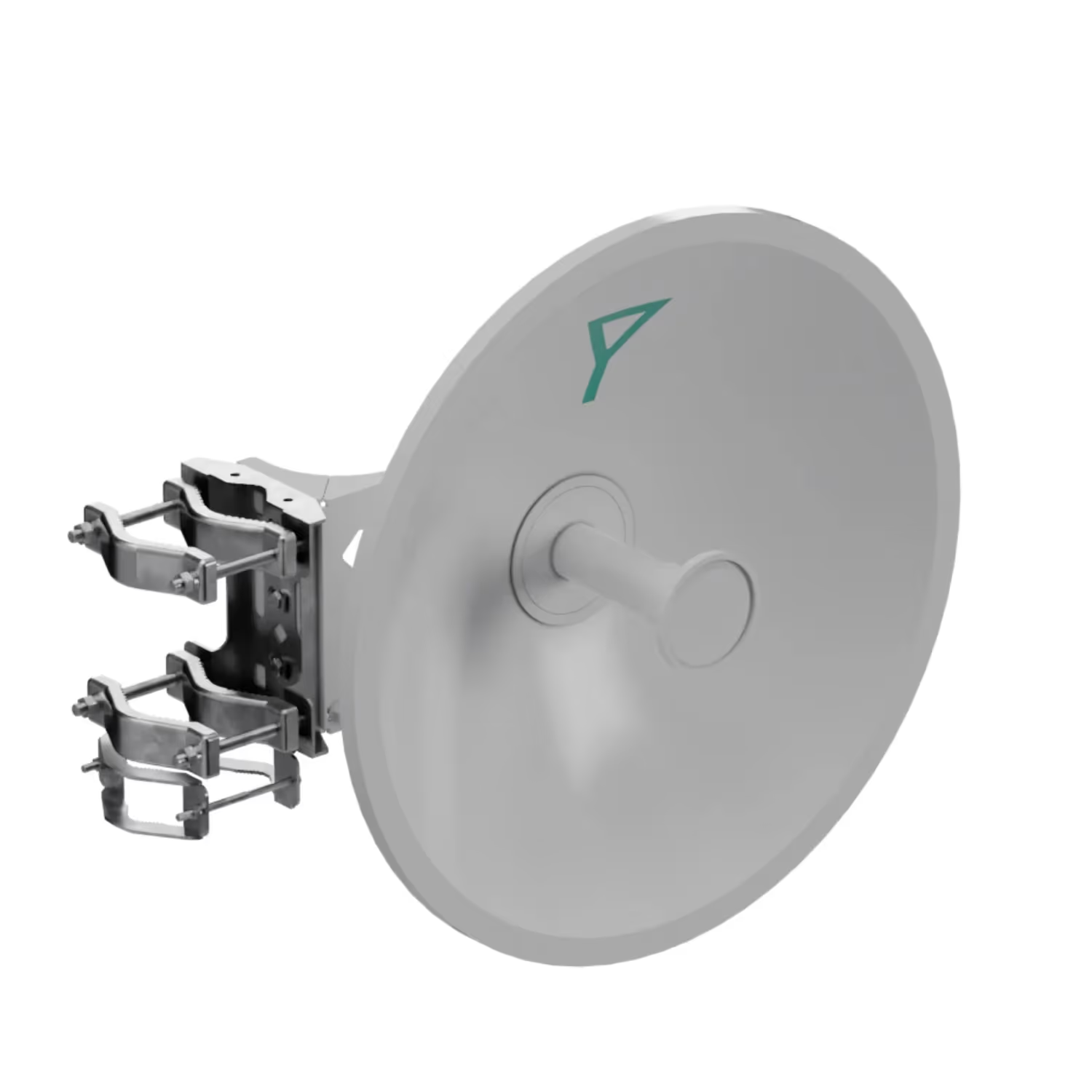
0.6m Dish Mimosa B6x Twist-on 2-pack
صُممت هذه الهوائيات لتوفير شحن بأسعار معقولة وتوصيل مباشر بأجهزة راديو Mimosa B6x وB5x وC6x وC5x، مما يلغي فقدان الإشارة في نطاقات تتراوح من 0 إلى 10 كيلومترات. يشمل السعر كلا الهوائيين.
$398.00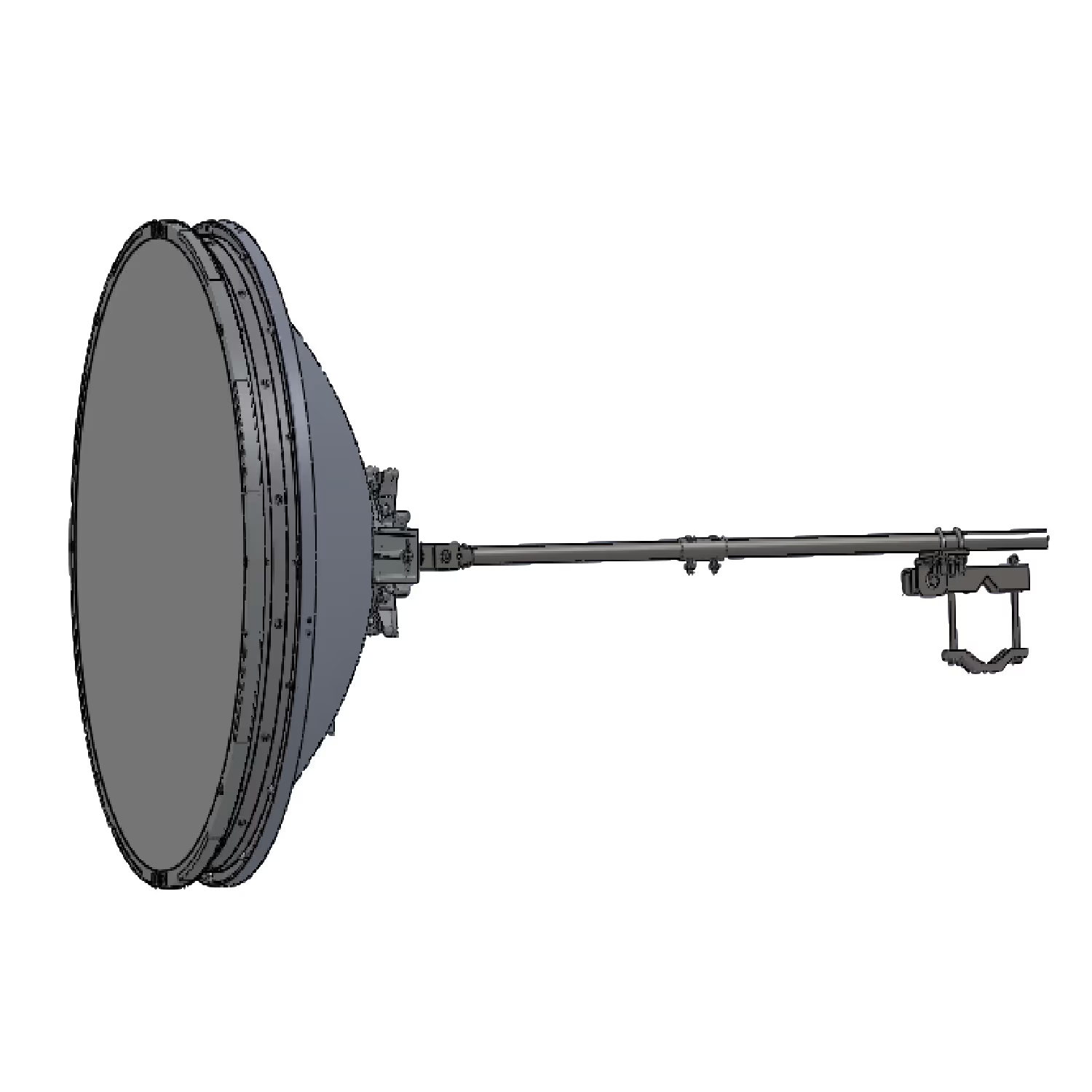
0.9m Dish High Performance
هوائي 0.9 متر عالي الأداء هو هوائي ميكروويف عالي الأداء (HP) واسع النطاق (4.9-7.125 جيجاهرتز) للوصلات اللاسلكية متعددة الجيجابت 10-20 كم.
$899.00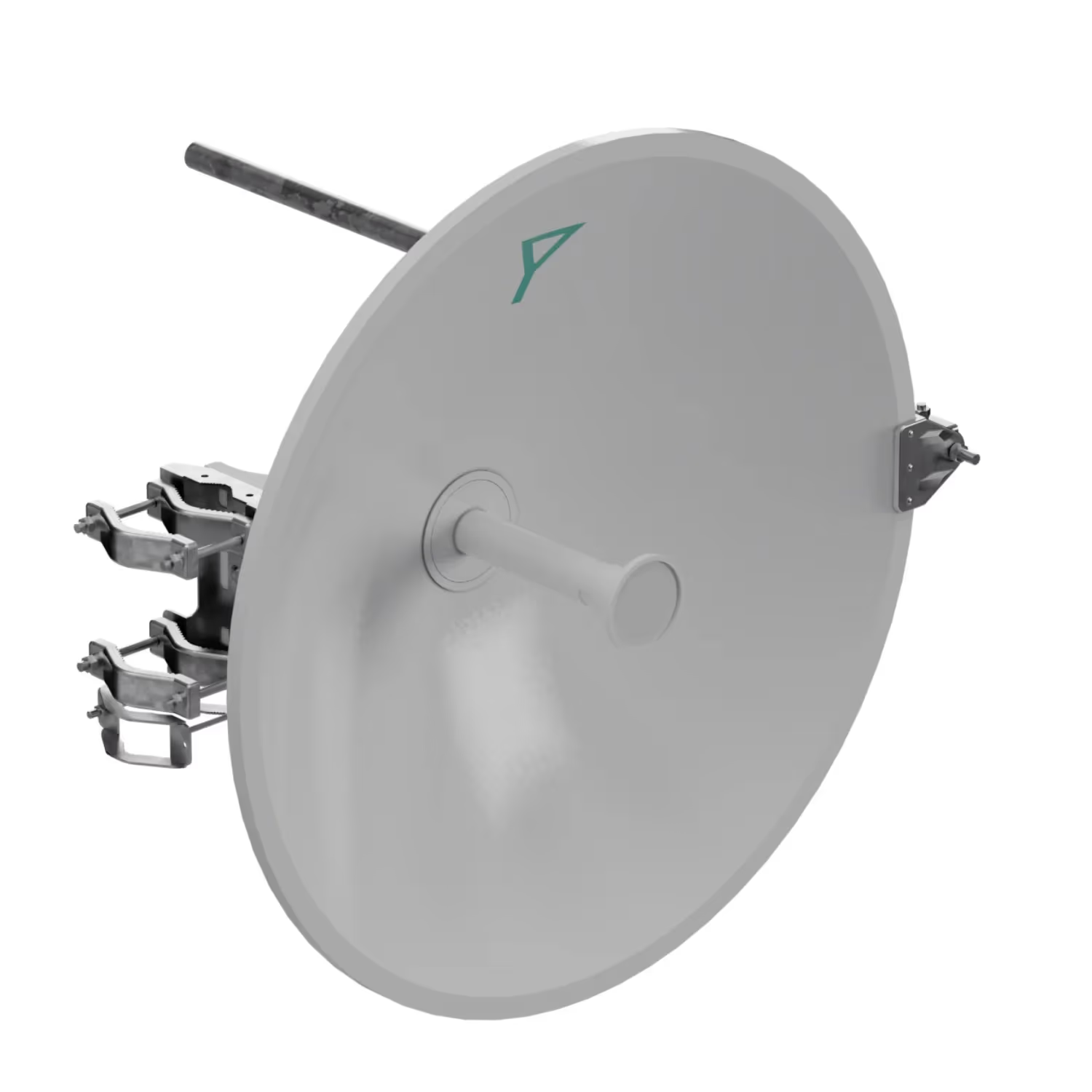
0.9m Dish Mimosa B6x Twist-on 2-pack
صُممت هذه الهوائيات لتوفير تكاليف الشحن والاتصال المباشر بأجهزة راديو Mimosa B6x وB5x وC6x وC5x، مما يقلل من فقد الإشارة في وصلات تتراوح بين 10 و20 كيلومترًا. يشمل السعر كلا الهوائيين.
$798.000.9m Dish RP-SMA 2-pack
هوائيان بقطر 0.9 متر (3 أقدام) بتردد 5 و 6 جيجاهرتز، عبوة ثنائية مصممة لتوفير تكلفة الشحن والاتصال المباشر بأجهزة راديو Ubiquiti و Cambium و Mimosa دون فقدان في الإشارة، لمدى يصل إلى 20-40 كيلومترًا. السعر يشمل الهوائيين. السعر يشمل الهوائيين
$798.00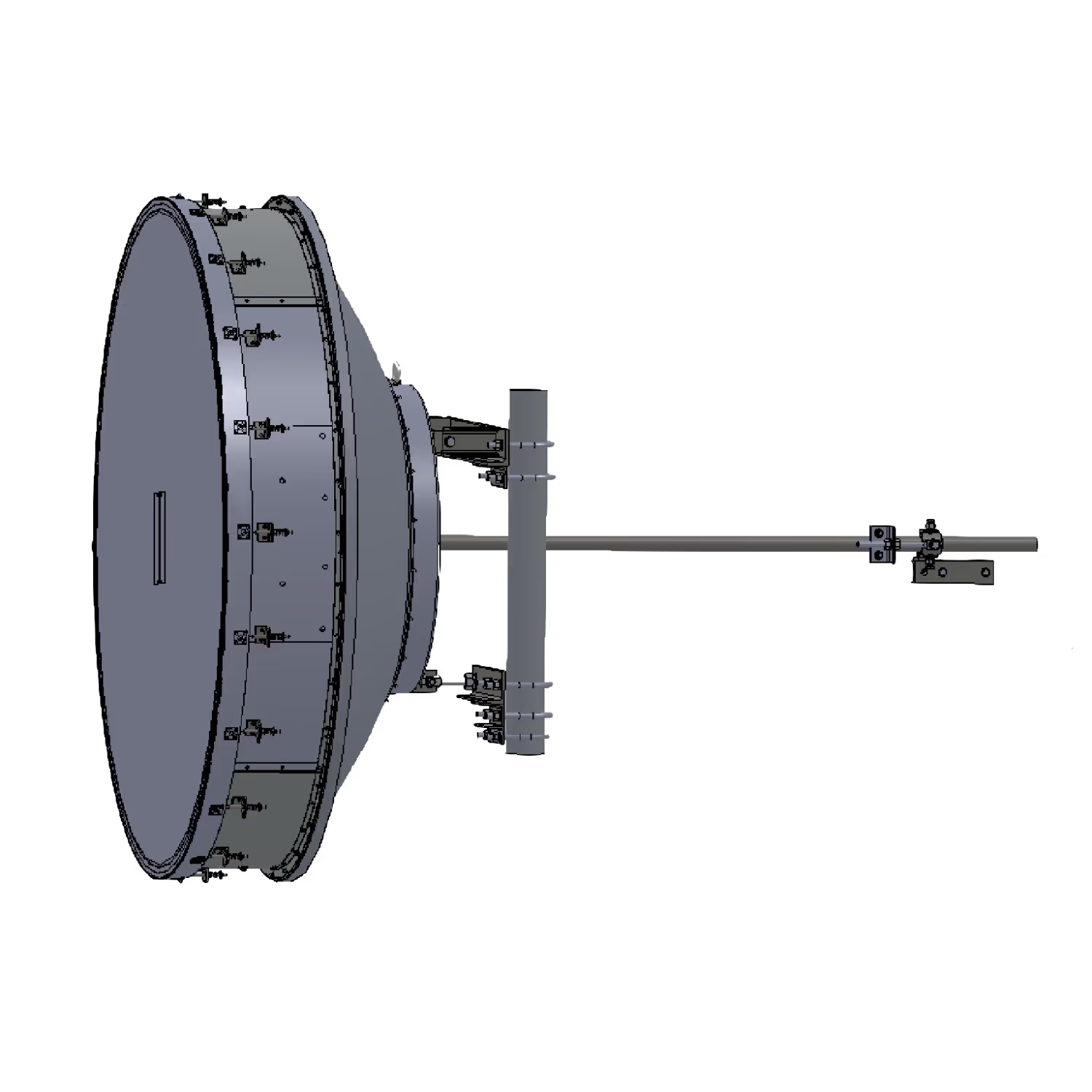
1.2m Dish High Performance
يُعد طبق 1.2 متر عالي الأداء هوائيًا عالي الأداء (HP) واسع النطاق (4.9-7.125 جيجاهرتز) للوصلات اللاسلكية متعددة الجيجابت 20-40 كم.
$1,299.00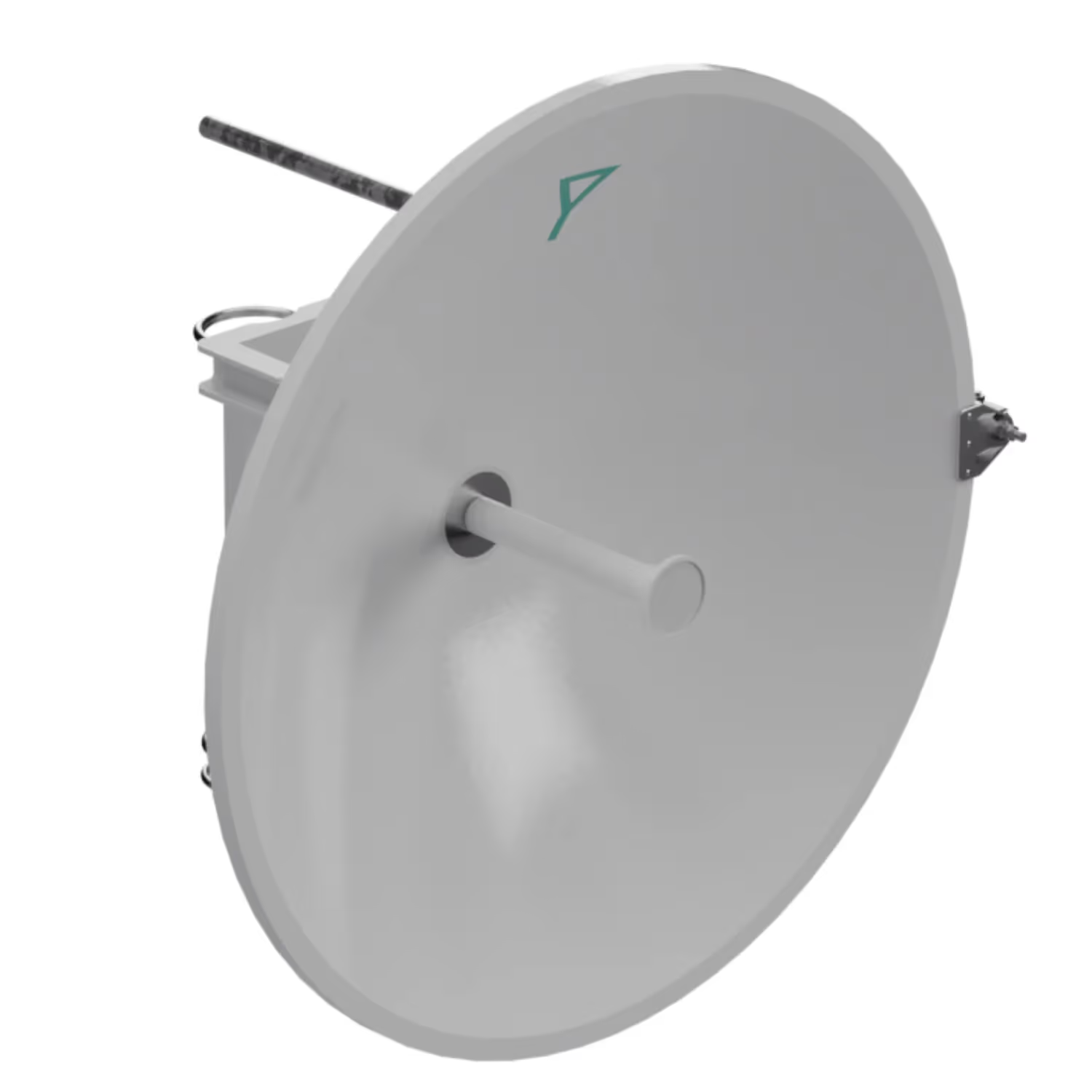
1.2m Dish Mimosa B6x Twist-on 2-pack
صُممت هذه الهوائيات لتوفير تكاليف الشحن، وللاتصال مباشرةً بأجهزة راديو Mimosa B6x/B5x/C6x/C5x دون فقدان الإشارة، وذلك لوصلات تصل إلى 20-40 كم. يشمل السعر كلا الهوائيين.
$998.001.2m Dish RP-SMA 2-pack
هوائيان بقطر 1.2 متر (4 أقدام) بتردد 5 و 6 جيجاهرتز، عبوة ثنائية مصممة لتوفير تكلفة الشحن والاتصال المباشر بأجهزة راديو Ubiquiti و Cambium و Mimosa دون فقدان في التحويل، لمدى يصل إلى 20-40 كيلومترًا. السعر يشمل الهوائيين.
$998.00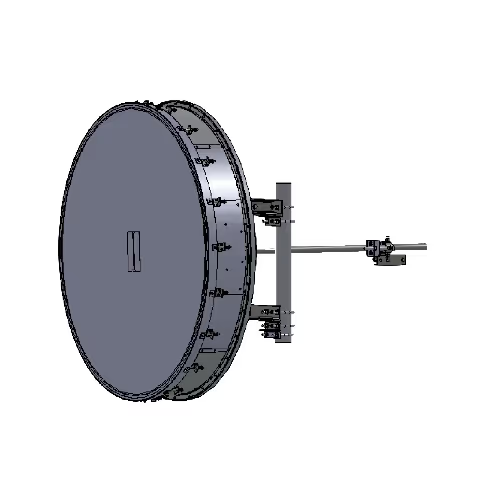
1.8m Dish High Performance
يُعد طبق 1.8 متر عالي الأداء هوائيًا عالي الأداء (HP) واسع النطاق (4.9-7.125 جيجاهرتز) للوصلات اللاسلكية متعددة الجيجابت 40-80 كم.
$2,999.00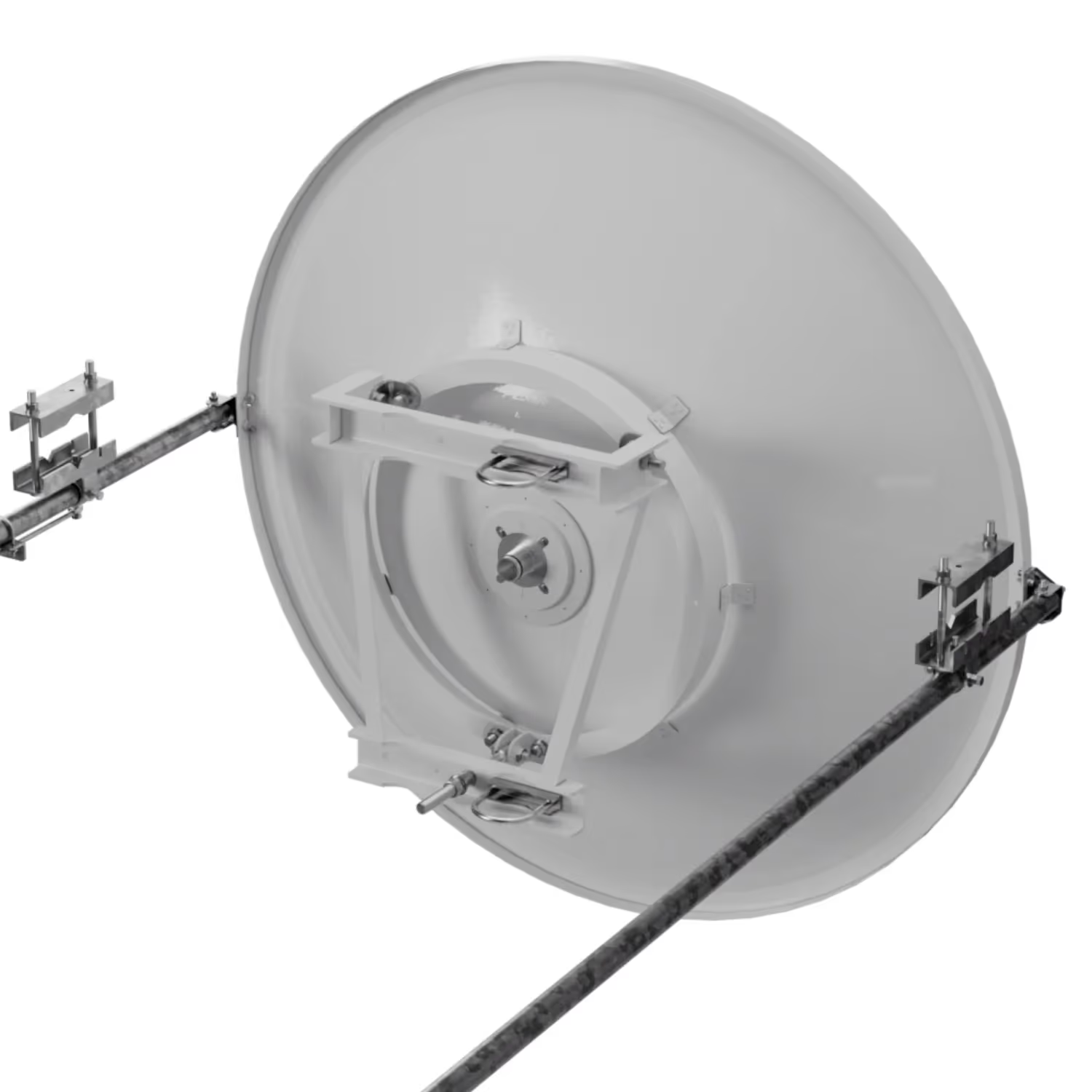
1.8m Dish Mimosa B6x Twist-on 2-pack
صُممت هذه الهوائيات لتوفير شحن اقتصادي وتوصيل مباشر وسلس بأجهزة راديو Mimosa B6x/B5x/C6x/C5x، دون أي فقد في الإشارة للوصلات التي تصل إلى 40-80 كم. يشمل السعر كلا الهوائيين.
$3,998.001.8m Dish RP-SMA 2-pack
صُممت هذه الهوائيات لتوفير شحن اقتصادي وتوصيل مباشر وسلس بأجهزة راديو RP-SMA ثنائية الاتجاه (2x2) لوصلات تصل إلى 40-80 كم. يشمل السعر كلا الهوائيين.
$3,998.00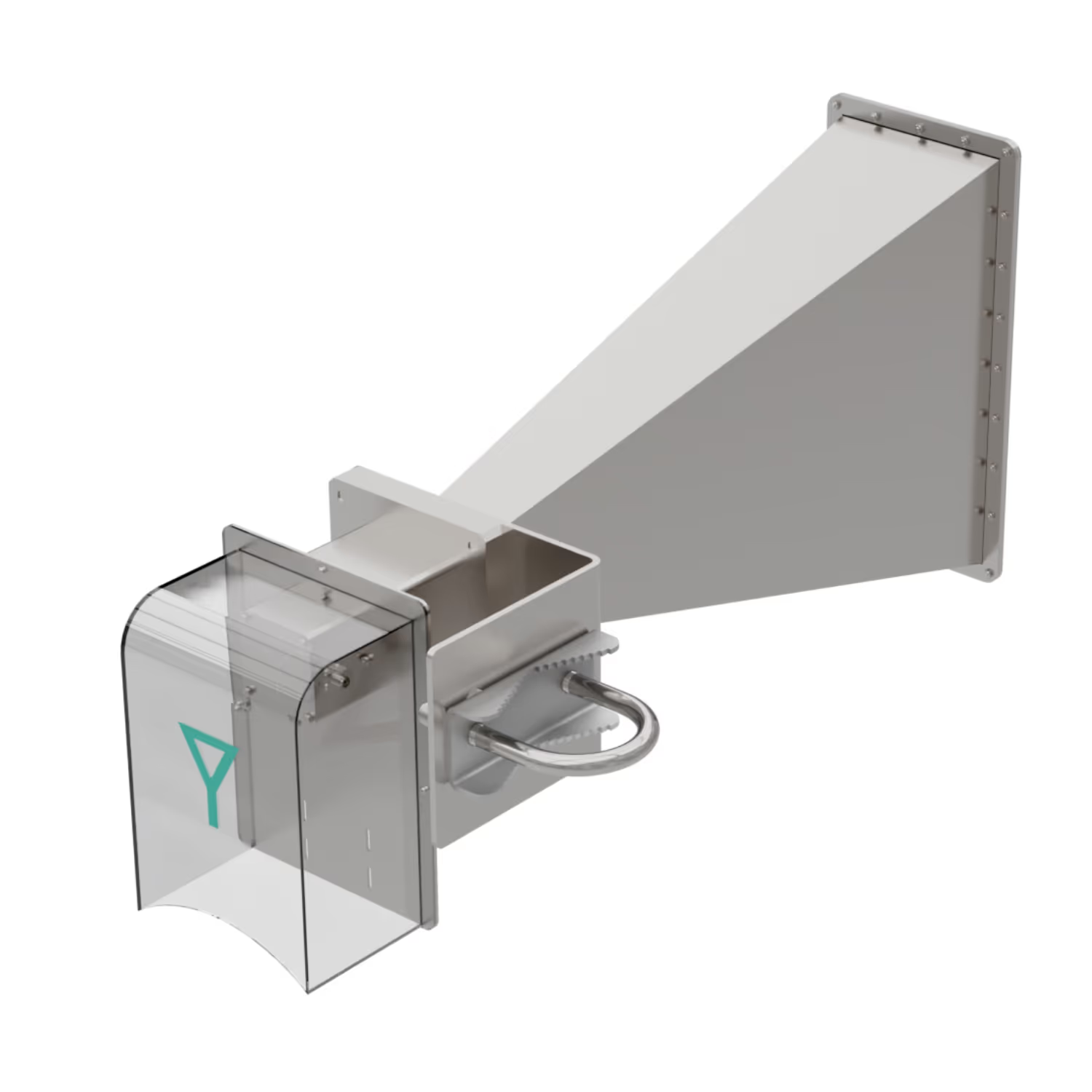
20° Asymmetrical Horn
هوائي بوقي غير متماثل عالي الأداء وخفيف الوزن وشامل بتردد 5 و 6 جيجاهرتز بزاوية 20-30 درجة لتوسيع نطاق شبكات WISP في البيئات الصاخبة.
$299.00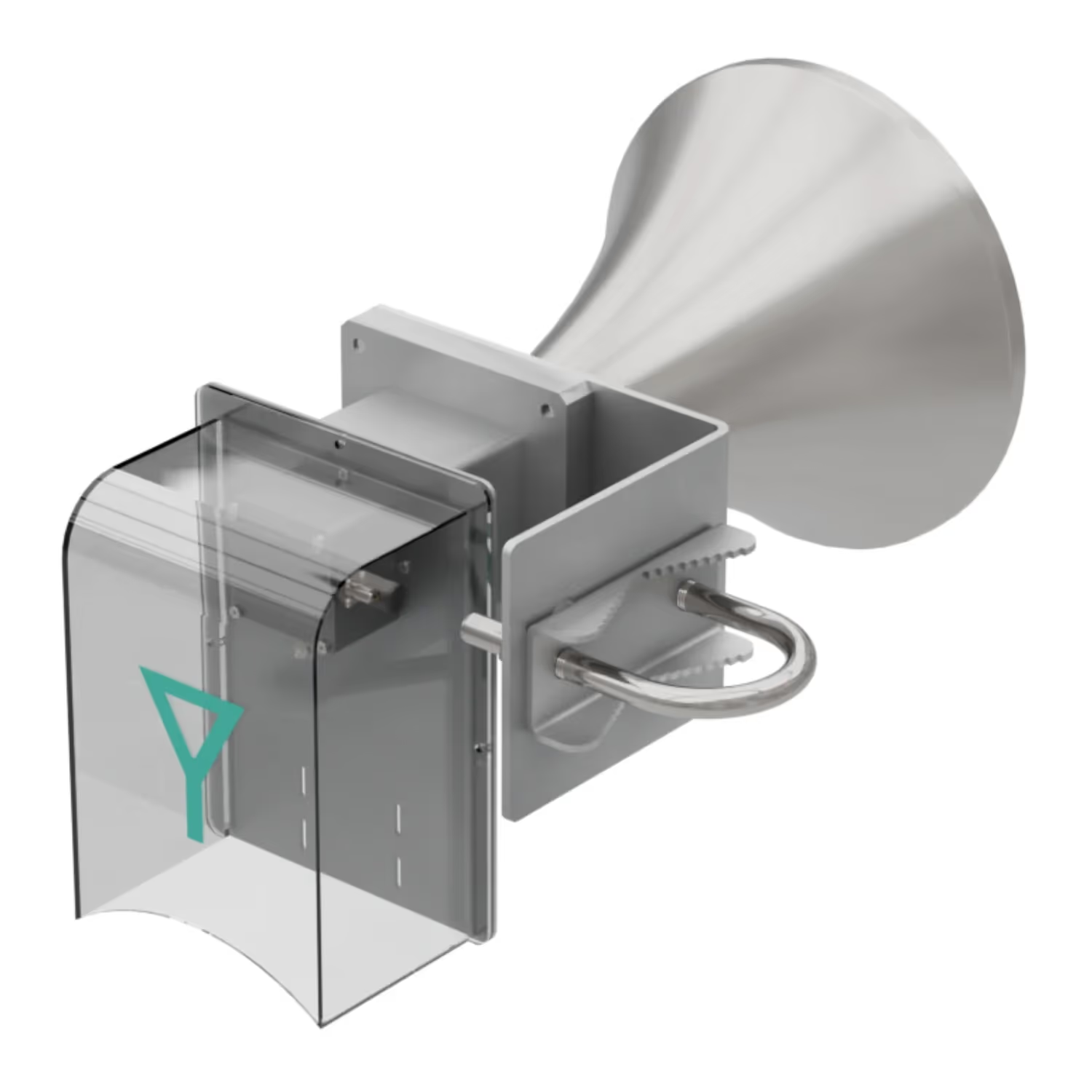
30° Symmetrical Horn
هوائي عالي الأداء وخفيف الوزن وشامل النطاق عريض النطاق 5 و6 جيجاهرتز بزاوية 30 درجة
$279.00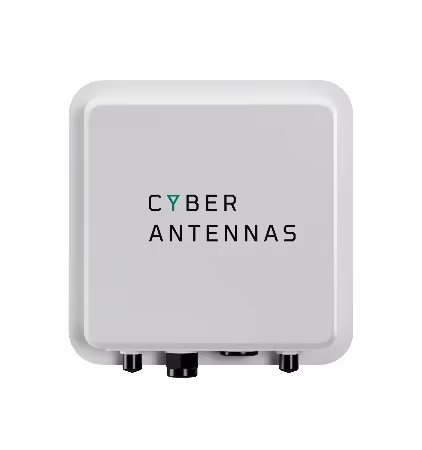
5G FWA CPE
جهاز CPE 5G FWA بعيد المدى هو وحدة راديو خارجية (ODU) مزودة بمودم Quectel RM520N-GL، وهيكل، وهوائي اتجاهي، ولوحة توجيه. يوفر سرعات جيجابت متعددة لا مثيل لها مع هوائيات 4x4 عالية الأداء، ووحدة معالجة مركزية قوية لمعالجة الإشارات. يتضمن مودم PCIe 5G وفتحتين لبطاقة SIM. جاهز لبطاقة SIM مع جهاز لوحي أو باقة بيانات إنترنت الأشياء من مشغل شبكة الجوال 5G المفضل لديك.
$349.00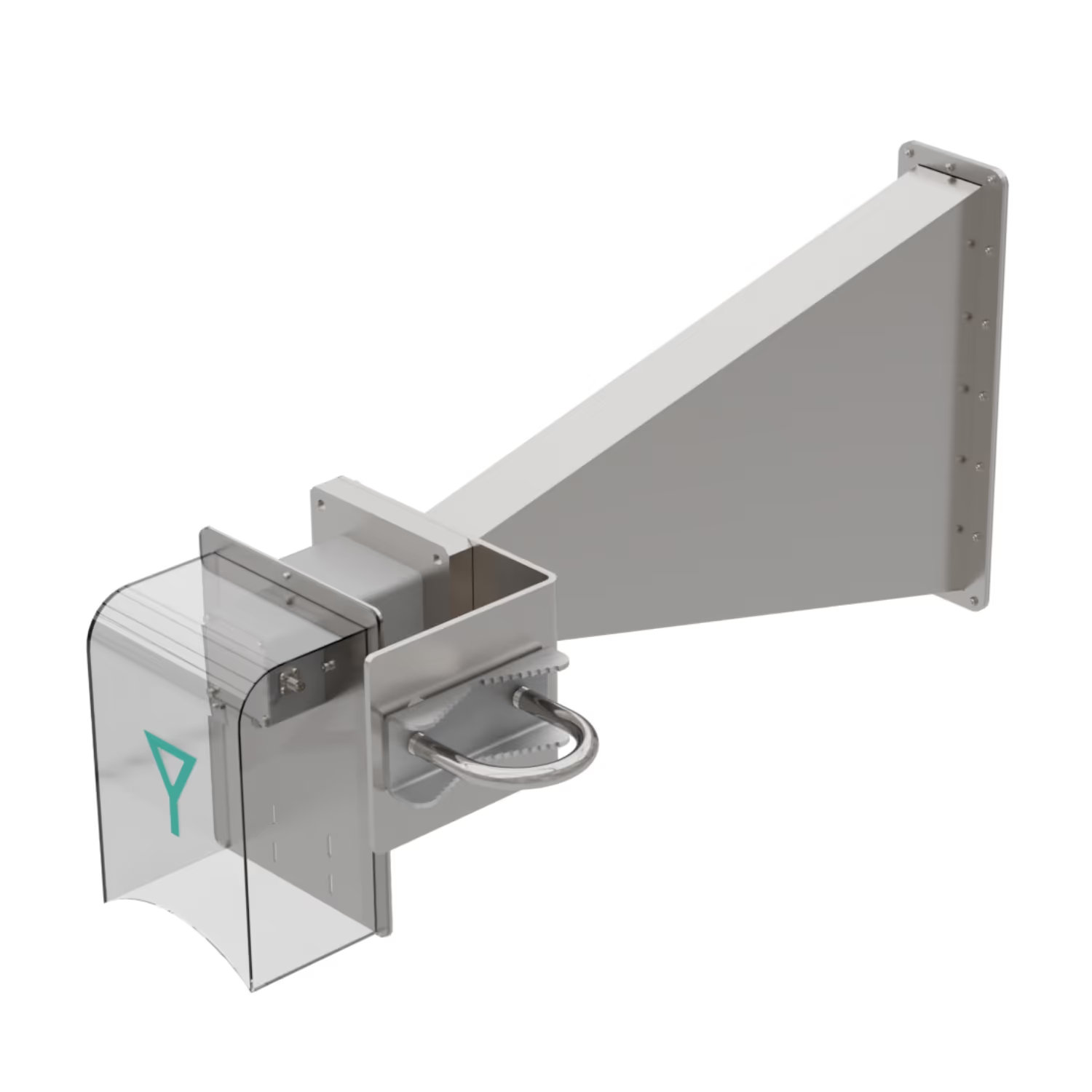
60° Asymmetrical Horn
هوائي عالي الأداء وخفيف الوزن وشامل بزاوية 60 درجة لتوفير تغطية واسعة النطاق 5 و6 جيجاهرتز مع منصة هوائي WISP قابلة للتطوير.
$299.00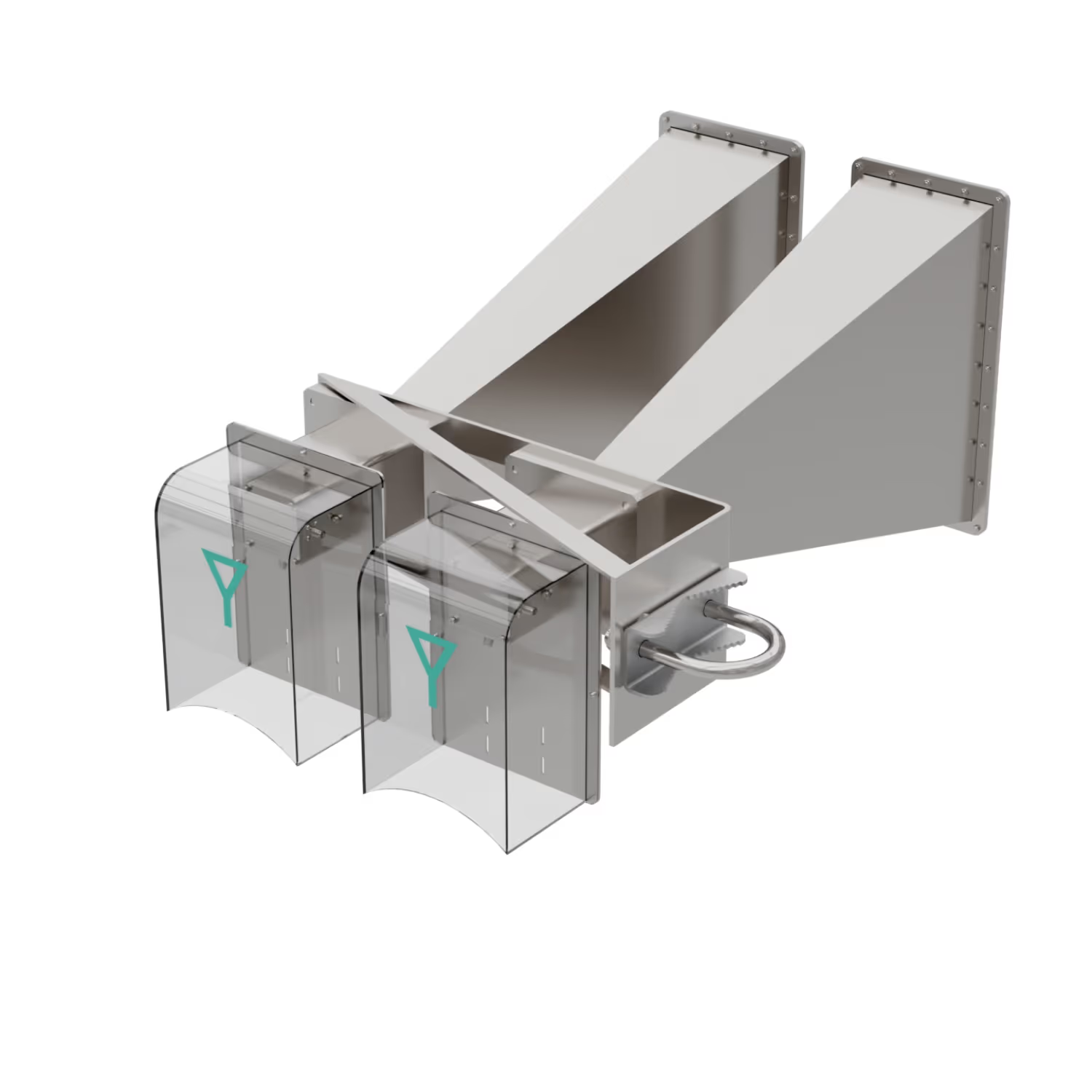
Double 20° Asymmetrical Horn 4x4
هوائي عالي الأداء وخفيف الوزن وشامل بنطاق ترددي 5 و 6 جيجاهرتز مزدوج غير متماثل بزاوية 20-30 درجة 4x4 لتوسيع شبكات WISP في البيئات الصاخبة.
$498.00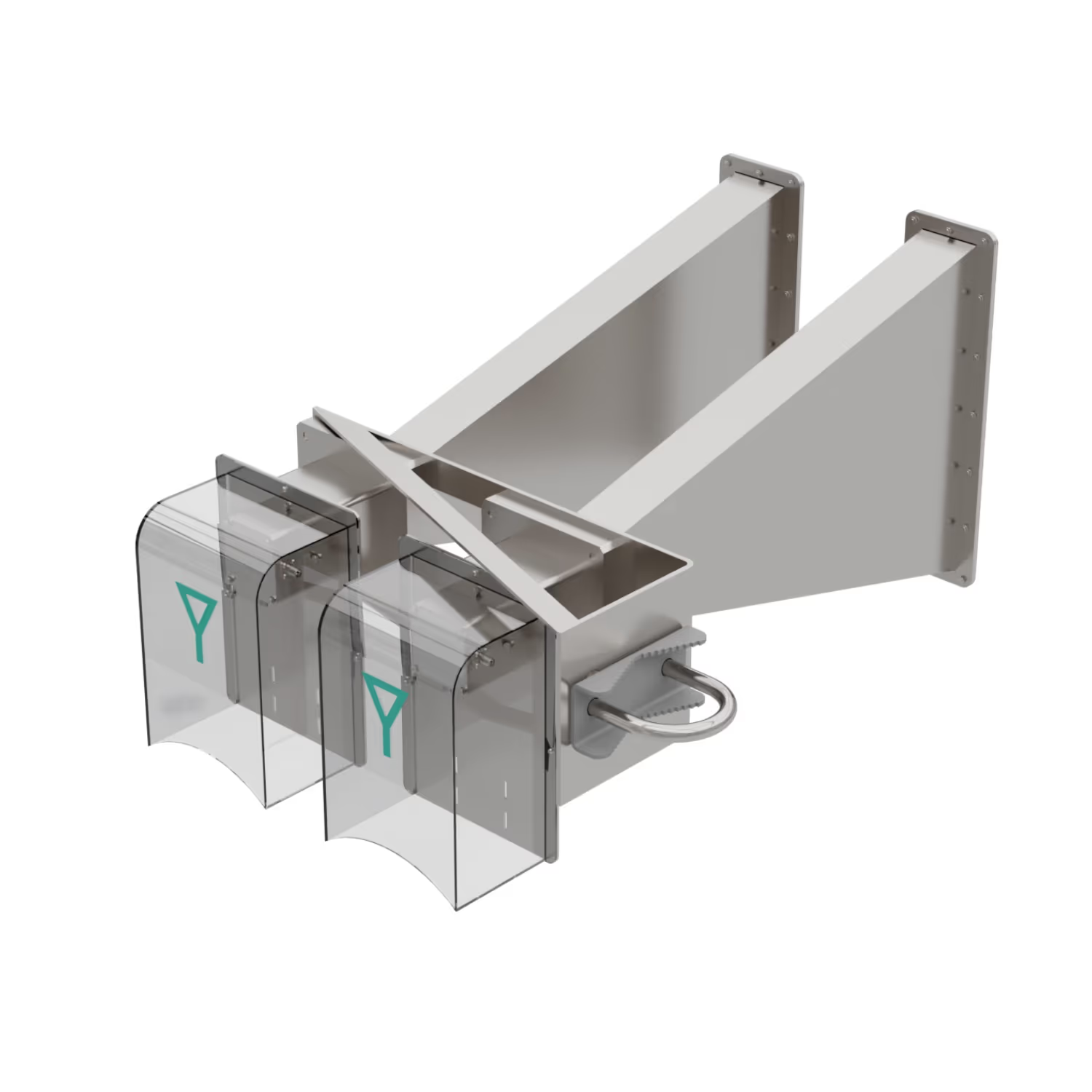
Double Asymmetrical 60° Horn 4x4
هوائي عالي الأداء وخفيف الوزن وشامل، مزدوج غير متماثل بزاوية 60 درجة، 4x4، لتوفير تغطية واسعة النطاق بتردد 5 و 6 جيجاهرتز
$498.00